
What Is the Relationship Between Diet and Mental Health?
Introduction
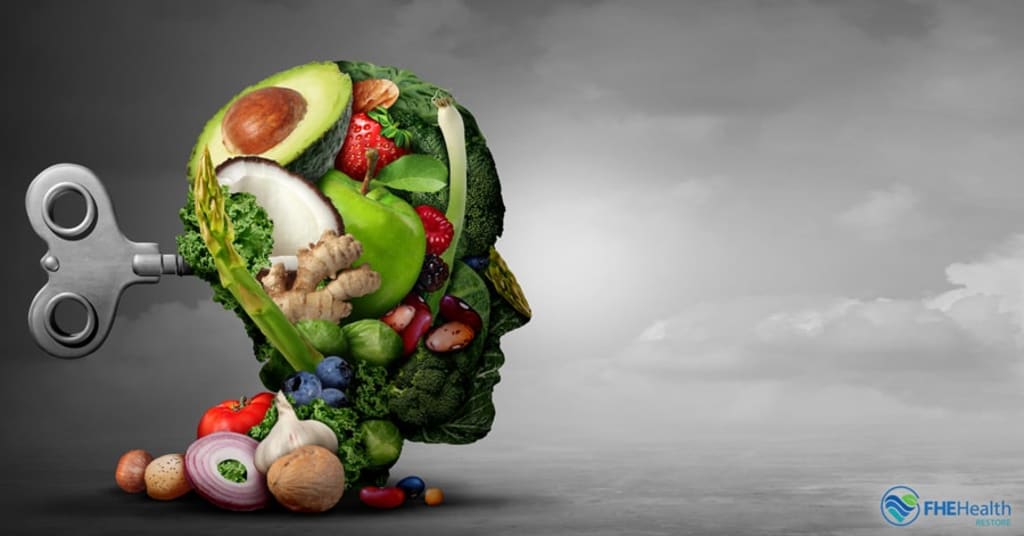
The adage "you are what you eat" is truer than we might appreciate. Not only is nutrition essential for physical wellness, but it plays a key role in mental health as well. In the last several decades, scientists have progressively revealed the profound relationship between diet and mental health, demonstrating that what we eat can affect mood, cognition, and overall psychological function.
While mental health conditions such as depression, anxiety, and stress are multifactorial—shaped by genetics, environment, and lifestyle—diet has emerged as a powerful yet often overlooked factor. Understanding this relationship empowers us to make better nutritional choices that support both brain and emotional health.
The Science Behind Food and the Brain
The brain is the most calorie-hungry organ in the body, using approximately 20% of daily calories. It is largely dependent on nutrients to work effectively. The diet we consume affects:
Neurotransmitter Production
Amino acids, vitamins, and minerals are used as building blocks by neurotransmitters such as serotonin, dopamine, and GABA, which control mood, motivation, and relaxation.
Brain Inflammation
Diets rich in processed foods, sugar, and unhealthy fats can cause inflammation, which is linked to depression and anxiety. In contrast, anti-inflammatory foods such as fruits, vegetables, and omega-3 fatty acids keep brain cells healthy.
Gut-Brain Axis
The gut microbiome releases neurotransmitters and talks to the brain through the vagus nerve. An optimal gut flora ensures improved mood management, while an unbalanced microbiome is connected with stress and depression.
Cognitive Performance
Nutrient-dense diets enhance memory, attention, and problem-solving skills, whereas nutrient deficiencies have adverse effects on cognitive functions.
Nutrients Important to Mental Well-being
Omega-3 Fatty Acids
Contained in fatty fish, walnuts, chia seeds, and flaxseeds.
Import for brain cell structure and function as well as information transmission.
Linked to decreased risk of depression and enhanced mood stability.
B Vitamins
Particularly B6, B12, and folate.
Involved in the synthesis of neurotransmitters and energy metabolism.
Deficiency leads to fatigue, depression, and irritability.
Vitamin D
Derived from sunlight, fortified foods, and supplements.
Involved in regulation of serotonin.
Low levels associated with seasonal affective disorder (SAD) and depression.
Magnesium
Present in nuts, seeds, leafy greens, and whole grains.
Assists with regulating stress hormones and calming the nervous system.
Deficiency linked with anxiety and insomnia.
Zinc
Present in pumpkin seeds, legumes, and shellfish.
Aids brain plasticity and mood control.
Antioxidants (Vitamin C, E, Polyphenols)
Present in berries, dark chocolate, green tea, and brightly colored vegetables.
Guard brain cells against oxidative stress and enhance resilience.
Diet Patterns and Mental Health
Mediterranean Diet
High in fruits, vegetables, whole grain foods, fish, olive oil, and nuts.
There is strong evidence that it is associated with reduced depression and cognitive impairment risk.
Western Diet
High in processed foods, added sugars, refined grains, and saturated fats.
Linked with increased rates of anxiety, depression, and ADHD.
Plant-Based Diets
Large quantity of vegetables, legumes, and whole grains.
Offer antioxidants and fiber to the gut, but need to balance with enough B12, iron, and omega-3.
Traditional Diets
Diet cultures with a foundation of whole, unprocessed foods (Japanese or Nordic diets) have a lower incidence of mood disorders.
How Diet Influences Specific Mental Disorders
Depression
Research indicates that individuals with diets rich in sugar, refined carbohydrates, and fried foods are at higher risk for depression.
Omega-3 fatty acids and folate-containing foods alleviate depressive symptoms.
Anxiety
Too much caffeine, alcohol, and sugar exacerbate anxiety.
Magnesium, probiotics, and antioxidant-rich diets induce calmness.
Stress
Chronic stress drains B vitamins and magnesium.
Diet rich in nutrients restores balance and enhances resilience to stress.
ADHD
Processed meals, artificial ingredients, and excessive sugar may exacerbate symptoms.
Omega-3 diets, whole grains, and lean proteins enhance attention and concentration.
Cognitive Decline and Dementia
Diet high in antioxidants and omega-3s slows cognitive decline.
MIND diet (Mediterranean-DASH Intervention for Neurodegenerative Delay) demonstrates protective benefit against Alzheimer's disease.
The Gut-Brain Connection
The gut is commonly referred to as the "second brain" due to its impact on mental well-being. Some of the important insights are:
Gut Microbiome and Mood: Serotonin and dopamine are generated by healthy gut bacteria.
Probiotics and Prebiotics: Yogurt, kefir, sauerkraut, kimchi, garlic, and onions enhance gut health and mental resilience.
Leaky Gut Syndrome: Destructive eating habits compromise the lining of the intestines, permitting toxins to flood into the bloodstream and trigger inflammation and mood disorders.
Obstacles to a Healthy Diet for Mental Health
Financial Constraints: Healthy foods can cost more than processed foods.
Unawareness: Lots of people are unaware of the part diet plays in mental health.
Emotional Eating: Depression and stress lead to reaching for unhealthy comfort foods.
Cultural Factors: Some cultures have eating habits of too much fried or sugar foods.
Strengthening Diet for Good Mental Health
Eat More Whole Foods: Eat fresh fruits, vegetables, legumes, nuts, and whole grains.
Stay Hydrated: Dehydration worsens mood and energy.
Cut Down on Sugar and Processed Foods: Use natural sweeteners and unprocessed snacks.
Add Healthy Fats: Avocados, olive oil, and fatty fish feed the brain.
Support Gut Health: Add probiotics and fiber foods every day.
Practice Mindful Eating: Be aware of hunger and emotional overeating.
Consult a Professional: A registered dietitian or mental health professional can develop an individualized eating plan.
Case Example
Anita, a teacher aged 40, was plagued by tiredness, low mood, and persistent worry. Her diet was dominated by processed foods, sugar drinks, and fast foods as a result of her hectic schedule. On the advice of a nutritionist, she changed to a Mediterranean-style diet that contained plenty of vegetables, fish, nuts, and yogurt. Within three months, Anita felt more energetic, more relaxed, and better equipped to handle everyday stress.
This demonstrates how changes to diet can be used in addition to therapy and greatly enhance mental health.
Final Thoughts
Diet is not an instant answer to mental illness, but it is essential in prevention and recuperation. As with unsound nutrition making one more susceptible to anxiety and depression, sound nutrition creates resilience, elevates mood, and boosts mental functioning.
By making mindful food choices, supporting gut health, and ensuring adequate intake of essential nutrients, individuals can take meaningful steps toward better mental health. When combined with therapy, exercise, and social support, diet becomes a powerful tool for overall well-being.
For professional guidance and holistic mental health care, visit:
About the Creator
Keep reading
More stories from Naveen Garg and writers in Education and other communities.
How Does Stress Affect Mental Health?
Introduction Stress is unavoidable. From job deadlines and financial worries to relationship issues and health concerns, stress affects everybody in some way or another. In moderation, even stress can be beneficial—it motivates us, clears our heads, and challenges us to respond. But when stress becomes chronic, overwhelming, or unrelenting, its effect on mental health can be devastating.
By Naveen Garg5 months ago in Education
Why UMPCO Fasteners Still Solve Critical Aerospace Problems Today
When I started researching legacy aerospace fastener manufacturers, I wasn’t just looking for brand names—I was looking for solutions to real aviation problems. Structural failure, vibration fatigue, corrosion at altitude, and long-term reliability are challenges that every aerospace engineer eventually faces. One name that repeatedly surfaced in technical documentation and historical aerospace supply chains was UMPCO fasteners.
By Beckett Dowhan6 days ago in Education



Comments
There are no comments for this story
Be the first to respond and start the conversation.