
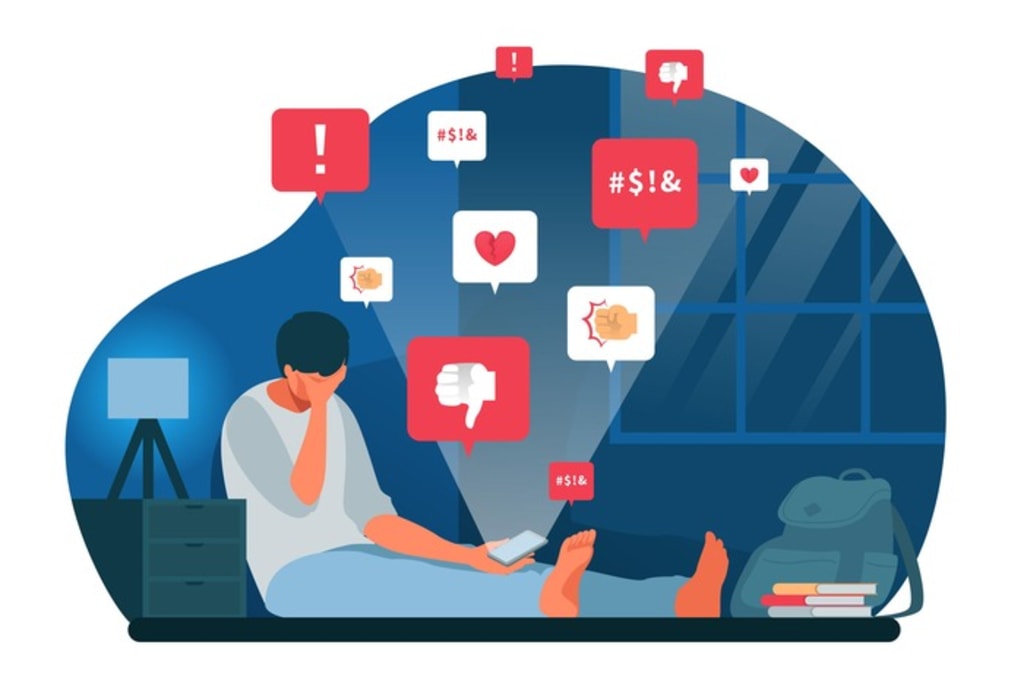
Social media has become the integral part of modern life. Facebook, Instagram, X (then Twitter), TikTok, and LinkedIn are but some of the sites to reach billions of people all over the world, opening doors to converse with each other, exchange experiences, and learn. As its role expanded, so has the worry about its influence on mental health.
For some individuals, social media is a source of information, entertainment, and connections. However, for others, it can contribute to stress, depression, low self-esteem, and anxiety as a result of overuse. The relationship between social media and mental health is complex and determined by the reasons why, how, and how often one uses these technologies. Understanding both the positive and negative effects allows us to create healthier digital habits and maintain our mental well-being.
Positive Influence of Social Media on Mental Health
Social Connection
Social media allows a person to stay in touch with friends, relatives, and communities globally.
For lonely people (e.g., the elderly or living in isolated areas), social media can reduce feelings of loneliness.
Emotional Support
Internet communities and support groups serve as refuges to report troubles and obtain encouragement.
For people who are dealing with mental illness, some healing and validation can come from sharing one's experience with others who have experienced it.
Education and Awareness
Mental health facts are posted on social media, de-stigmatizing and encouraging people to seek help.
Influencers and campaigns are more likely to encourage resources, which can result in improved coping strategies.
Chances for Self-Expression
Spaces give a person a voice for expressing personal experience, expression, and advocacy.
This can build confidence, formation of identity, and resilience.
Access to Expert Advice
Therapists, psychologists, and clinics usually use social media sites to advertise tips, workshops, and services.
This makes mental health care more accessible avenues.
Negative Effects of Social Media on Mental Health
Social Comparison
Cumulative exposure to photo-altered perceptions of "perfect lives" can create unhealthy comparisons.
Studies link this to low self-esteem, dissatisfaction with one's body, and depression symptoms.
Fear of Missing Out (FOMO)
Observing others being involved in social interactions can make one feel excluded, increasing anxiety and loneliness.
Cyberbullying and Harassment
It affects children, adolescents, and adults.
Victims usually experience depression, withdrawal, and suicidal ideation in severe instances.
Addiction and Overuse
Social media platforms are designed to be fascinating and addictive in nature.
Excessive screen time can disrupt sleep, reduce productivity, and increase stress.
Misinformation
False or unsubstantiated information can quickly be spread and lead to confusion, distress, and unsafe behavior.
Reduced Face-to-Face Contact
Excessive use of the internet can replace face-to-face relationships, emotionally alienating individuals.
Impact on Specific Age Groups
Teenagers and Young Adults
These are most vulnerable to social comparison, cyberbullying, and dissatisfaction with their bodies.
Heavy usage has been linked to anxiety, depression, and trouble in school.
Adults
Adults typically experience stress from "information overload" as well as from the management of online selves.
Professional networking platforms can amplify work-related stress.
Older Adults
While less active overall, older adults enjoy social interaction but may be perplexed by technology stress or misinformation.
The Role of Algorithms and Design
Social media platforms are structured to yield maximum interaction based on algorithms that:
Show content aimed at user interest.
Encourage swiping through "endless feeds."
Send notifications to lure users back onto the app.
While this personalization engages users, it can also trap them in comparison cycles, outrage cycles, or misinformation cycles—negatively impacting mental health.
Research Evidence
Research evidence indicates that over 3 hours of daily social media use increases the risk of mental health issues among adolescents.
In a study conducted in 2022, those who went on a social media break for a week improved their mood substantially and reported feeling less anxious.
Another study showed that active engagement (commenting, sharing, interacting) would improve well-being, but passive scrolling would reduce it.
Healthy Social Media Strategies
Set Time Limits
Use screen-time tracking and limiting software.
Take "social media detox" days.
Curate Your Feed
Follow accounts that encourage, educate, or inspire.
Unfollow or mute sources of criticism or comparison.
Engage Actively, Not Passively
Instead of mindless scrolling, use sites to actively interact with friends and communities.
Prioritize Real-Life Interactions
Balance online connections with offline activities and face-to-face conversations.
Protect Your Sleep
Avoid screens at least one hour before bedtime.
Blue light and stimulating content disrupt rest.
Be Critical of Content
Verify information before accepting it as true.
Recognize that most people share highlights, not their struggles.
Seek Professional Help if Needed
If social media use is causing distress, therapy can help create healthier boundaries.
Case Example
Ravi was a 19-year-old student who spent 6–7 hours on social media every day. He kept comparing himself with influencers and his peers and felt inferior and anxious. After one session of therapy, he set time limitations for daily usage, stopped following people who made him feel sad, and joined an online supportive mental health community. In months, Ravi felt improved mood, increased focus on studies, and higher self-worth.
This case shows that intentional use—not complete avoidance—can rewire the power of social media.
Final Thoughts
Social media isn't good or bad for mental health—it depends on how we use it. On the positive side, it offers connection, learning, and support. Yet its overuse or misuse fuels anxiety, depression, and self-doubt. By establishing limits, curating content, and balancing time online with time offline, we can harness its benefits without jeopardizing mental health.
At the end of the day, consciousness and careful habits are essential. Social media must be a means to growth and relationships, not anxiety.
For expert mental health guidance, visit:
About the Creator
Keep reading
More stories from Naveen Garg and writers in Education and other communities.
How Can Stress Management Improve Mental Well-being?
Introduction Stress is inevitable. Whether it is job pressure, academic pressures, financial troubles, or relationship issues, stress reaches everyone at some point or another. While short-term stress will sometimes motivate us to perform more effectively, chronic stress can result in heavy harm to the body and mind.
By Naveen Garg5 months ago in Education
Turning a History Lesson Into an Escape Room Game
History is often taught through lectures, textbooks, and timelines — methods that can feel dry and distant. But what if students could experience history instead of just reading about it? One of the most engaging ways to do this is by transforming a history lesson into an escape room game. This interactive approach combines problem-solving, teamwork, and storytelling to make history memorable and exciting.
By Games Mode Onabout 13 hours ago in Education
What to Eat (And Avoid) During Colon Cancer Treatment: A Nutritionist-Approved Guide
When undergoing colon cancer treatment, your diet is more important than ever. The right nutrition can support your immune system, reduce side effects, and even enhance the effectiveness of treatments like chemotherapy and radiation. But knowing what to eat and what to avoid can be overwhelming.
By Erika Phillips 7 days ago in Education



Comments
There are no comments for this story
Be the first to respond and start the conversation.