Mohammed thanvir
Bio
Stories (103)
Filter by community
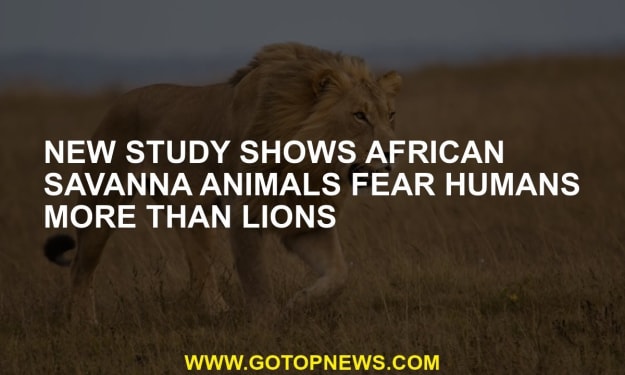
Wildlife in Africa's Savanna Fears Humans More Than Lions
The African savanna, one of the world’s most iconic and biodiverse ecosystems, is often imagined as a vast expanse where wild animals roam freely and lions reign supreme as top predators. However, a recent groundbreaking study reveals an unexpected truth about how wildlife perceives threats: many animals in the African savanna fear humans even more than they fear their natural predators, including lions. This finding sheds light on the profound impact of human presence on wildlife behavior and survival, altering longstanding perceptions of the African ecosystem and highlighting the urgent need for conservation measures.
By Mohammed thanvirabout a year ago in Earth
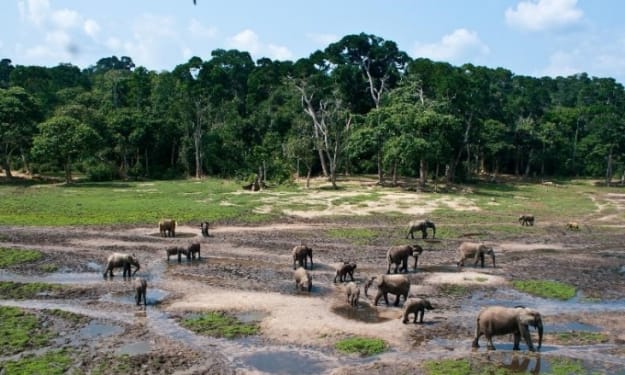
India's unique animals
India is renowned for its rich biodiversity, with a unique geographical and ecological landscape that has fostered the evolution of a variety of endemic species. From the dense rainforests of the Western Ghats to the towering heights of the Himalayas and the sprawling deserts of Rajasthan, India is home to several animals that are found nowhere else in the world. This biodiversity has been recognized globally, with India being one of the 17 "megadiverse" countries that together host the majority of Earth's species. Here’s a look at some of the most fascinating animals that are native only to India, many of which are critically endangered or rare.
By Mohammed thanvirabout a year ago in Earth
73% drop in wildlife population since 1970 and the reason is shocking
A 73% drop in wildlife populations since 1970 is an alarming statistic that underscores the devastating impact human activities have had on global biodiversity. According to the World Wildlife Fund's (WWF) Living Planet Report, which analyzes trends in population sizes of thousands of monitored vertebrate species (mammals, birds, amphibians, reptiles, and fish), this dramatic decline signals an urgent biodiversity crisis.
By Mohammed thanvirabout a year ago in Proof
Geckos’ Sixth Sense: A New Study Challenges the Foundations of Reptile Hearing. AI-Generated.
Introduction: The animal kingdom is full of mysteries, and new scientific research often reveals unexpected sensory capabilities that challenge our understanding of how creatures perceive the world. One of the most fascinating recent discoveries comes from the study of geckos—a group of small to medium-sized lizards that inhabit a wide range of environments, from tropical rainforests to arid deserts. These creatures have long intrigued scientists due to their remarkable ability to climb walls and ceilings using adhesive toe pads. However, a new study has uncovered yet another extraordinary ability: geckos may have a "sixth sense" when it comes to hearing, a discovery that could reshape our understanding of reptilian sensory biology and evolution.
By Mohammed thanvirabout a year ago in Earth
Wildlife Week: A Comprehensive Guide. AI-Generated.
Wildlife Week is celebrated annually in India from October 2nd to October 8th. This week-long event is dedicated to raising awareness about the conservation of wildlife and the natural habitats they depend on. It’s a celebration with a purpose — to educate the public about the importance of preserving the delicate balance of nature, the role of biodiversity, and the steps we can take to protect endangered species. Wildlife Week is not just a celebration, but a clarion call to rally people across the nation for the cause of conservation.
By Mohammed thanvirabout a year ago in Earth
Animal products gonna wrong
What is animal products? Animal products refer to any materials, substances, or foods that are derived from animals. These products come from various parts of animals, including their flesh, skin, milk, eggs, and other by-products. Here are some of the main categories of animal products:
By Mohammed thanvirabout a year ago in Earth
UMich Study Predicts Rising Human-Wildlife Overlap by 2070
Summary: A recent study conducted by the University of Michigan has forecasted significant increases in human-wildlife overlap across the planet by the year 2070. The research suggests that more than half of Earth's land surface will experience intensified interactions between human populations and wildlife due to a combination of factors such as urban expansion, agricultural development, and climate change. Key findings from the study indicate that as human populations grow and expand into previously undeveloped areas, wildlife habitats are increasingly encroached upon. This expansion not only disrupts ecosystems but also brings humans and wildlife into closer contact, leading to higher risks of conflicts, the spread of zoonotic diseases, and biodiversity loss. The study also highlights the potential consequences of these changes, including increased competition for resources, altered migration patterns of animals, and heightened risks to both human safety and wildlife conservation efforts. The researchers call for urgent measures to manage this overlap, including better land-use planning, wildlife corridors, and sustainable development practices to mitigate the impacts on both humans and wildlife. The findings of this study serve as a crucial warning for policymakers, conservationists, and urban planners to consider long-term strategies that balance human development with the preservation of natural ecosystems. Without such efforts, the increasing human-wildlife overlap could have far-reaching consequences for global biodiversity and human well-being.
By Mohammed thanvirabout a year ago in Earth
520 million year old worm solved the mystery of arthropods evolution
Arthropods are a diverse and highly successful group of invertebrate animals that include insects, arachnids (such as spiders and scorpions), crustaceans (such as crabs, lobsters, and shrimp), and myriapods (such as centipedes and millipedes). They are characterized by their segmented bodies, jointed limbs, and exoskeletons made of chitin. Arthropods are the largest phylum in the animal kingdom, with over a million described species, and they are found in virtually every habitat on Earth.
By Mohammed thanvirabout a year ago in Earth
Invertebrata
Introduction to Invertebrates Invertebrates are a diverse group of animals that lack a vertebral column (backbone). They represent over 95% of all animal species on Earth and can be found in virtually every habitat, from the deepest oceans to the highest mountains. This group includes a vast array of organisms, ranging from the microscopic to the visibly complex and large. Invertebrates play crucial roles in ecosystems, serving as primary consumers, decomposers, and even pollinators. This blog will explore the fascinating world of invertebrates, delving into their classification, biology, ecological significance, and their importance to humans.
By Mohammed thanvirabout a year ago in Earth
Mammoth VS T-rex
Mammoth Features and Ecology Introduction Mammoths, particularly the woolly mammoth (Mammuthus primigenius), are among the most iconic prehistoric animals. These majestic creatures roamed the Earth during the Pleistocene epoch, thriving in the cold, glacial environments of the Northern Hemisphere. This blog delves into the physical characteristics, ecological roles, and the environments that supported mammoth populations.
By Mohammed thanvir2 years ago in Earth
Dinopithecus: The giant monkey. AI-Generated.
Dinopithecus Introduction: Dinopithecus is an extinct genus of very large primates closely related to baboons. These creatures lived during the Pliocene and Pleistocene epochs in South Africa and Ethiopia. The name “Dinopithecus” means “terrible ape.” British paleontologist Robert Broom named this genus in 19371. The only recognized species within Dinopithecus is Dinopithecus ingens. Here are some key details about it:
By Mohammed thanvir2 years ago in Earth
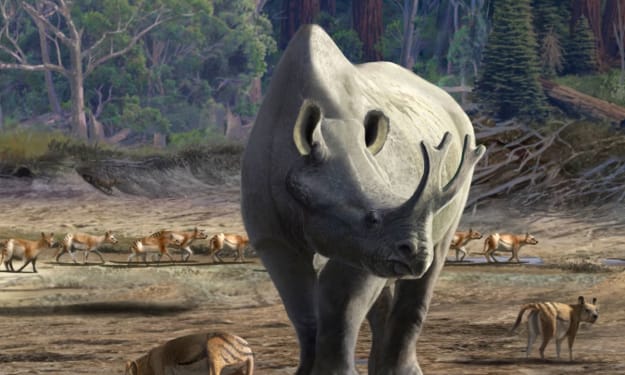
Megacerops: A Glimpse into the Ancient Past
Introduction Megacerops, often known by its older name Brontotherium, is an extinct genus of odd-toed ungulates (perissodactyls) that roamed North America during the late Eocene epoch, approximately 37 to 34 million years ago. These massive, rhinoceros-like creatures are a fascinating subject for paleontologists and enthusiasts alike due to their unique characteristics, evolutionary significance, and the rich fossil record they left behind. This blog explores the detailed history, ecology, and evolution of Megacerops, providing a comprehensive understanding of this remarkable genus.
By Mohammed thanvir2 years ago in History