
UMich Study Predicts Rising Human-Wildlife Overlap by 2070
outline study


Summary:
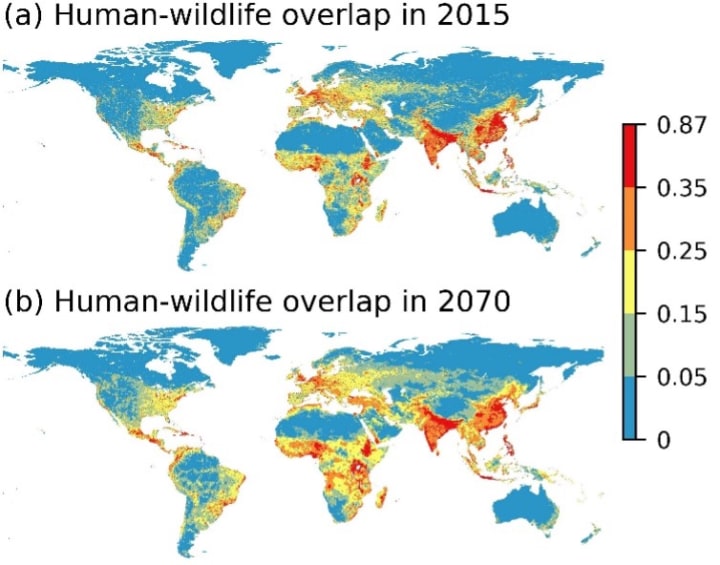
A recent study conducted by the University of Michigan has forecasted significant increases in human-wildlife overlap across the planet by the year 2070. The research suggests that more than half of Earth's land surface will experience intensified interactions between human populations and wildlife due to a combination of factors such as urban expansion, agricultural development, and climate change.
Key findings from the study indicate that as human populations grow and expand into previously undeveloped areas, wildlife habitats are increasingly encroached upon. This expansion not only disrupts ecosystems but also brings humans and wildlife into closer contact, leading to higher risks of conflicts, the spread of zoonotic diseases, and biodiversity loss.
The study also highlights the potential consequences of these changes, including increased competition for resources, altered migration patterns of animals, and heightened risks to both human safety and wildlife conservation efforts. The researchers call for urgent measures to manage this overlap, including better land-use planning, wildlife corridors, and sustainable development practices to mitigate the impacts on both humans and wildlife.
The findings of this study serve as a crucial warning for policymakers, conservationists, and urban planners to consider long-term strategies that balance human development with the preservation of natural ecosystems. Without such efforts, the increasing human-wildlife overlap could have far-reaching consequences for global biodiversity and human well-being.
Outline:
1. Introduction
- Overview of the study
- Importance of human-wildlife overlap
2. Study objectives and methodology
- The Growing Human Footprint
- Urban expansion and land-use change
- Agricultural development and its impact on wildlife
- Infrastructure development and its effects
3. Climate Change as a Driver of Human-Wildlife Overlap
- Shifts in wildlife habitats due to climate change
- Impact on migration patterns and species distribution
- How climate change exacerbates human-wildlife conflict
4.Implications for Biodiversity and Ecosystems
- Threats to endangered species
- Loss of biodiversity hotspots
- Disruption of ecosystems and ecological processes
5. Human-Wildlife Conflict and Its Consequences
- Case studies of human-wildlife conflict
- Economic costs of wildlife damage to agriculture and property
- Health risks associated with zoonotic diseases
6. Strategies for Mitigating Human-Wildlife Overlap
- Land-use planning and zoning
- Creation of wildlife corridors
- Sustainable development practices
- Community engagement and education
7. Technological Innovations in Wildlife Management
- Use of technology in monitoring wildlife movements
- Role of AI and big data in predicting and managing overlap
- Case studies of successful technological interventions
8. Conclusion:
- Recap of the study's findings
- The urgency of addressing human-wildlife overlap
- Call to action for stakeholders
Introduction:
In a world increasingly dominated by human activities, the balance between development and conservation has become more precarious than ever. A landmark study conducted by the University of Michigan has cast a stark light on the future of human-wildlife interactions, projecting that by the year 2070, over half of the Earth's land surface will experience significant human-wildlife overlap. This overlap, driven by urban expansion, agricultural development, and climate change, presents a complex challenge with far-reaching implications for biodiversity, ecosystem health, and human well-being.
The study, which draws on extensive data and sophisticated modeling techniques, underscores the urgent need for a global reevaluation of how land is used and managed. It highlights that the encroachment of human activities into wildlife habitats is not merely a localized issue but a global phenomenon with the potential to disrupt ecosystems, threaten species, and increase the likelihood of human-wildlife conflicts. These conflicts, in turn, pose risks to both human populations and wildlife, including the spread of zoonotic diseases—a concern that has gained heightened attention in the wake of the COVID-19 pandemic.
As the study reveals, the consequences of increased human-wildlife overlap are manifold, affecting everything from food security to public health and biodiversity conservation. The findings call for a concerted effort by governments, conservationists, urban planners, and local communities to develop strategies that can mitigate these impacts while promoting sustainable development.
The Growing Human Footprint
One of the primary drivers of increased human-wildlife overlap is the expanding human footprint on the planet. As the global population continues to grow, so does the demand for land, resources, and infrastructure. Urban areas are expanding at unprecedented rates, often encroaching on natural habitats that were once the exclusive domain of wildlife.
Urban Expansion and Land-Use Change
Urbanization is perhaps the most visible manifestation of humanity's growing footprint. Cities are spreading outwards, consuming vast tracts of land that were once forests, grasslands, or wetlands. This expansion not only displaces wildlife but also fragments habitats, making it difficult for species to find food, mates, and shelter. Fragmentation also isolates populations, reducing genetic diversity and making species more vulnerable to disease and environmental changes.
As cities grow, they often push into areas that were previously considered marginal or unsuitable for development. This includes arid regions, mountainsides, and coastal areas, all of which are important habitats for various species. The conversion of these lands into urban landscapes reduces the amount of space available for wildlife and increases the likelihood of human-wildlife interactions. For example, in many parts of the world, wild animals such as deer, bears, and even large predators like leopards and tigers are increasingly seen venturing into urban areas in search of food, leading to conflicts with humans.

Agricultural Development and Its Impact on Wildlife
Agriculture is another major factor contributing to human-wildlife overlap. As the global population increases, so does the need for food production. This has led to the expansion of agricultural lands into areas that were once wild habitats. Forests are cleared for crops, grasslands are converted into pasture, and wetlands are drained for rice paddies and other forms of cultivation. This transformation of the landscape not only reduces the amount of habitat available for wildlife but also alters the ecological balance of entire regions.
The intensification of agriculture often leads to monocultures, where vast areas are planted with a single crop. This reduces biodiversity and makes ecosystems more vulnerable to pests, diseases, and environmental changes. In addition, the use of pesticides and herbicides can have harmful effects on non-target species, including pollinators like bees and butterflies, as well as other wildlife that depend on a diverse range of plants and insects for food.
Agricultural expansion also increases the likelihood of human-wildlife conflicts. In many parts of the world, wild animals such as elephants, wild boars, and primates raid crops, leading to significant economic losses for farmers. In response, farmers may resort to lethal methods of control, further exacerbating the decline of wildlife populations.
Infrastructure Development and Its Effects
The development of infrastructure, such as roads, railways, and dams, is another key driver of human-wildlife overlap. Infrastructure projects often require the clearing of large areas of land, leading to habitat loss and fragmentation. Roads and railways, in particular, create barriers that can prevent wildlife from accessing important resources, such as water and food, and from migrating between different habitats.
In addition to physical barriers, infrastructure development can also lead to increased human access to remote areas, bringing with it hunting, logging, and other activities that further disrupt wildlife populations. For example, the construction of roads in previously inaccessible forests has been linked to increased poaching of endangered species such as tigers, rhinos, and elephants.
Dams and other water infrastructure projects can also have profound effects on wildlife. By altering the flow of rivers and changing the availability of water, dams can disrupt the habitats of aquatic and terrestrial species alike. For instance, many fish species rely on specific flow conditions for spawning, and changes to these conditions can result in population declines. Similarly, changes in water availability can affect the distribution and abundance of vegetation, which in turn impacts the animals that depend on these plants for food and shelter.
Climate Change as a Driver of Human-Wildlife Overlap
Climate change is another major factor contributing to increased human-wildlife overlap. As global temperatures rise and weather patterns become more unpredictable, wildlife is forced to adapt by shifting their ranges, altering their behaviors, or changing their migration patterns. These changes often bring animals into closer contact with humans, leading to increased competition for resources and a higher likelihood of conflict.
Shifts in Wildlife Habitats Due to Climate Change
One of the most significant impacts of climate change on wildlife is the alteration of habitats. As temperatures rise, many species are moving to higher altitudes or latitudes in search of cooler conditions. This shift can bring them into areas that are already heavily populated by humans, increasing the potential for overlap and conflict.
For example, in mountainous regions, animals that were once confined to higher elevations are moving down to lower areas as temperatures increase. This movement brings them into contact with human settlements, leading to conflicts over resources such as food and water. Similarly, species that are shifting their ranges northward or southward in response to warming temperatures may find themselves in areas where they must compete with humans for land and resources.
Climate change is also affecting the availability of water, which is a critical resource for both humans and wildlife. In many regions, changing precipitation patterns are leading to more frequent and severe droughts, which can drive animals to seek water in areas that are inhabited by people. This can result in increased encounters between humans and wildlife, particularly in arid regions where water is already scarce.

Impact on Migration Patterns and Species Distribution
In addition to altering habitats, climate change is also affecting the migration patterns and distribution of species. Many animals, including birds, fish, and mammals, rely on seasonal migrations to access food, breeding sites, and other resources. However, as the timing and availability of these resources change due to climate change, animals are being forced to alter their migration patterns, often bringing them into closer contact with humans.
For example, migratory birds that rely on specific stopover sites for refueling during their long journeys may find that these sites are no longer suitable due to changes in vegetation or water availability. As a result, they may be forced to seek out new areas, some of which may be heavily populated by humans. Similarly, fish species that rely on specific water temperatures for spawning may find that their traditional breeding grounds are no longer suitable, forcing them to move to new areas where they may come into contact with human activities such as fishing or water extraction.
In some cases, climate change is causing species to expand their ranges into areas that were previously inhospitable. For example, as temperatures rise, tropical species are moving into temperate regions, while temperate species are moving into polar regions. This expansion can lead to increased competition with native species, as well as increased encounters with humans.
How Climate Change Exacerbates Human-Wildlife Conflict
Climate change not only increases the likelihood of human-wildlife overlap but also exacerbates the potential for conflict. As resources become scarcer due to changing environmental conditions, competition between humans and wildlife is likely to intensify. This is particularly true in regions that are already vulnerable to resource shortages, such as arid and semi-arid areas.
For example, in parts of Africa and Asia, elephants and other large herbivores are increasingly coming into conflict with farmers as they seek out food and water in areas that are also used for agriculture. These conflicts can result in significant economic losses for farmers, as well as injuries or fatalities for both humans and animals. In some cases, retaliatory killings of wildlife by humans can further threaten endangered species and undermine conservation efforts.
Similarly, in regions that are experiencing more frequent and severe droughts, predators such as lions, tigers, and wolves are increasingly coming into conflict with humans as they seek out alternative prey. This can lead to livestock depredation, which in turn can result in retaliatory killings of predators by farmers and herders.
Climate change is also contributing to the spread of zoonotic diseases, which are diseases that can be transmitted from animals to humans. As wildlife moves into closer contact with human populations, the potential for disease transmission increases. This is particularly concerning in regions where public health systems are already under strain, as the spread of zoonotic diseases can have serious consequences for human health.
Implications for Biodiversity and Ecosystems
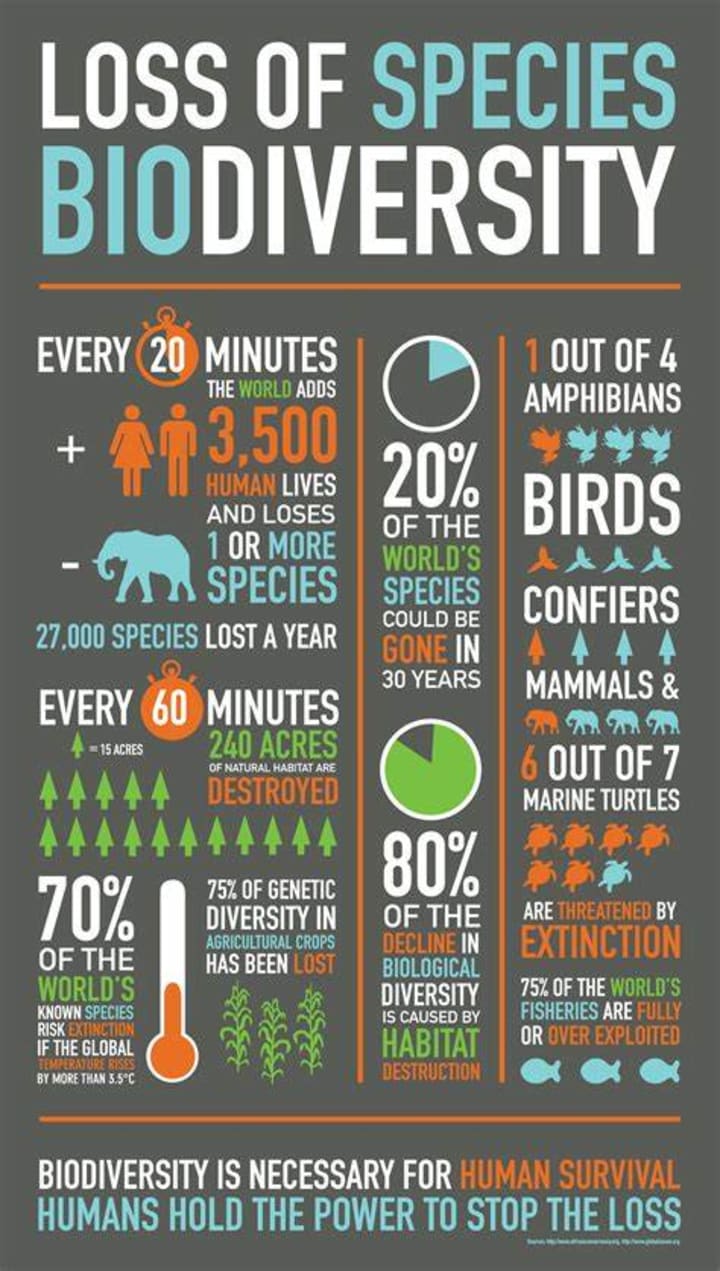
The increasing overlap between human populations and wildlife has significant implications for biodiversity and ecosystems. As humans encroach on natural habitats, the survival of many species is put at risk, leading to declines in biodiversity and the disruption of ecological processes.
Threats to Endangered Species
One of the most concerning consequences of increased human-wildlife overlap is the threat it poses to endangered species. Many of the world's most threatened species, including large mammals such as elephants, rhinos, and big cats, are already struggling to survive due to habitat loss, poaching, and other human activities. The encroachment of human populations into their habitats only exacerbates these threats, making it even more difficult for these species to recover.
For example, in Africa and Asia, elephants are increasingly coming into conflict with humans as they search for food and water in areas that are also used for agriculture. This has led to an increase in retaliatory killings of elephants by farmers, further threatening the survival of these already endangered animals. Similarly, in India and Nepal, tigers are increasingly coming into contact with human populations as their habitats are fragmented by development. This has led to an increase in human-tiger conflicts, which in turn has resulted in retaliatory killings of tigers by local communities.
In addition to direct threats from human-wildlife conflict, increased human-wildlife overlap also increases the risk of poaching and illegal wildlife trade. As human populations move into areas that were previously remote or inaccessible, poachers are able to gain easier access to endangered species. This has been particularly problematic for species such as rhinos and elephants, which are targeted for their horns and tusks, respectively.
Loss of Biodiversity Hotspots
Biodiversity hotspots—regions that are rich in species diversity and endemism—are particularly vulnerable to the effects of increased human-wildlife overlap. These areas often contain a high concentration of species that are found nowhere else in the world, making them critical for global biodiversity conservation. However, many of these hotspots are also under intense pressure from human activities, including agriculture, urbanization, and infrastructure development.
For example, the Amazon rainforest, which is one of the most biodiverse regions on Earth, is increasingly being cleared for agriculture, logging, and other forms of development. This deforestation not only reduces the amount of habitat available for wildlife but also disrupts the complex ecological processes that sustain the region's rich biodiversity. Similarly, the forests of Southeast Asia are being rapidly converted to palm oil plantations, threatening the survival of species such as orangutans, tigers, and rhinoceroses.
The loss of biodiversity hotspots has far-reaching consequences for global biodiversity. As these regions are degraded or destroyed, the species that depend on them are pushed closer to extinction. In addition, the loss of these areas reduces the overall resilience of ecosystems, making them more vulnerable to environmental changes and less able to provide the services that humans depend on, such as clean water, air, and food.
Disruption of Ecosystems and Ecological Processes
The encroachment of human populations into wildlife habitats not only threatens individual species but also disrupts entire ecosystems and the ecological processes that sustain them. Ecosystems are complex networks of interactions between species and their environment, and the loss of any one species can have cascading effects throughout the system.
For example, large predators such as wolves and lions play a critical role in regulating the populations of their prey species. When these predators are removed from an ecosystem, the populations of herbivores such as deer and antelope can increase dramatically, leading to overgrazing and the degradation of vegetation. This, in turn, can reduce the availability of food and shelter for other species, leading to further declines in biodiversity.
Similarly, the loss of keystone species, which are species that have a disproportionately large impact on their ecosystem, can lead to the collapse of entire ecological networks. For example, the loss of elephants, which are considered keystone species in many African ecosystems, can lead to changes in vegetation structure and the loss of other species that depend on the habitats created by elephants.
The disruption of ecosystems and ecological processes also has direct implications for human populations. Many of the services that humans rely on, such as clean water, air, and food, are provided by healthy ecosystems. When these systems are degraded or destroyed, the availability of these services is reduced, leading to increased vulnerability to environmental changes, such as droughts, floods, and disease outbreaks.
Human-Wildlife Conflict and Its Consequences
The increasing overlap between human populations and wildlife is leading to more frequent and severe conflicts between the two. These conflicts have significant consequences for both humans and wildlife, including economic losses, health risks, and the decline of endangered species.
Case Studies of Human-Wildlife Conflict
Human-wildlife conflict is a global issue, affecting communities and wildlife in many different regions of the world. These conflicts often arise when wildlife encroaches on human settlements or agricultural lands in search of food, water, or shelter. In many cases, these encounters result in damage to crops, livestock, and property, as well as injuries or fatalities for both humans and animals.
For example, in Africa, elephants are increasingly coming into conflict with farmers as they search for food and water in areas that are also used for agriculture. These conflicts can result in significant economic losses for farmers, as well as injuries or fatalities for both humans and elephants. In some cases, retaliatory killings of elephants by farmers can further threaten the survival of these already endangered animals.
In India, human-tiger conflicts are on the rise as tigers are increasingly coming into contact with human populations due to habitat loss and fragmentation. These conflicts can result in injuries or fatalities for both humans and tigers, as well as economic losses for communities that depend on livestock for their livelihoods. In some cases, retaliatory killings of tigers by local communities can further threaten the survival of these already endangered animals.
In North America, conflicts between humans and large predators such as bears, wolves, and cougars are becoming more common as human populations expand into wild areas. These conflicts can result in injuries or fatalities for both humans and animals, as well as economic losses for communities that depend on livestock for their livelihoods. In some cases, wildlife managers may be forced to relocate or euthanize animals that are deemed to be a threat to human safety.
Economic Costs of Wildlife Damage to Agriculture and Property
One of the most significant consequences of human-wildlife conflict is the economic cost of wildlife damage to agriculture and property. In many parts of the world, farmers and rural communities are struggling to cope with the loss of crops, livestock, and property due to wildlife incursions. These losses can have a devastating impact on livelihoods, particularly in regions where people are already living in poverty.
For example, in Africa, elephants are known to cause significant damage to crops such as maize, sorghum, and millet, leading to economic losses for farmers. In some cases, these losses can be so severe that they threaten the food security of entire communities. Similarly, in Asia, wild boars, monkeys, and other animals are known to raid crops, causing significant economic losses for farmers.
In addition to crop damage, wildlife can also cause significant damage to property, including homes, fences, and water infrastructure. For example, in parts of North America, bears are known to break into homes and cabins in search of food, causing significant damage to property. Similarly, in Europe, wolves and other large predators are known to kill livestock, leading to economic losses for farmers.
The economic costs of human-wildlife conflict can be substantial, particularly for rural communities that depend on agriculture for their livelihoods. In many cases, these communities lack the resources and support needed to effectively manage wildlife conflicts, leading to further economic losses and increased vulnerability to poverty.
Health Risks Associated with Zoonotic Diseases
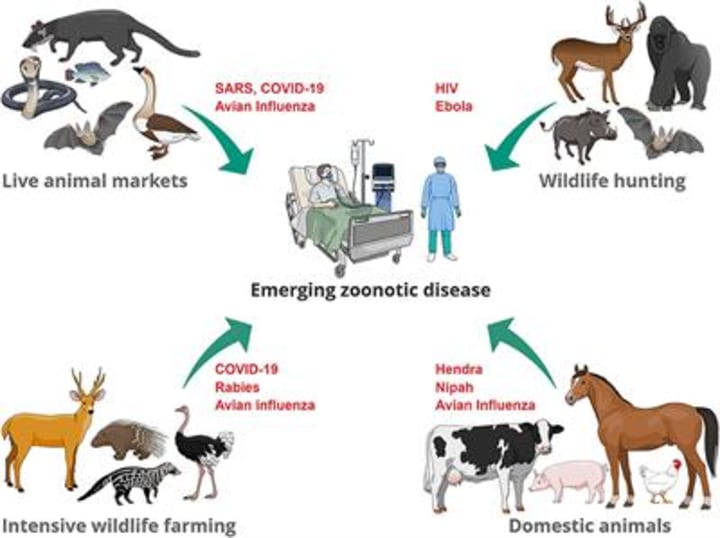
Another significant consequence of human-wildlife conflict is the increased risk of zoonotic diseases, which are diseases that can be transmitted from animals to humans. As wildlife moves into closer contact with human populations, the potential for disease transmission increases, posing serious risks to public health.
For example, the Ebola virus, which is believed to have originated in fruit bats, has been linked to outbreaks in West Africa that have claimed thousands of lives. Similarly, the H1N1 influenza virus, which is believed to have originated in pigs, has caused global pandemics that have resulted in significant loss of life.
The spread of zoonotic diseases is particularly concerning in regions where public health systems are already under strain. In many parts of the world, access to healthcare is limited, making it difficult to diagnose and treat diseases in a timely manner. In addition, many zoonotic diseases have the potential to spread rapidly within human populations, leading to widespread outbreaks and significant loss of life.
The COVID-19 pandemic, which is believed to have originated in wildlife, has highlighted the global risks associated with zoonotic diseases. The pandemic has had a devastating impact on public health, economies, and societies around the world, underscoring the need for increased vigilance and preparedness to prevent future outbreaks.
Strategies for Mitigating Human-Wildlife Overlap
The increasing overlap between human populations and wildlife presents a complex challenge that requires a multifaceted approach. To mitigate the impacts of this overlap and promote sustainable coexistence, a range of strategies is needed, including land-use planning, wildlife corridors, sustainable development practices, and community engagement.
Land-Use Planning and Zoning
One of the most effective ways to mitigate human-wildlife overlap is through better land-use planning and zoning. By carefully planning how land is used and developed, it is possible to reduce the potential for conflict between humans and wildlife while also protecting critical habitats.
For example, in many parts of the world, governments and conservation organizations are working to create buffer zones around protected areas. These zones, which are often used for low-impact activities such as sustainable agriculture and ecotourism, help to reduce the pressure on wildlife habitats while also providing economic benefits for local communities.
In addition to buffer zones, land-use planning can also be used to create wildlife corridors, which are strips of habitat that connect larger protected areas. These corridors allow wildlife to move between different habitats without coming into contact with human populations, reducing the potential for conflict. For example, in Africa, several countries have established wildlife corridors to allow elephants and other large mammals to move between national parks and other protected areas.
Land-use planning and zoning can also be used to restrict development in areas that are critical for wildlife. For example, in some parts of the world, governments have established conservation easements, which are legal agreements that restrict the use of land in order to protect wildlife habitats. Similarly, some countries have implemented zoning laws that restrict the types of activities that can take place in certain areas, such as wetlands, forests, and coastal regions.
Creation of Wildlife Corridors
The creation of wildlife corridors is a key strategy for mitigating human-wildlife overlap and promoting sustainable coexistence. Wildlife corridors are strips of habitat that connect larger protected areas, allowing animals to move between different habitats without coming into contact with human populations.
Wildlife corridors are particularly important for species that rely on large home ranges or that migrate between different habitats. For example, in Africa, elephants and other large mammals rely on wildlife corridors to move between national parks and other protected areas. Similarly, in North America, wildlife corridors are used by species such as bears, wolves, and cougars to move between different habitats.
The creation of wildlife corridors can also help to reduce the effects of habitat fragmentation, which is one of the main drivers of biodiversity loss. By connecting isolated habitats, wildlife corridors help to maintain genetic diversity and allow species to adapt to changing environmental conditions.
In addition to their ecological benefits, wildlife corridors can also provide economic benefits for local communities. For example, many wildlife corridors are used for ecotourism, which provides income and employment opportunities for local people. Similarly, some wildlife corridors are used for sustainable agriculture, which provides food and income for local communities while also protecting wildlife habitats.
Sustainable Development Practices
Sustainable development practices are another key strategy for mitigating human-wildlife overlap and promoting coexistence. By adopting practices that are environmentally friendly and socially responsible, it is possible to reduce the impact of human activities on wildlife while also promoting economic development.
For example, sustainable agriculture practices, such as agroforestry and organic farming, can help to reduce the impact of agriculture on wildlife habitats. Agroforestry, which involves the integration of trees and other vegetation into agricultural landscapes, can provide habitat for wildlife while also improving soil health and reducing the need for chemical inputs. Similarly, organic farming practices, which avoid the use of synthetic pesticides and fertilizers, can help to protect biodiversity and reduce the impact of agriculture on wildlife.
Sustainable development practices can also be applied to other sectors, such as forestry, fisheries, and tourism. For example, sustainable forestry practices, such as selective logging and reduced-impact logging, can help to protect wildlife habitats while also providing income and employment opportunities for local communities. Similarly, sustainable fisheries practices, such as catch limits and protected areas, can help to protect marine ecosystems and the species that depend on them.
Sustainable tourism is another important strategy for mitigating human-wildlife overlap. By promoting responsible tourism practices, such as minimizing disturbance to wildlife and supporting local conservation efforts, it is possible to generate income for local communities while also protecting wildlife and their habitats.

Community Engagement and Education
Community engagement and education are critical components of any strategy to mitigate human-wildlife overlap. By involving local communities in conservation efforts and providing them with the knowledge and tools they need to coexist with wildlife, it is possible to reduce the potential for conflict and promote sustainable coexistence.
For example, in many parts of the world, conservation organizations are working with local communities to develop community-based conservation programs. These programs involve local people in the management of natural resources and the protection of wildlife, providing them with a sense of ownership and responsibility for the conservation of their environment.
Education is also an important tool for promoting coexistence. By raising awareness about the importance of wildlife and the benefits of conservation, it is possible to change attitudes and behaviors that contribute to human-wildlife conflict. For example, in many parts of the world, conservation organizations are working to educate farmers about non-lethal methods of wildlife control, such as the use of fences, scare devices, and guard animals. Similarly, education programs aimed at children and young people can help to build a culture of conservation and environmental stewardship.
In addition to education and engagement, it is also important to provide local communities with the resources and support they need to coexist with wildlife. This can include providing compensation for wildlife damage to crops and property, as well as support for the development of alternative livelihoods that reduce the pressure on wildlife habitats.

Technological Innovations in Wildlife Management
Technological innovations are playing an increasingly important role in wildlife management and the mitigation of human-wildlife overlap. From satellite tracking to artificial intelligence, new technologies are providing conservationists with the tools they need to monitor wildlife, predict conflicts, and develop effective strategies for coexistence.
Use of Technology in Monitoring Wildlife Movements
One of the most significant advances in wildlife management is the use of technology to monitor wildlife movements. Satellite tracking, GPS collars, and camera traps are all being used to collect data on the movements and behaviors of wildlife, providing conservationists with valuable information that can be used to develop strategies for coexistence.
For example, satellite tracking is being used to monitor the movements of elephants, lions, and other large mammals in Africa. By tracking the movements of these animals, conservationists can identify areas where human-wildlife conflicts are likely to occur and take steps to prevent them. Similarly, GPS collars are being used to monitor the movements of wolves, bears, and cougars in North America, providing wildlife managers with the information they need to develop strategies for coexistence.

Camera traps are another important tool for monitoring wildlife. These devices, which are triggered by movement, are used to capture images of wildlife in their natural habitats. The data collected by camera traps can be used to monitor the presence and abundance of species, as well as their behaviors and interactions with other animals.
In addition to their use in monitoring wildlife, these technologies are also being used to engage and educate the public about wildlife conservation. For example, many conservation organizations are using satellite tracking data to create interactive maps and websites that allow the public to follow the movements of animals in real-time. Similarly, camera trap images are being used to create citizen science projects, where members of the public can help to identify and classify wildlife.
Role of AI and Big Data in Predicting and Managing Overlap
Artificial intelligence (AI) and big data are also playing an increasingly important role in wildlife management. By analyzing large datasets, AI can be used to identify patterns and trends in wildlife movements and behaviors, providing conservationists with valuable insights that can be used to predict and manage human-wildlife overlap.
For example, AI is being used to analyze satellite imagery and GPS data to identify areas where human-wildlife conflicts are likely to occur. By analyzing factors such as land use, vegetation cover, and human population density, AI can predict where wildlife is likely to come into contact with humans, allowing conservationists to take proactive measures to prevent conflicts.
Big data is also being used to develop more effective strategies for wildlife management. For example, by analyzing data on wildlife movements, behaviors, and interactions with humans, conservationists can identify the most effective methods for reducing conflicts. This can include the development of non-lethal methods of wildlife control, such as the use of fences, scare devices, and guard animals, as well as the creation of wildlife corridors and buffer zones.
In addition to their use in predicting and managing human-wildlife overlap, AI and big data are also being used to monitor the health of wildlife populations. For example, AI is being used to analyze data on animal movements, behaviors, and interactions with other animals to identify signs of disease or stress. This information can be used to develop strategies for preventing the spread of disease and improving the health and well-being of wildlife populations.
Case Studies of Successful Technological Interventions
There are numerous examples of how technological innovations are being used to mitigate human-wildlife overlap and promote coexistence. These case studies demonstrate the potential of technology to transform wildlife management and conservation.
One notable example is the use of satellite tracking to monitor the movements of elephants in Africa. By tracking the movements of elephants, conservationists have been able to identify areas where human-wildlife conflicts are likely to occur and take steps to prevent them. This has included the creation of wildlife corridors, the use of fences and other barriers to keep elephants out of agricultural areas, and the development of community-based conservation programs.
Another example is the use of camera traps to monitor the presence and behaviors of large predators in North America. By capturing images of wolves, bears, and cougars in their natural habitats, conservationists have been able to develop more effective strategies for managing these species and reducing conflicts with humans. This has included the use of non-lethal methods of wildlife control, such as the use of guard animals and scare devices, as well as the creation of wildlife corridors and buffer zones.
In addition to these examples, AI and big data are also being used to develop more effective strategies for wildlife management. For example, in India, AI is being used to analyze data on tiger movements and behaviors to identify areas where human-tiger conflicts are likely to occur. This information is being used to develop strategies for preventing conflicts, such as the creation of buffer zones and the use of non-lethal methods of wildlife control.
Conclusion
The increasing overlap between human populations and wildlife is a complex and multifaceted challenge that requires a range of strategies to address. While human activities such as agriculture, urbanization, and infrastructure development are driving this overlap, climate change is also exacerbating the problem by forcing wildlife to move into new areas in search of suitable habitats.
To mitigate the impacts of human-wildlife overlap and promote sustainable coexistence, it is essential to adopt a multifaceted approach that includes land-use planning, the creation of wildlife corridors, sustainable development practices, and community engagement. Technological innovations such as satellite tracking, AI, and big data are also playing an increasingly important role in wildlife management, providing conservationists with the tools they need to monitor wildlife, predict conflicts, and develop effective strategies for coexistence.
Ultimately, the success of these efforts will depend on the willingness of governments, conservation organizations, and local communities to work together to find solutions that benefit both humans and wildlife. By adopting a holistic approach to wildlife management and conservation, it is possible to reduce the potential for conflict and promote a more sustainable future for both humans and wildlife.

About the Creator
Keep reading
More stories from Mohammed thanvir and writers in Earth and other communities.
520 million year old worm solved the mystery of arthropods evolution
Arthropods are a diverse and highly successful group of invertebrate animals that include insects, arachnids (such as spiders and scorpions), crustaceans (such as crabs, lobsters, and shrimp), and myriapods (such as centipedes and millipedes). They are characterized by their segmented bodies, jointed limbs, and exoskeletons made of chitin. Arthropods are the largest phylum in the animal kingdom, with over a million described species, and they are found in virtually every habitat on Earth.
By Mohammed thanvirabout a year ago in Earth
Without Democracy, Donald Trump’s Venezuelan Oil Quest Will Fail
Donald Trump’s renewed interest in Venezuelan oil may seem, on the surface, like a hard-nosed geopolitical calculation. Venezuela holds the world’s largest proven oil reserves, and amid global energy uncertainty, access to those resources is undeniably tempting. But history, economics, and politics all point to the same conclusion: without democratic reform in Venezuela, any attempt by a Trump-led US administration to secure reliable Venezuelan oil will ultimately fail.
By Aarif Lashariabout 11 hours ago in Earth


Comments
There are no comments for this story
Be the first to respond and start the conversation.