
Wildlife in Africa's Savanna Fears Humans More Than Lions
Tourism


The African savanna, one of the world’s most iconic and biodiverse ecosystems, is often imagined as a vast expanse where wild animals roam freely and lions reign supreme as top predators. However, a recent groundbreaking study reveals an unexpected truth about how wildlife perceives threats: many animals in the African savanna fear humans even more than they fear their natural predators, including lions. This finding sheds light on the profound impact of human presence on wildlife behavior and survival, altering longstanding perceptions of the African ecosystem and highlighting the urgent need for conservation measures.
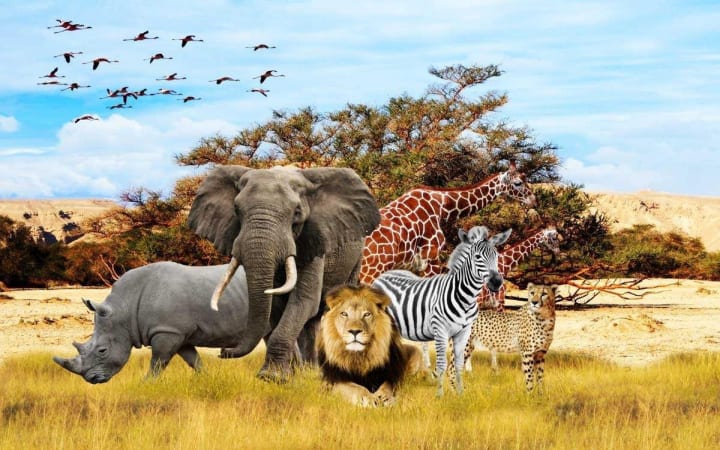
The African Savanna: A World of Wild Complexity
The African savanna spans multiple countries, from Kenya to Botswana, encompassing grasslands, open woodlands, and patches of dense vegetation. This unique biome is home to some of the world’s most famous animals, including elephants, giraffes, zebras, antelopes, and a variety of predators like lions, leopards, cheetahs, and hyenas. The delicate balance between predator and prey has long been a focal point of ecological studies, offering insight into how ecosystems function and the roles different species play.
Traditionally, researchers assumed that apex predators like lions were the primary sources of fear and behavioral modification among herbivores, which have adapted to survive in a world filled with natural dangers. However, human activities—such as poaching, habitat encroachment, and tourism—are shifting the dynamics of these interactions. The new study highlights the extent to which human presence disrupts these intricate relationships.
The Study’s Core Findings: Animals Fear Humans More than Lions
Conducted by a team of ecologists and conservationists, the study analyzed animal responses to the presence of both human voices and lion calls in areas with varying levels of human activity. By recording and playing back these sounds in the wild, researchers were able to observe animal reactions in real time, allowing them to gauge the intensity of each response. The study found that many animals responded with far more caution, and in some cases immediate flight, when exposed to human voices, while reactions to lion calls were comparatively mild.
For example, impalas and warthogs showed extreme caution, often fleeing quickly at the sound of human voices, while similar sounds from lion calls elicited only wary vigilance. These findings suggest that even in areas where human interaction is limited, the potential threat humans pose leaves a profound impact on animal behavior. This shift in behavior underscores how animals in these ecosystems now perceive humans as an apex predator—one that is unpredictable and often deadly.
Examining the Reasons: Why Do Animals Fear Humans More?
There are several potential reasons why animals in the African savanna may fear humans more than lions. Here are some factors that may contribute to this phenomenon:
Human Unpredictability: Unlike lions and other natural predators that generally follow predictable hunting patterns, humans are perceived as erratic and inconsistent. Animals may struggle to anticipate how a human presence will impact them, as human actions can vary widely from one encounter to the next. This unpredictability increases perceived risk and prompts animals to take more evasive actions than they might with known natural predators.
Weaponry and Technology: Humans have advanced beyond physical limitations through technology. The use of firearms, traps, and vehicles amplifies the threat humans pose to wildlife, often with devastating consequences. Unlike lions, which hunt only as needed for survival, humans can inflict harm without immediate personal benefit. This unique threat may condition animals to respond with heightened fear to the mere presence or sound of humans.
Poaching and Habitat Encroachment: In areas plagued by poaching, animals have witnessed firsthand the danger that humans represent. This experience has conditioned many species to associate human voices, scents, or activities with mortality. Even in protected areas, the memory of past human-related threats may be sufficient to trigger a fear response, highlighting the long-term psychological impact of human actions on animal populations
Reduced Habitat and Refuge Areas: As human populations grow and encroach upon wildlife habitats, animals have fewer safe areas to retreat to. In these fragmented landscapes, human encounters are more frequent, and animals are forced to live in close proximity to people, heightening their stress levels and fostering a sense of unease.
Impact of Tourism: While wildlife tourism brings significant economic benefits, it also introduces challenges for animal behavior. High levels of tourism may condition animals to become wary of human voices or the sounds of vehicles. Although most tourists are not direct threats, the constant exposure to human presence may reinforce a baseline sense of fear.
Behavioral Consequences of Human Fear on Wildlife
The findings of this study reveal significant implications for how animals adapt their behaviors in response to human threats. Here are some of the behavioral consequences noted among African savanna animals:
Increased Vigilance and Flight Responses: Animals that are continuously exposed to human presence may spend more time in vigilance and evasion behaviors than in critical activities like foraging, mating, or social bonding. This heightened alertness can lead to an increased caloric expenditure, impacting physical health and reducing their chances of survival in the long term.
Avoidance of Key Habitat Areas: In regions where humans are frequently present, animals may begin to avoid essential resources, such as watering holes or foraging grounds, during peak times of human activity. This displacement can create a chain reaction, as animals congregate in less ideal locations, increasing competition for resources and impacting the overall ecosystem balance.
Changes in Reproductive Patterns: Studies have shown that chronic stress from human interactions can alter reproductive behaviors, potentially leading to reduced reproductive success. Species that are already vulnerable, such as rhinos or elephants, may face compounding threats due to these behavioral shifts, further endangering their populations.
Altered Predator-Prey Relationships: When animals prioritize avoiding humans over their usual predator avoidance strategies, it can disrupt natural predator-prey dynamics. Prey animals that are on high alert for human threats may become more vulnerable to natural predators, as their usual vigilance patterns are disrupted.
Long-term Behavioral Conditioning: The constant fear of humans may lead to generational conditioning, where offspring inherit the behavioral patterns of wariness and avoidance. This can create a permanent shift in the ecological landscape, as future generations adapt to human threats as a baseline part of survival.

Implications for Conservation: Rethinking Human Impact on Wildlife
The revelation that wildlife in the African savanna fears humans more than apex predators like lions underscores the urgent need for conservation strategies that mitigate human impact on animal behavior. Conservationists and wildlife management organizations must reconsider how they approach human-wildlife interactions and adopt new frameworks that prioritize reducing human-induced stress among wildlife populations.
1. Limiting Human Encroachment
In order to minimize the impact of humans on wildlife behavior, conservation policies could focus on creating or expanding protected areas where human access is limited or tightly controlled. By establishing wildlife corridors and buffer zones, animals would have safe havens where they can live and interact in the absence of human threats, allowing for more natural behavioral patterns to emerge.
2. Regulating Tourism and Poaching
Effective regulations on tourism, especially in highly trafficked wildlife reserves, could mitigate the negative impact of human presence on animal populations. Reducing the number of tourists allowed in certain sensitive areas and enforcing strict “no disturbance” policies can help wildlife feel more secure in their natural habitat. Additionally, increased anti-poaching efforts are essential, as poaching not only directly harms animal populations but also conditions survivors to associate humans with mortal danger.
3. Innovative Approaches to Reduce Human-Wildlife Conflict
Conservationists are exploring innovative ways to reduce human-wildlife conflict. One such approach is the use of remote monitoring tools, like camera traps and drone technology, which allow researchers to observe and study animals without being physically present. By minimizing direct human contact, these technologies help reduce the stress animals feel when they encounter humans in their territory.
Involving local communities in conservation efforts can have a positive impact by promoting coexistence strategies and raising awareness of how human activities affect wildlife behavior. Educating communities about the importance of wildlife conservation, and offering alternative livelihoods to reduce dependency on poaching or encroachment, can foster a more harmonious relationship between humans and the animals with which they share the land.
Conclusion: A Call for Compassionate Conservation
The study’s finding that animals in the African savanna fear humans more than lions is a powerful reminder of the wide-reaching effects of human presence on the natural world. As apex predators, humans wield considerable influence, and our activities reshape ecosystems and alter animal behavior. Recognizing the importance of compassion in our conservation efforts is essential to protect not only the savanna’s animal inhabitants but also the intricate ecological relationships that have developed over millennia.
As the world confronts biodiversity loss and environmental degradation, this research underscores the necessity for a conservation approach that goes beyond preserving physical space and addresses the psychological and behavioral impacts of human presence on wildlife. By learning to coexist more harmoniously with nature and by curbing the fear we instill in animals, we can help restore a balanced ecosystem and ensure that the African savanna remains a thriving habitat for generations to come.
About the Creator
Keep reading
More stories from Mohammed thanvir and writers in Earth and other communities.
India's unique animals
India is renowned for its rich biodiversity, with a unique geographical and ecological landscape that has fostered the evolution of a variety of endemic species. From the dense rainforests of the Western Ghats to the towering heights of the Himalayas and the sprawling deserts of Rajasthan, India is home to several animals that are found nowhere else in the world. This biodiversity has been recognized globally, with India being one of the 17 "megadiverse" countries that together host the majority of Earth's species. Here’s a look at some of the most fascinating animals that are native only to India, many of which are critically endangered or rare.
By Mohammed thanvirabout a year ago in Earth
“If You’re Flushing the Toilet with Grey Water, People Should Know”: How China Turned Rain into an Asset
Water scarcity is one of the most pressing challenges facing the world today, and China is confronting it with bold, large-scale innovations. From sprawling cities to rural communities, the country has been transforming rainwater and grey water — wastewater from baths, sinks, and washing machines — into usable resources, addressing shortages while boosting sustainability. The approach is as much about engineering ingenuity as it is about public transparency and social trust. As one Chinese water engineer put it: “If you’re flushing the toilet with grey water, people should know.” This candid acknowledgment captures the essence of China’s strategy: utilize every drop of water efficiently while educating and involving the public. The Scale of China’s Water Challenge China faces a unique set of water challenges: Rapid urbanization, leading to increased demand for potable water Uneven distribution of water resources, with the north of China significantly drier than the south Industrial expansion, which consumes enormous quantities of freshwater Traditional water systems, reliant solely on rivers, lakes, and underground aquifers, are increasingly inadequate. Water shortages threaten agriculture, public health, and economic growth. Enter grey water and rainwater recycling, which turns previously discarded or seasonal water into a strategic asset. Grey Water: From Waste to Resource Grey water refers to domestic wastewater from sinks, showers, and washing machines — excluding sewage. While not suitable for drinking, it can be treated and reused for: Flushing toilets Irrigating gardens and parks Industrial processes requiring non-potable water China has implemented city-wide grey water recycling systems, often in high-rise residential blocks and industrial complexes. These systems involve: Collection: Grey water from sinks, showers, and laundry is routed through a separate piping network. Treatment: Basic filtration, chemical treatment, or UV sterilization removes contaminants. Reuse: Treated water is stored and reused for flushing toilets or irrigation, drastically reducing fresh water demand. In some cities, nearly 30–40% of household water consumption can be offset by grey water reuse, easing pressure on municipal water supplies. Rainwater Harvesting: Turning Precipitation into Opportunity Rainwater is another crucial asset, especially in regions where seasonal rains are abundant but water storage is limited. China’s rainwater harvesting initiatives include: Rooftop collection systems in urban and rural buildings Underground cisterns and reservoirs for storage Integration into public parks and community irrigation networks Collected rainwater can be used for irrigation, cleaning streets, or replenishing urban lakes — effectively reducing reliance on potable water while enhancing urban greenery. Cities like Beijing, Shanghai, and Shenzhen have led the way, embedding rainwater storage tanks and treatment units directly into infrastructure planning. This holistic approach turns rainfall from a transient resource into a stable, managed supply. Urban Integration and Smart Technology China’s approach goes beyond simple collection. Smart sensors, IoT devices, and AI analytics are being used to: Monitor grey water quality in real time Optimize rainwater collection and storage based on weather forecasts Reduce overflow and contamination risks By integrating these technologies, water managers can balance supply and demand dynamically, ensuring that recycled water is safe, efficient, and reliable. Public transparency is central. Residents are clearly informed when grey water is being used, often through visible signage in buildings or public awareness campaigns. This trust-building is essential to encourage adoption and avoid resistance. Environmental and Economic Benefits China’s grey water and rainwater initiatives yield substantial environmental and economic dividends: Conservation of freshwater: Reduces extraction from rivers, lakes, and aquifers, helping ecosystems survive droughts. Lower energy costs: Treating grey water locally uses less energy than pumping and purifying municipal water. Flood mitigation: Rainwater storage helps manage urban runoff during heavy rainfall, reducing flood risk. Economic savings for residents: Households using recycled water can reduce water bills significantly. By aligning environmental stewardship with cost-effectiveness, these projects illustrate a sustainable model for densely populated nations. Cultural Shifts and Public Perception Using recycled water for toilets or irrigation required a shift in public perception. Initially, residents expressed skepticism about safety and hygiene. China addressed this by: Implementing stringent water quality standards Educating the public through campaigns and signage Demonstrating transparency about treatment methods Over time, grey water reuse became normalized, particularly in new urban developments, where residents take pride in contributing to water conservation. Lessons for the World China’s water recycling strategy offers valuable lessons for other countries facing water scarcity: Urban planning must integrate water recycling from the start Technology can optimize efficiency, but transparency builds public trust Multiple water sources — grey water, rainwater, and municipal supply — can be combined strategically Community engagement is essential, especially when water reuse intersects with everyday routines Countries in the Middle East, Africa, and parts of the U.S. have already looked to China for insights on urban grey water and rainwater management. Challenges Ahead Despite progress, challenges remain: Infrastructure costs are high for retrofitting existing buildings Maintenance and monitoring are crucial to prevent contamination Public skepticism persists in some regions, requiring ongoing education and outreach Scaling these systems nationally requires both financial investment and cultural adaptation, but China’s experience shows it is achievable. Looking Forward China’s ambitious water recycling projects illustrate a paradigm shift in urban water management. Grey water and rainwater are no longer seen as waste or nuisance; they are valuable resources that can sustain cities, agriculture, and industry. As global water scarcity intensifies, lessons from China may inspire other nations to rethink how they treat water — not as a disposable commodity, but as a precious asset to manage wisely. Final Thoughts The statement, “If you’re flushing the toilet with grey water, people should know,” encapsulates the balance of innovation and transparency that makes China’s approach successful. By turning rain and grey water into assets, the country is conserving freshwater, protecting the environment, and setting a model for sustainable urban living. As other nations look to address water shortages, China’s example proves that with technology, planning, and public engagement, cities can transform perceived waste into a strategic resource for the future.
By Muhammad Hassan4 days ago in Earth
Facing Political Pressure, Trump Seeks Answer to Rising Housing Costs
As Americans continue to grapple with soaring home prices and rising rents, former President Donald Trump is once again thrust into the national spotlight — this time on a topic that affects millions of households: housing affordability. Facing mounting political pressure, Trump is reportedly exploring ways to address the rising cost of housing, a move that could influence policy debates, the real estate market, and his political narrative in the lead-up to upcoming elections. The Housing Cost Crisis Housing costs in the United States have been climbing steadily over the past several years. According to recent data: Home prices have risen faster than wages in many urban and suburban markets. Rental rates have increased sharply, particularly in high-demand cities like New York, Los Angeles, and Miami. Many Americans now spend 30–50% of their income on housing, leaving less for healthcare, education, and savings. The issue is not just economic — it is increasingly political, with voters citing housing affordability as a top concern. For a public figure like Trump, addressing this problem is both a strategic and symbolic imperative. Political Pressure Mounts Trump’s renewed attention to housing comes amid rising scrutiny from both political opponents and his own party. Democrats have criticized Republican-led efforts for failing to curb housing inflation, while some GOP voters are pressuring Trump to propose solutions that boost homeownership and reduce rent burdens. Policy analysts suggest that housing has become a litmus test for leadership, particularly as younger voters and working families express frustration over the lack of affordable options. This makes it a high-stakes issue for any political figure seeking influence or office. Trump’s Approach Reports indicate that Trump is focusing on several potential strategies to address rising housing costs: Regulatory Reform: Reviewing local and federal regulations that may restrict new construction, including zoning laws, environmental review processes, and permitting bottlenecks. Tax Incentives: Exploring measures to encourage developers to build more affordable housing units. Federal Support Programs: Considering expansion of federal programs for low-income families, including subsidies or down-payment assistance initiatives. Market-Based Solutions: Encouraging private sector investment in housing developments through incentives, partnerships, and streamlined approval processes. While the specifics of these proposals are still emerging, the focus is on expanding supply and easing financial barriers to homeownership and renting. Why Housing Costs Are Rising Understanding the challenge requires examining the factors behind rising housing costs: Supply Constraints: Many cities face shortages of available homes, particularly in areas with strong job growth. Labor and Material Costs: Construction costs have surged due to inflation, labor shortages, and higher material prices. Investor Activity: Institutional investors buying single-family homes as rental properties have reduced the supply available to individual buyers. Interest Rates: Elevated mortgage rates have increased monthly payments, further reducing affordability. These pressures are compounded in high-demand urban areas, making policy intervention both urgent and complex. Economic and Social Implications Rising housing costs have broad implications: Economic Strain: Families allocate more of their income to housing, leaving less for discretionary spending, healthcare, and education. Migration Patterns: High costs push residents to more affordable regions, reshaping local economies and labor markets. Political Discontent: Voters increasingly associate rising housing prices with government inaction, making it a politically sensitive issue. For Trump, addressing housing affordability is as much about economic outcomes as it is about political perception. Reactions from Industry Experts Housing analysts and economists have weighed in on Trump’s efforts: Some applaud the focus on regulatory reform, noting that local zoning and permitting hurdles are major barriers to new construction. Others caution that market-based incentives alone may not suffice and emphasize the need for targeted programs for low- and moderate-income households. Critics warn that overly aggressive deregulation could compromise environmental standards or neighborhood planning, creating long-term trade-offs. The debate reflects the complexity of housing policy in a country where supply, demand, and regulation intersect. Political Strategy and Messaging For Trump, addressing housing costs is not just policy — it is also political messaging. Analysts suggest that: Highlighting efforts to reduce housing costs allows him to appeal to working-class voters who feel squeezed by inflation. Framing housing as a regulatory and market problem aligns with broader Republican priorities of limiting government overreach. Demonstrating concrete solutions could strengthen his position as a problem-solver in the eyes of the electorate. In short, housing affordability represents both a policy challenge and an opportunity to shape the political narrative. Looking Ahead Trump’s proposals are still taking shape, but the broader housing crisis will remain a central issue in American politics: Policymakers at federal, state, and local levels will face pressure to balance supply, affordability, and environmental considerations. Real estate markets will continue to respond to interest rates, investor activity, and regulatory changes. Political figures will be judged by their ability to provide practical solutions that alleviate the financial burdens of everyday Americans. As the debate unfolds, one thing is clear: housing costs are not just numbers on a chart; they impact families, communities, and the broader economy. Conclusion Facing rising political pressure, Trump’s focus on the housing affordability crisis reflects both a policy challenge and a political imperative. With Americans struggling to pay rent and mortgage costs, any strategy that expands supply, reduces financial barriers, or incentivizes affordable development could have meaningful consequences. Whether his efforts will succeed in lowering costs or simply generate debate remains to be seen. What is undeniable, however, is that housing affordability is now a front-and-center issue in American politics, shaping public perception, economic policy, and the national discourse for years to come.Start writing...
By Muhammad Hassan7 days ago in Earth
Wild Card Weekend Recap: What Happens Now?
I think I figured out why I love Wild Card Weekend so much. It's because it's the first playoff anything of the calendar year. The NFL season starts in the fall, and once upon a time, the champion was crowned either on or slightly before New Year's. The evolution of the NFL schedule has resulted in the playoffs starting just into the New Year, and currently, the final week of the season falls on the first weekend of the New Year, with Wild Card Weekend coming a week after that. So yes, chronologically, the NFL's Wild Card Weekend serves as the first playoff anything of the calendar year.
By Clyde E. Dawkins7 days ago in Unbalanced




Comments
There are no comments for this story
Be the first to respond and start the conversation.