
Animal products gonna wrong
Advantage and disadvantages of using animals products. how to consume it


What is animal products?
Animal products refer to any materials, substances, or foods that are derived from animals. These products come from various parts of animals, including their flesh, skin, milk, eggs, and other by-products. Here are some of the main categories of animal products:
1. Meat

Description: Meat is the flesh of animals that is consumed as food. It includes beef (from cattle), pork (from pigs), lamb (from sheep), poultry (from chickens, turkeys, etc.), and seafood (from fish and other marine animals).
Uses: Meat is a primary source of protein and other nutrients in many diets around the world.
2. Dairy
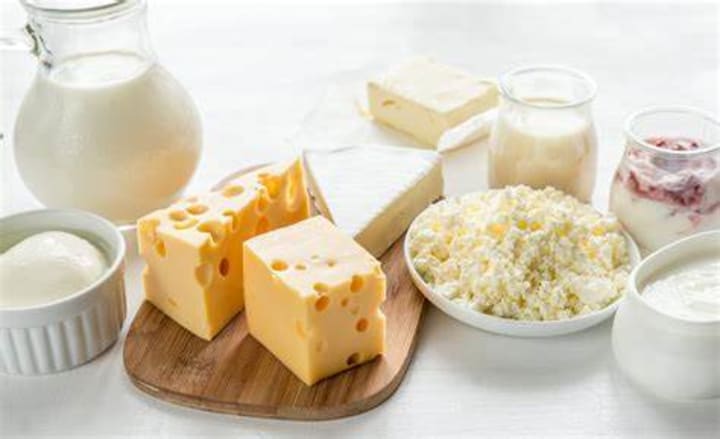
Description: Dairy products are derived from the milk of mammals, primarily cows, goats, and sheep.
Examples: Milk, cheese, butter, yogurt, cream.
Uses: Dairy products are consumed directly or used in cooking and baking. They are rich in calcium and other nutrients.
3. Eggs

Description: Eggs, particularly from chickens, are a common food source. Other bird eggs, such as those from ducks and quails, are also consumed.
Uses: Eggs are eaten on their own, used in baking, and as an ingredient in various dishes.
4. Leather

Description: Leather is made from the skins or hides of animals, primarily cows, but also from sheep, goats, pigs, and other animals.
Uses: Leather is used in clothing, footwear, accessories, furniture, and automotive interiors.
5. Wool

Description: Wool is a textile fiber obtained from sheep and other animals like goats (cashmere and mohair), rabbits (angora), and alpacas.
Uses: Wool is used to make clothing, blankets, carpets, and other textiles.
6. Honey

Description: Honey is a sweet substance produced by bees from the nectar of flowers.
Uses: Honey is used as a sweetener, in cooking, and in some medicinal applications.
7. Gelatin

Description: Gelatin is a protein obtained by boiling the skin, tendons, ligaments, and/or bones of animals, usually cows or pigs.
Uses: Gelatin is used in food products (like jelly, marshmallows, and gummy candies), cosmetics, and pharmaceuticals.
8. Fur

Description: Fur is the thick hair covering the skin of animals, particularly mammals like mink, foxes, and rabbits.
Uses: Fur is used in clothing, especially for coats and hats, although it is controversial and has been largely replaced by synthetic alternatives.
9. Silk

Description: Silk is a natural fiber produced by silkworms to form their cocoons.
Uses: Silk is used in clothing, textiles, and some medical applications.
10. Bone and Horn

Description: Bones and horns from animals can be processed into materials for various uses.
Uses: Historically, these have been used to make tools, utensils, jewelry, and decorative items.
11. Lard and Tallow

Description: Lard is rendered fat from pigs, while tallow is rendered fat from cattle or sheep.
Uses: Both are used in cooking, soap making, and as a lubricant or ingredient in industrial processes.
12. By-Products
Description: Various other substances derived from animals include blood (used in some food products and fertilizers), feathers (used in bedding and clothing), and fish oil (used in supplements and cooking).
Uses: These by-products are utilized in a range of industries, from agriculture to cosmetics.
Ethical and Environmental Considerations
The production of animal products raises various ethical and environmental concerns, including issues related to animal welfare, environmental sustainability, and the health impacts of consuming animal-derived foods. These concerns have led to the development of alternative products, such as plant-based meats, synthetic leather, and lab-grown meat.
History of Animal products:
The history of animal products is deeply intertwined with the development of human civilization, reflecting the evolving relationship between humans and animals over thousands of years. This history can be traced through various stages, from the earliest use of animal products by hunter-gatherer societies to the complex industrial systems that produce animal goods today.

Prehistoric Times: The Beginning of Animal Use
In prehistoric times, early humans were primarily hunter-gatherers who relied on animals for survival. Animal products such as meat, bones, hides, and sinews were essential for food, clothing, tools, and shelter. For instance, bones were used to make tools and weapons, while hides were used to create clothing and shelter. The domestication of animals, which began around 10,000 years ago during the Neolithic Revolution, marked a significant turning point. Animals like sheep, goats, cattle, and pigs were domesticated, providing a more reliable source of meat, milk, hides, and wool.
Ancient Civilizations: Expanding Uses
As human societies became more complex, so did the uses of animal products. In ancient civilizations like Egypt, Mesopotamia, and the Indus Valley, animals were integral to agriculture, transportation, and trade. For example, oxen were used to plow fields, while donkeys and camels were used for transportation. In addition to food, animals provided materials for clothing, parchment, and even building materials. Wool, leather, and silk became valuable commodities in trade, and the techniques for processing these materials became more sophisticated.
The Middle Ages: Diversification and Trade
During the Middle Ages, the use of animal products continued to diversify. The growth of European agriculture and the expansion of trade routes led to increased production and distribution of animal goods. Wool became a major economic driver in countries like England, leading to the development of a robust textile industry. Leather was widely used for clothing, armor, and bookbinding, while animal fats were used to produce soap and candles. The period also saw the rise of dairy farming, with cheese and butter becoming important dietary staples.
The Industrial Revolution: Mechanization and Mass Production
The Industrial Revolution in the 18th and 19th centuries brought significant changes to the production of animal products. Mechanization allowed for the mass production of goods like leather, wool, and meat, transforming them into industrial commodities. The invention of the cotton gin and other machinery reduced the reliance on animal labor in some areas, but animals remained crucial in others, such as in the transportation of goods and people. The rise of refrigeration and canning also revolutionized the meat industry, allowing for longer preservation and global distribution.
Modern Times: Industrial Farming and Ethical Concerns
In the 20th and 21st centuries, the production of animal products became increasingly industrialized. Factory farming emerged as a dominant method of raising animals for meat, dairy, and eggs, leading to unprecedented levels of production. However, this industrialization has also raised significant ethical and environmental concerns. Issues such as animal welfare, the environmental impact of large-scale farming, and the health implications of animal products have sparked debates and led to the rise of movements like vegetarianism, veganism, and sustainable farming practices.
Contemporary Trends: Alternatives and Sustainability
In response to these concerns, there has been a growing interest in alternatives to traditional animal products. This includes plant-based substitutes for meat and dairy, lab-grown meat, and sustainable farming practices that emphasize animal welfare and environmental stewardship. The market for these alternatives has grown rapidly in recent years, driven by advances in food technology and changing consumer prefer
Problem human face if they sell more animal products:
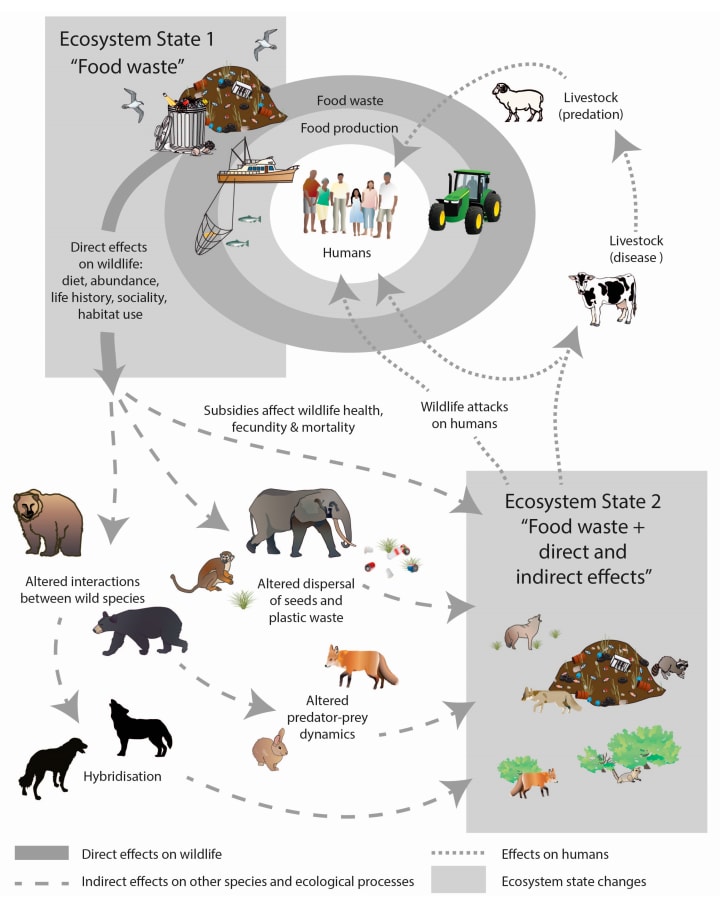
Selling more animal products can create several significant challenges, both for humans and the environment. These problems span ethical, environmental, health, and economic dimensions:
1. Environmental Degradation

Deforestation: Expanding livestock farming often requires clearing forests to create grazing land or grow feed crops like soy. This deforestation contributes to habitat loss, reduced biodiversity, and increased carbon emissions.
Greenhouse Gas Emissions: Livestock farming, particularly cattle, is a major source of methane, a potent greenhouse gas. This contributes to climate change and global warming.
Water Use and Pollution: Animal farming is water-intensive. It requires significant amounts of water for animals to drink, for cleaning, and for growing feed. Additionally, animal waste can pollute water sources, leading to dead zones in oceans and harming aquatic life.
2. Animal Welfare Concerns

Factory Farming Conditions: As the demand for animal products increases, factory farming practices often lead to crowded, inhumane conditions for animals. These conditions can result in physical and psychological suffering for animals, sparking ethical concerns about animal rights.
Cruelty in Production: Practices such as debeaking, tail docking, and confinement in small spaces are common in industrial animal farming, raising moral issues.
3. Health Issues

Antibiotic Resistance: The overuse of antibiotics in livestock to promote growth and prevent disease in overcrowded conditions can lead to antibiotic-resistant bacteria. These superbugs can cause infections in humans that are harder to treat.
Diet-Related Diseases: High consumption of animal products, particularly red and processed meats, has been linked to various health issues, including heart disease, certain cancers, and obesity.
Zoonotic Diseases: Intensive animal farming can increase the risk of zoonotic diseases, which are diseases that can be transmitted from animals to humans (e.g., avian flu, swine flu, and potentially pandemics like COVID-19).
4. Economic and Social Impacts

Small-Scale Farmers Displacement: The industrialization of animal farming can lead to the marginalization of small-scale farmers who cannot compete with large agribusinesses, leading to economic inequality and loss of livelihoods in rural communities.
Market Volatility: The global market for animal products can be highly volatile, influenced by factors like disease outbreaks, trade policies, and changing consumer preferences. This volatility can impact economies that rely heavily on livestock farming.
Food Security Concerns: The resources used to produce animal products (land, water, feed) could be more efficiently used to produce plant-based foods, potentially improving global food security.
5. Ethical and Moral Concerns

Consumer Awareness: As awareness of the ethical issues surrounding animal farming increases, consumers may demand more transparency and ethical practices. Companies that do not adapt may face backlash or loss of market share.
Cultural and Religious Implications: In some cultures and religions, the consumption and production of certain animal products are taboo or restricted. The mass production and marketing of these products can lead to cultural conflicts and ethical dilemmas.
6. Impact on Biodiversity

Habitat Loss: Expanding livestock farms often leads to habitat destruction, threatening the survival of wildlife species and disrupting ecosystems.
Overfishing: The demand for fish and seafood can lead to overfishing, which depletes fish populations, disrupts marine ecosystems, and threatens the livelihoods of communities dependent on fishing.
7. Climate Change Acceleration

Contribution to Global Warming: The livestock industry is a significant contributor to greenhouse gas emissions, particularly methane and nitrous oxide. These emissions accelerate climate change, leading to more extreme weather events, rising sea levels, and other environmental changes that affect global populations.
8. Ethical Concerns Over Genetic Modification

Genetic Engineering: To meet growing demands, animals are often genetically modified or selectively bred for specific traits, such as faster growth or increased milk production. This raises ethical concerns about the welfare of these animals and the potential long-term impacts on biodiversity.
9. Impact on Indigenous and Local Communities

Land Rights Issues: Expanding animal agriculture can lead to conflicts over land use, particularly in regions where indigenous communities rely on the land for their traditional way of life. These communities may be displaced or face loss of access to essential resources.
If human does not use animal products completely:
If humans were to completely stop using animal products, it would have far-reaching implications across various aspects of life, including health, the environment, economy, culture, and society. Here’s a breakdown of what might happen:
1. Health Implications
Nutritional Adjustments: People would need to find alternative sources for nutrients typically derived from animal products, such as protein, vitamin B12, iron, omega-3 fatty acids, and calcium. A well-planned plant-based diet can meet these needs, but it requires careful consideration to avoid deficiencies.
Potential Health Benefits: Research suggests that a plant-based diet can reduce the risk of chronic diseases like heart disease, diabetes, and certain cancers due to lower saturated fat intake and higher consumption of fruits, vegetables, and whole grains.
Challenges for Some Populations: Certain groups, such as children, pregnant women, and the elderly, may need more careful dietary planning to ensure they receive adequate nutrition without animal products.
2. Environmental Impact
Reduced Greenhouse Gas Emissions: Animal agriculture is a significant contributor to greenhouse gas emissions. Eliminating animal products could lead to a substantial reduction in emissions, helping to mitigate climate change.
Land Use Changes: Large areas of land currently used for livestock farming could be repurposed for growing crops or rewilding, which could enhance biodiversity and reduce deforestation.
Water Conservation: Livestock farming is water-intensive. A shift away from animal products would reduce water usage, potentially alleviating water scarcity in some regions.
3. Economic Consequences
Impact on Livestock Industries: Industries centered around meat, dairy, leather, wool, and other animal products would face significant declines, leading to job losses and economic restructuring.
Growth of Plant-Based Alternatives: There would likely be an expansion of industries producing plant-based foods, textiles, and other products, creating new jobs and economic opportunities.
Global Trade Shifts: Countries heavily reliant on the export of animal products would need to diversify their economies, potentially leading to shifts in global trade dynamics.
4. Cultural and Social Changes
Cultural Adaptation: Many cultures have deep-rooted traditions involving animal products, from dietary practices to clothing and rituals. Eliminating these products would require significant cultural adaptation and could face resistance.
Ethical Considerations: The movement towards not using animal products is often driven by ethical concerns regarding animal welfare. A global shift away from animal products could reflect a broader acceptance of these ethical considerations.
Changes in Dietary Patterns: Social events, holidays, and communal eating habits would evolve to accommodate plant-based alternatives, potentially leading to new culinary traditions.
5. Technological and Scientific Advancements
Innovation in Food Production: Advances in food technology, such as lab-grown meat and plant-based substitutes, would likely accelerate to meet demand for alternatives to animal products.
Sustainable Agriculture: There would be an increased focus on developing sustainable agricultural practices that maximize crop yields and minimize environmental impact.
6. Impact on Wildlife and Ecosystems
Rewilding Opportunities: Areas previously used for animal farming could be returned to natural ecosystems, potentially leading to increased biodiversity and the restoration of habitats.
Changes in Wildlife Management: Without animal farming, human-wildlife interactions might change, potentially affecting how we manage species that were once considered pests or predators of livestock.
7. Ethical and Philosophical Shifts
New Perspectives on Animals: A world without the use of animal products might lead to a fundamental shift in how humans view and interact with animals, emphasizing their intrinsic value rather than their utility to humans.
Redefining Human Diet: This shift would also challenge long-standing beliefs about human diets, potentially leading to new definitions of what constitutes a healthy, sustainable, and ethical way of living.
The complete elimination of animal products would be a complex and transformative process, requiring adaptation across many facets of society. While it presents challenges, it also offers opportunities for innovation, environmental sustainability, and ethical progress.
Disadvantages of Hunting Animals for Human Use
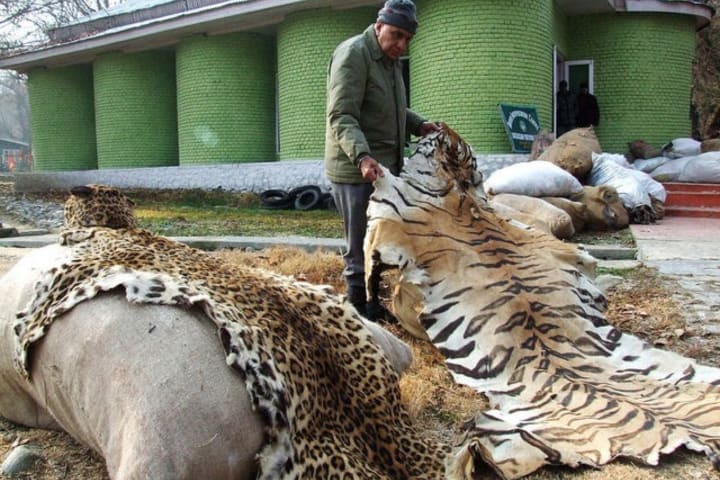
Biodiversity Loss
Endangered Species: Hunting can lead to the decline of species, especially those already at risk of extinction. When species are overhunted, their populations may not recover, leading to irreversible biodiversity loss.
Ecosystem Disruption: The removal of key species from an ecosystem can disrupt food chains, leading to cascading effects that harm other species and the environment as a whole.
Animal Welfare Concerns
Cruelty and Suffering: Hunting often results in the suffering of animals, especially if they are not killed quickly. The stress and pain inflicted on animals raise significant ethical concerns.
Disturbance to Animal Habitats: Hunting activities can disturb animals' natural habitats, causing stress, displacement, and even harm to non-target species.
Environmental Impact
Habitat Destruction: Hunting can contribute to habitat destruction, particularly when hunters build access roads or camps in remote areas, leading to deforestation and habitat fragmentation.
Poaching and Illegal Hunting: Even regulated hunting can give rise to poaching, where animals are killed illegally, often leading to severe consequences for wildlife populations.
Social and Cultural Consequences
Loss of Indigenous Practices: In some cases, the commercial exploitation of hunting can overshadow or erode traditional, sustainable hunting practices of indigenous communities.
Conflict with Conservation Efforts: Hunting, especially trophy hunting, often conflicts with global conservation efforts aimed at protecting wildlife.
Economic Drawbacks
Short-term Gain vs. Long-term Loss: While hunting can provide short-term economic benefits (e.g., through the sale of hunting licenses or animal products), it often leads to long-term losses in biodiversity, which can harm tourism, ecosystem services, and local communities dependent on wildlife.
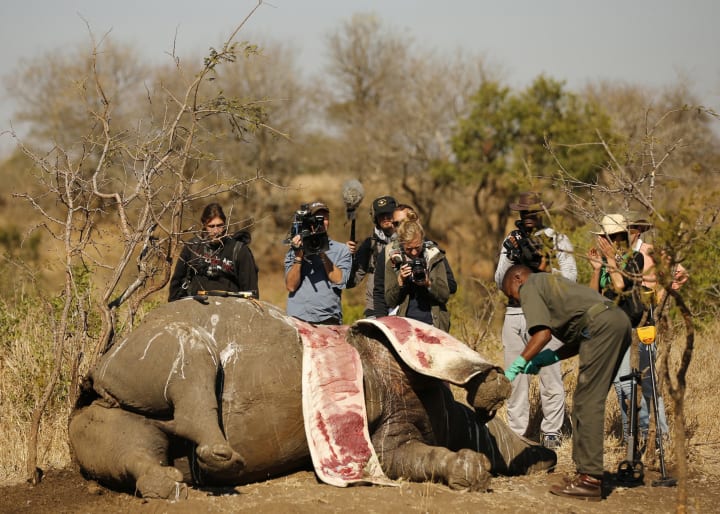
Ways to Stop or Reduce Hunting
Strengthening Legal Frameworks
Stricter Regulations: Enforce stricter laws and regulations to control hunting, including quotas, hunting seasons, and protected areas where hunting is prohibited.
Banning Trophy Hunting: Implement bans on trophy hunting, particularly for endangered species, to discourage the killing of animals for sport.
International Cooperation: Enhance international cooperation to combat illegal hunting and wildlife trafficking by enforcing treaties such as the Convention on International Trade in Endangered Species (CITES).
Promoting Alternative Livelihoods
Eco-tourism: Develop eco-tourism initiatives that provide economic alternatives to hunting. This can include wildlife photography, safaris, and conservation volunteering.
Sustainable Agriculture: Encourage sustainable agricultural practices that reduce the need for hunting as a source of food or income, especially in rural areas.
Education and Awareness
Public Awareness Campaigns: Launch campaigns to educate the public about the negative impacts of hunting on wildlife and ecosystems, promoting empathy towards animals and respect for nature.
Community Involvement: Engage local communities in conservation efforts, making them stakeholders in protecting wildlife rather than exploiting it.
Conservation Initiatives
Wildlife Sanctuaries: Establish and maintain wildlife sanctuaries and protected areas where hunting is prohibited and wildlife can thrive undisturbed.
Rehabilitation Programs: Implement programs to rehabilitate and reintroduce hunted species into the wild, helping to restore population numbers.
Use of Technology
Monitoring and Surveillance: Use advanced technology, such as drones and GPS tracking, to monitor wildlife populations and detect illegal hunting activities.
Anti-poaching Technology: Deploy anti-poaching technologies, including camera traps, to prevent illegal hunting and track offenders.
Ethical Consumer Choices
Support Alternatives: Encourage consumers to choose products that do not involve animal hunting, such as plant-based foods, synthetic materials, and eco-friendly goods.
Promote Sustainable Practices: Support brands and companies that engage in sustainable practices and avoid those that contribute to wildlife exploitation.
Incentivizing Conservation
Conservation Credits: Implement conservation credit systems where individuals or companies can earn credits for contributing to wildlife conservation, which can be traded or sold.
Tax Incentives: Offer tax incentives or subsidies for businesses and communities that engage in wildlife protection and conservation efforts.
Consume natural products without disturbing biodiversity:
Consuming natural products in a way that minimizes the impact on biodiversity is crucial for maintaining healthy ecosystems and ensuring the sustainability of natural resources. Here are strategies to consume natural products responsibly:
1. Choose Sustainably Sourced Products
Certified Products: Look for certifications such as Fair Trade, Rainforest Alliance, or Marine Stewardship Council, which ensure that the products are harvested sustainably without harming ecosystems.
Support Local and Indigenous Practices: Purchase products that are sourced through traditional and indigenous practices, which often emphasize sustainable harvesting methods.
2. Opt for Renewable Resources
Use Plants Over Animals: When possible, choose plant-based products over animal products, as plant harvesting typically has a lower impact on biodiversity.
Focus on Fast-Growing Species: Opt for products made from fast-growing or abundant species, reducing the pressure on slower-growing, more vulnerable species.
3. Avoid Overharvested or Endangered Species
Check Conservation Status: Before purchasing natural products, check whether the species is endangered or overharvested using resources like the IUCN Red List.
Educate Yourself on Sustainable Alternatives: Learn about and choose alternatives to products made from endangered species. For example, choose synthetic alternatives to ivory or herbal substitutes for endangered medicinal plants.
4. Support Organic and Regenerative Agriculture
Organic Farming: Choose products from organic farms that avoid the use of harmful pesticides and fertilizers, which can damage biodiversity.
Regenerative Practices: Support regenerative agriculture practices that enhance soil health, promote biodiversity, and restore ecosystems.
5. Reduce Waste and Consumption
Buy Only What You Need: Minimize waste by purchasing only the amount of natural products you need, reducing the demand on natural resources.
Use Entire Products: Utilize the entire product to avoid unnecessary waste. For example, use all parts of a plant (e.g., roots, leaves, stems) when possible.
6. Promote Ethical Wild Harvesting
Harvest Responsibly: If you collect natural products yourself, ensure that you follow sustainable harvesting guidelines, such as taking only what you need, leaving enough for regeneration, and avoiding damage to the surrounding ecosystem.
Seasonal Harvesting: Harvest products at the right time of year to ensure that species have time to reproduce and replenish.
7. Encourage Conservation Initiatives
Support Conservation Projects: Purchase from companies or organizations that actively contribute to conservation efforts, such as reforestation, habitat restoration, or wildlife protection.
Contribute to Conservation Funds: Donate to or participate in programs that protect endangered species and promote biodiversity.
8. Minimize Packaging and Transportation Impact
Buy Locally: Purchasing locally-sourced natural products reduces the carbon footprint associated with transportation and supports local economies.
Eco-friendly Packaging: Choose products with minimal or biodegradable packaging to reduce environmental impact.
9. Educate and Advocate
Spread Awareness: Educate others about the importance of biodiversity and the impact of unsustainable consumption. Advocacy can lead to broader changes in consumer behavior and industry practices.
Support Policy Changes: Advocate for policies that promote sustainable harvesting, protect endangered species, and enforce biodiversity conservation.
10. Participate in Biodiversity Monitoring
Citizen Science: Engage in citizen science projects that monitor biodiversity and the impact of harvesting practices on local ecosystems.
Feedback to Producers: Provide feedback to companies and producers about the importance of sustainable practices, encouraging them to adopt more biodiversity-friendly methods.
Conclusion
Consuming natural products in a way that protects biodiversity requires mindfulness and intentional choices. By prioritizing sustainably sourced products, reducing waste, supporting conservation efforts, and advocating for ethical practices, consumers can enjoy natural products without harming the ecosystems that produce them.
About the Creator
Keep reading
More stories from Mohammed thanvir and writers in Earth and other communities.
UMich Study Predicts Rising Human-Wildlife Overlap by 2070
Summary: A recent study conducted by the University of Michigan has forecasted significant increases in human-wildlife overlap across the planet by the year 2070. The research suggests that more than half of Earth's land surface will experience intensified interactions between human populations and wildlife due to a combination of factors such as urban expansion, agricultural development, and climate change. Key findings from the study indicate that as human populations grow and expand into previously undeveloped areas, wildlife habitats are increasingly encroached upon. This expansion not only disrupts ecosystems but also brings humans and wildlife into closer contact, leading to higher risks of conflicts, the spread of zoonotic diseases, and biodiversity loss. The study also highlights the potential consequences of these changes, including increased competition for resources, altered migration patterns of animals, and heightened risks to both human safety and wildlife conservation efforts. The researchers call for urgent measures to manage this overlap, including better land-use planning, wildlife corridors, and sustainable development practices to mitigate the impacts on both humans and wildlife. The findings of this study serve as a crucial warning for policymakers, conservationists, and urban planners to consider long-term strategies that balance human development with the preservation of natural ecosystems. Without such efforts, the increasing human-wildlife overlap could have far-reaching consequences for global biodiversity and human well-being.
By Mohammed thanvirabout a year ago in Earth
In Maduro’s Capture, Russia Sees a Great-Power Rival Act with Impunity
The world watched in early 2026 as U.S. special forces struck in Venezuela and captured President Nicolás Maduro. It was a dramatic move that upended politics in Caracas — and sent shockwaves through Moscow. For Russia, Maduro wasn’t just an ally; he was a key piece in a global chess game stretching from Latin America to the Middle East. His capture has forced Russian strategists to reconsider how far they can project power — and what it means when a rival acts seemingly without consequence. A Blow to Russian Influence Venezuela has long been one of Russia’s few footholds in the Western Hemisphere. Moscow supplied weapons, energy investments, loans, and political backing to Maduro. The goal was simple: counterbalance U.S. influence and maintain a strategic ally near American borders. Maduro’s capture has changed that calculus. Russia’s foreign ministry condemned the operation as “armed aggression” and demanded respect for Venezuela’s sovereignty. At the same time, Moscow backed Delcy Rodríguez as interim leader, framing it as support for Venezuela’s self-determination. But behind the formal statements, analysts suggest Moscow is feeling the sting. The U.S. operation was fast and effective — a stark contrast to Russia’s costly, prolonged campaigns elsewhere. For many, it exposed gaps in Russia’s ability to defend its allies abroad. The Kremlin’s Dilemma Inside Russia, commentators and analysts are debating what Maduro’s capture says about global power dynamics. Some see it as a glaring demonstration of U.S. military reach. Others point out the hypocrisy of international law, given Russia’s own record in Ukraine. But the underlying concern is strategic. Venezuela was one of the few places where Russia could claim a geopolitical win outside Europe and the Middle East. Losing leverage over Caracas diminishes Russia’s influence in energy markets, political alliances, and the narrative of great-power competition. A New Era of Great-Power Competition Russian experts are framing the event as evidence that international norms are eroding. In their view, powerful nations now act where it suits them, regardless of global rules — a logic Russia often uses to justify its own interventions. The U.S. capture of Maduro, framed as a law-enforcement operation targeting corruption and drug trafficking, has inadvertently reinforced Moscow’s messaging: great powers act with impunity. It’s a convenient narrative for Russian state media, even if the reality exposes Russia’s own limitations. Economic and Strategic Consequences Maduro’s removal isn’t just political; it has economic ramifications for Russia. Caracas was part of OPEC+ and home to joint energy ventures. U.S. access to Venezuelan resources could impact oil markets, squeezing Moscow’s budget further. Other projects, from weapons sales to industrial partnerships, now face uncertainty. What was once a partnership built on mutual opposition to the U.S. may now be a casualty of American assertiveness. Domestic Perception in Russia How Russians perceive the operation matters as much as the operation itself. Some voices call for a tougher stance to defend Moscow’s allies. Others acknowledge the gap between Russian and American capabilities. This debate influences both public sentiment and the Kremlin’s policy decisions. It shapes how Russians see their country’s role in the world — whether as a global power able to project influence, or a state constrained by geography, economy, and international reaction. What This Means for Global Politics Maduro’s capture is more than a headline. It signals a shift in global power dynamics. For the U.S., it shows the willingness to project force far from home. For Russia, it underscores limits in influence and credibility. Moscow may continue to use this event in propaganda and rhetoric, but the reality is stark: words without action may not sustain alliances or deter rivals. The event also raises questions about the rules-based international system. If powerful countries intervene militarily at will, what does that mean for global stability? The Takeaway Russia’s reaction to Maduro’s capture reflects a broader truth: modern power is measured not just by intent, but by capability. Russia may want to project global influence, but when rivals act decisively, even long-standing allies can be lost. Maduro’s removal also highlights a changing world order. Great powers no longer operate in isolated theaters. Every move, whether in Latin America or elsewhere, is scrutinized and reverberates globally. For Moscow, the message is clear: ambitions must match capability. For the world, it’s a reminder that power without action is only potential — while decisive, well-resourced rivals can act with apparent impunity.
By Muhammad Hassan7 days ago in Earth
Tea of Silence
The snow had covered the hills for days, turning the land into a quiet white world where sound seemed afraid to exist. On the highest of these hills, beneath a dry, leafless tree, a young man sat alone. The tree had long ago lost its strength, its branches thin and broken, but it still stood, as if refusing to disappear. The young man chose this place often, not because it was comfortable, but because it was honest.
By Bilal Mohammadi3 days ago in Earth




Comments
There are no comments for this story
Be the first to respond and start the conversation.