
73% drop in wildlife population since 1970 and the reason is shocking
Declining

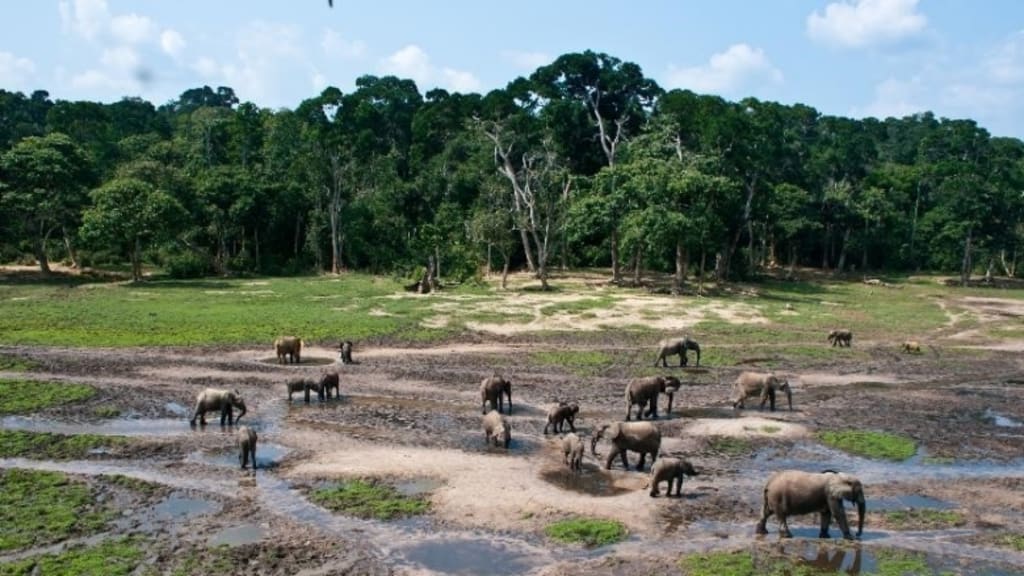
A 73% drop in wildlife populations since 1970 is an alarming statistic that underscores the devastating impact human activities have had on global biodiversity. According to the World Wildlife Fund's (WWF) Living Planet Report, which analyzes trends in population sizes of thousands of monitored vertebrate species (mammals, birds, amphibians, reptiles, and fish), this dramatic decline signals an urgent biodiversity crisis.
Here’s a detailed breakdown of the reasons behind this shocking trend, along with a discussion of its implications and potential solutions:
1. Key Drivers of Wildlife Population Decline
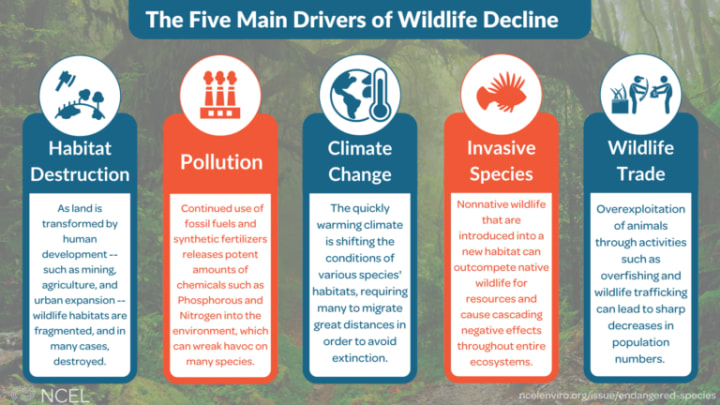
The primary factors contributing to the 73% drop in wildlife populations are human-induced and interconnected, making the challenge of reversing this trend complex:
a. Habitat Loss and Degradation
Deforestation, Agriculture, and Urban Expansion: The conversion of forests, grasslands, wetlands, and other natural habitats for agricultural purposes, infrastructure development, and urban sprawl has significantly reduced the natural environments that species depend on for survival.
Impact on Species: Many species, especially those that are habitat-specific, face increased competition for space, food, and breeding sites, leading to population declines. Tropical regions, in particular, have been heavily impacted, with deforestation in the Amazon rainforest and Southeast Asia's forests causing severe habitat fragmentation.
b. Overexploitation of Wildlife
Hunting, Fishing, and Poaching: Unsustainable hunting and fishing practices, as well as illegal poaching, have driven numerous species to the brink of extinction. Overfishing has depleted marine life populations, while the illegal wildlife trade targets species like elephants, rhinos, and pangolins.
Economic and Cultural Factors: In some regions, wildlife exploitation is driven by demand for luxury goods (e.g., ivory, fur), traditional medicines, or as a source of protein, putting immense pressure on species populations.
c. Pollution
Chemical Pollution: Pesticides, herbicides, heavy metals, and industrial pollutants can poison wildlife and disrupt ecosystems. For example, pesticide runoff into rivers can harm aquatic life, while plastic pollution in the oceans entangles marine animals or is ingested, leading to fatal consequences.
Nutrient Pollution: Excess nutrients from agricultural runoff cause harmful algal blooms in water bodies, creating "dead zones" where oxygen levels are too low to support marine life.
d. Climate Change
Rising Temperatures and Extreme Weather: Climate change is altering habitats and ecosystems, forcing species to adapt, migrate, or face extinction. For example, polar bears struggle to hunt due to the shrinking Arctic sea ice, while coral reefs face mass bleaching from warmer ocean temperatures.
Shifts in Ecological Relationships: Changes in temperature and precipitation patterns can disrupt breeding, migration, and feeding patterns, affecting species interactions and survival.
e. Invasive Species
Competition, Predation, and Disease: Non-native species introduced to new environments often outcompete or prey on native species, leading to population declines. Invasive species can also introduce new diseases to which local wildlife may have no resistance.
Globalization and Human Movement: The global trade and movement of people facilitate the spread of invasive species, impacting biodiversity in previously isolated ecosystems.
2. Regional Impact and Variation
The severity of wildlife population decline varies across regions. The highest declines have been recorded in Latin America and the Caribbean, where vertebrate populations have plummeted by over 90%, largely due to deforestation, agricultural expansion, and illegal wildlife trade. Africa, Asia, and the Pacific regions have also experienced significant declines driven by similar pressures, including poaching and habitat loss.
3. Consequences of the Decline
The loss of wildlife has far-reaching ecological, social, and economic implications:
a. Ecological Impact
Loss of Ecosystem Services: Healthy wildlife populations contribute to ecosystem services such as pollination, seed dispersal, pest control, and nutrient cycling. The decline of species can weaken these services, making ecosystems less resilient.
Trophic Cascades: The extinction or reduction of keystone species can trigger cascading effects throughout the food chain, disrupting entire ecosystems.
b. Human Well-being and Livelihoods
Impacts on Indigenous and Local Communities: Many communities around the world rely directly on wildlife for food, medicine, and cultural practices. The decline in species abundance threatens traditional lifestyles and food security.
Economic Consequences: Ecotourism and natural resource-based economies may suffer as wildlife populations decline. For example, countries that rely on tourism centered around iconic species like elephants, lions, or coral reefs may experience economic downturns.
c. Health Risks
Emerging Infectious Diseases: The disruption of natural ecosystems can increase the spread of zoonotic diseases (those that can be transmitted from animals to humans), as humans come into closer contact with wildlife.
4. Efforts and Strategies for Reversing the Trend
To address the biodiversity crisis, a multipronged approach is necessary. Conservation efforts must target both the direct and indirect drivers of wildlife population decline:
a. Protected Areas and Habitat Restoration
Expansion and Management of Protected Areas: Establishing more protected areas and improving the management of existing ones can help conserve habitats and biodiversity. This includes enforcing anti-poaching laws and preventing illegal logging.
Restoration Projects: Reforestation, wetland restoration, and other initiatives can help recover degraded ecosystems, providing more space and resources for wildlife to thrive.
b. Sustainable Resource Use
Adopting Sustainable Fishing and Hunting Practices: Regulating fishing and hunting, setting quotas, and promoting sustainable practices can help reduce pressure on wildlife populations.
Sustainable Agriculture: Implementing practices that minimize habitat destruction and pollution, such as agroforestry and organic farming, can mitigate negative impacts on ecosystems.
c. Combating Illegal Wildlife Trade
Strengthening Laws and International Cooperation: Enhancing enforcement of wildlife protection laws and fostering international collaboration to dismantle wildlife trafficking networks is crucial.
Public Awareness Campaigns: Educating the public about the impacts of the illegal wildlife trade and reducing demand for wildlife products can also play a role.
d. Climate Change Mitigation and Adaptation
Reducing Greenhouse Gas Emissions: Addressing climate change through policies that reduce emissions can help alleviate its impact on wildlife.
Climate-Resilient Conservation Strategies: Conservation plans should account for changing climatic conditions and focus on preserving corridors that allow species to migrate to suitable habitats.
e. Addressing Invasive Species
Early Detection and Rapid Response: Programs aimed at identifying and managing invasive species early can prevent them from establishing and spreading.
Restoration of Native Species: In areas where invasive species have caused significant harm, efforts can be made to reintroduce native species and restore ecosystem balance.
5. Global Agreements and Policy Frameworks
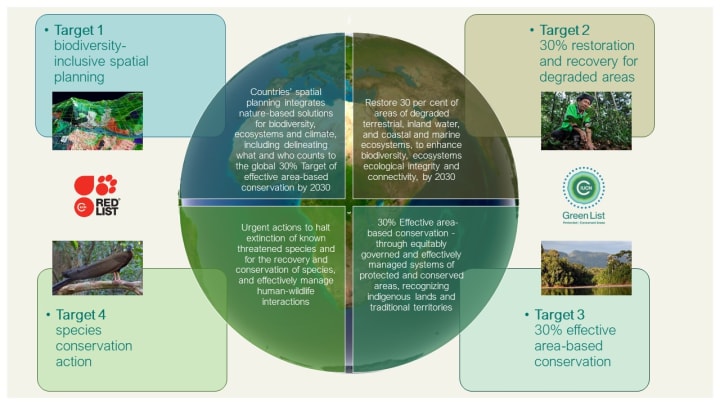
International cooperation is crucial for tackling wildlife population declines. Key frameworks include:
The Convention on Biological Diversity (CBD): This international agreement aims to conserve biodiversity, promote sustainable use of its components, and ensure fair sharing of benefits arising from genetic resources.
The Paris Agreement on Climate Change: Though primarily focused on reducing greenhouse gas emissions, this agreement also has implications for biodiversity conservation by addressing the impacts of climate change on ecosystems.
The UN Sustainable Development Goals (SDGs): Several SDGs, including those related to life on land (SDG 15) and life below water (SDG 14), aim to halt biodiversity loss and promote sustainable resource use.
6. The Role of Individuals and Communities
While government policies and international agreements play a significant role, individuals and communities can also contribute to conservation efforts:
Lifestyle Changes: Reducing waste, minimizing energy use, and opting for sustainable products can decrease pressure on ecosystems.
Supporting Conservation Organizations: Donating to, volunteering with, or advocating for conservation groups can amplify efforts to protect wildlife.
Participating in Citizen Science Projects: Community involvement in monitoring local wildlife, reporting illegal activities, and supporting habitat restoration projects can have a direct impact.
7. Looking Forward: The Path to Recovery
The 73% decline in wildlife populations since 1970 reflects a biodiversity crisis of unprecedented scale. However, it is not too late to reverse this trend. Achieving meaningful recovery will require:
Ambitious Conservation Targets: Governments and organizations must set and meet targets for biodiversity conservation, such as those outlined in the post-2020 Global Biodiversity Framework.
Integrating Biodiversity into Economic Planning: Conservation should not be seen as separate from economic development. Sustainable use of natural resources should be integrated into planning processes at all levels.
Technological and Scientific Innovation: Advances in technology, such as satellite monitoring, genetic research, and data-driven conservation strategies, can help identify and mitigate threats more effectively.
Ultimately, addressing the decline in wildlife populations demands a concerted global effort. By understanding the interconnected nature of the drivers behind this alarming trend and taking comprehensive action to tackle them, we can work toward halting the decline and restoring wildlife populations for future generations.
About the Creator
Keep reading
More stories from Mohammed thanvir and writers in Proof and other communities.
Foxes as a Potential Solution for Peacock Population Control in Tamil Nadu and The Decline of Foxes in Tamil Nadu: Causes and Consequences
Introduction: The state of Tamil Nadu in India is renowned for its rich biodiversity, encompassing a variety of flora and fauna. Among its many inhabitants, the peacock (Indian peafowl) holds a special place as the national bird of India and a symbol of grace and beauty. However, in recent years, concerns have arisen regarding the burgeoning peacock population and its impact on the local ecosystem. In this blog post, we will explore the role of foxes in potentially mitigating this issue and discuss the implications of such a strategy.
By Mohammed thanvir2 years ago in Proof
Cultivating Presence and Awareness in Daily Life
Presence and awareness are the foundations of a calm and centered mind. They invite us to live fully in the moment, noticing what is happening inside and around us without judgment. When we cultivate presence, we open ourselves to the simple reality of now, freeing ourselves from worries about the past or future.
By Black Mark5 days ago in Proof
Subtle Memory Drinks: Cocktails That Whisper to Your Mind
Non-judgmental awareness is a gentle way of paying attention to your present experience without labeling it as good or bad. It invites you to notice thoughts, feelings, and sensations as they arise, simply as they are. This practice helps create space between you and your reactions, allowing calm and clarity to grow.
By Sofia Mertinezz7 days ago in Proof




Comments
There are no comments for this story
Be the first to respond and start the conversation.