politics
Politics does not dictate our collective cultural mindset as much as it simply reflects it; We've got to look in the mirror sometimes, and we've got one.
Why Does Canada Have Such High Rates of Forced Psychiatric Hospitalizations?. AI-Generated.
Mental health care is a crucial component of any healthcare system, and in recent years, many countries, including Canada, have made significant strides in addressing mental health challenges. However, despite efforts to improve mental health care and reduce stigma, Canada is facing a concerning trend: high rates of forced psychiatric hospitalizations. This issue has raised numerous questions about the country’s mental health care system, its legal framework, and the ethical implications of involuntary treatment. Understanding Forced Psychiatric Hospitalizations Involuntary or forced psychiatric hospitalization refers to the practice of admitting individuals to a psychiatric facility without their consent due to concerns about their mental health and safety. In Canada, this can happen under specific conditions, usually when an individual is deemed to be a danger to themselves or others due to a mental illness. Forced hospitalizations typically occur in cases of severe mental illness, such as schizophrenia, bipolar disorder, or severe depression, where the individual’s judgment may be impaired. Canada’s legal framework, which includes provincial and territorial mental health acts, outlines the criteria under which an individual can be involuntarily hospitalized. These acts are designed to balance individual rights with the need to protect those who may pose a risk to themselves or others due to mental illness. The High Rates of Involuntary Hospitalizations in Canada One of the most concerning aspects of this issue is the disproportionately high rate of involuntary hospitalizations in Canada compared to other countries. According to recent studies and reports, Canada has one of the highest rates of forced psychiatric admissions among Western nations. For example, a study published in the Canadian Journal of Psychiatry revealed that more than one-third of psychiatric hospitalizations in Canada were involuntary, which is significantly higher than the rates seen in other developed countries. Several factors contribute to this high rate, and they range from systemic issues within the healthcare system to societal and legal challenges. 1. Overburdened Mental Health System Canada’s mental health care system is often criticized for being underfunded and overburdened. While the country has made substantial investments in healthcare, mental health care remains a low priority in many provinces. This lack of resources leads to long wait times for treatment, limited access to mental health professionals, and an insufficient number of inpatient psychiatric beds. As a result, individuals with serious mental health issues may be placed in psychiatric facilities as a last resort when outpatient care and community-based services are unavailable or inadequate. The lack of resources also means that mental health professionals are often forced to make difficult decisions. In some cases, patients who could benefit from outpatient care are admitted involuntarily to ensure they receive the care they need, even if this leads to ethical and human rights concerns. 2. Legal Framework and Involuntary Hospitalization Laws The legal framework governing involuntary psychiatric hospitalizations varies across provinces and territories in Canada. However, the criteria for forced hospitalization generally remain consistent: a person must pose a risk to themselves or others due to mental illness, and their treatment cannot be provided effectively in a less restrictive environment. While the legal framework aims to protect individuals from harm, some argue that the criteria for involuntary hospitalization are too broad and are being applied too frequently. Critics contend that the threshold for what constitutes a danger to oneself or others can be subjective, and the decision to admit someone involuntarily is often made without sufficient safeguards to protect their rights. For example, some individuals may be hospitalized against their will simply for behaviors associated with their mental illness, such as refusing treatment or expressing suicidal thoughts, even if they do not pose an imminent danger to themselves or others. This raises concerns about the potential for overuse of involuntary hospitalization, especially for marginalized populations. 3. Stigma and Discrimination Against Mental Illness Another factor contributing to high rates of forced psychiatric hospitalizations in Canada is the stigma surrounding mental illness. People living with mental health conditions are often treated as dangerous or unpredictable, which can lead to overprotective responses from healthcare providers, families, and the general public. This stigma may contribute to a culture of over-medicalization, where individuals with mental health issues are more likely to be hospitalized involuntarily instead of being offered community-based support or treatment options. Additionally, systemic discrimination, particularly against Indigenous peoples and racial minorities, can exacerbate the issue. Indigenous individuals in Canada, for example, are overrepresented in the psychiatric system and are more likely to experience forced hospitalizations. This disparity can be attributed to various social determinants of health, including poverty, historical trauma, and discrimination. 4. Lack of Community-Based Mental Health Support A major barrier to reducing involuntary hospitalizations is the lack of community-based mental health services. In many parts of Canada, mental health care is still heavily focused on institutionalized settings, rather than on outpatient services or community-based support networks. This gap in services leaves people with few options when they need help but do not require hospitalization. Consequently, many individuals are admitted to psychiatric hospitals as a way to ensure they receive care, even if it may not be the most appropriate option for their long-term well-being. 5. The Need for Reform Addressing the issue of high rates of forced psychiatric hospitalizations in Canada requires comprehensive reforms. This includes investing in community-based mental health services, increasing the availability of outpatient care, improving access to early intervention programs, and reducing the stigma surrounding mental illness. Additionally, it is crucial to ensure that the legal framework for involuntary hospitalization is clear, transparent, and consistently applied, with sufficient safeguards in place to protect individuals' rights. Conclusion: Moving Toward a More Compassionate Mental Health System The high rates of forced psychiatric hospitalizations in Canada are a complex issue that reflects deeper systemic problems within the country’s mental health care system. While involuntary hospitalization may be necessary in some cases to protect individuals, the overuse of this practice can have serious consequences for patients' dignity and autonomy. To address this issue, Canada must prioritize mental health reform, focusing on creating a more compassionate, inclusive, and accessible system that emphasizes early intervention, community support, and the reduction of stigma. Only through comprehensive reform can the country ensure that individuals living with mental health conditions receive the care they deserve in the least restrictive and most supportive environment possible.
By Fiaz Ahmed Brohi27 days ago in The Swamp
The Night a Song Brought Me Back to Myself
I didn’t watch the special for the spectacle. I watched because I needed to hear the song again. Not the version from the movie trailer or the TikTok clip. The one that lived in my bones—the one I’d hummed under my breath during chemo, during layoffs, during the long winter after my divorce. The song that said: It’s okay to be different. It’s okay to fall. It’s okay to rise anyway.
By KAMRAN AHMAD27 days ago in The Swamp
Forget Burj Khalifa and Shanghai Tower: Saudi Arabia Readies a 1km-Tall Skyscraper. AI-Generated.
Saudi Arabia has taken another bold step toward reshaping the skyline with its plan to build a monumental 1-kilometer-tall skyscraper, aiming to surpass iconic structures like the Burj Khalifa and Shanghai Tower. The project, known as the Jeddah Tower, is not just about breaking records—it's about signaling the country's ambitions for the future, positioning it as a global center for business, culture, and technology. Ambitious Vision for the Future The vision for a 1-kilometer-high skyscraper in Jeddah comes as part of Saudi Arabia's broader plan for diversification under its Vision 2030 initiative. While the country is widely recognized for its oil wealth, Vision 2030 seeks to reduce its dependency on oil by investing in various sectors such as technology, tourism, and entertainment. The Jeddah Tower is intended to be a symbol of this transformation—an audacious architectural statement that signals Saudi Arabia's forward-thinking agenda. The skyscraper will be the centerpiece of a new development project called the Jeddah Economic City, which aims to revitalize the area and create a modern urban center. This new district will blend cutting-edge technology with luxury living and serve as a hub for international trade and tourism, further driving economic growth and diversification. Design and Engineering Marvel Designed by renowned architect Adrian Smith, who is also behind the Burj Khalifa, the Jeddah Tower will feature a sleek, modern design that draws inspiration from traditional Islamic architecture. The tower will have a unique and aerodynamic shape, with a pointed tip that seems to pierce the sky. Its reflective glass façade will change in color and intensity depending on the time of day and the angle of sunlight, making it a dynamic feature in the Jeddah skyline. The construction of the Jeddah Tower presents numerous engineering challenges. Building a structure of this height requires not just innovative design but also cutting-edge materials and advanced engineering techniques. The tower will feature a high-strength concrete core, specially designed to withstand the extreme wind pressures that come with such immense heights. Additionally, the foundation needs to be deep and solid, due to the tower’s weight and the challenging ground conditions in the region. The tower’s construction is being carried out by the Saudi Binladin Group, with the project expected to be completed in phases. The building is set to include a range of uses, from luxury residences and offices to high-end hotels and commercial spaces. It will also feature an observation deck offering breathtaking views of Jeddah and the Red Sea. Economic and Cultural Impact The construction of a 1-kilometer-high tower in Jeddah represents more than just a physical structure—it’s a strategic move in positioning Saudi Arabia as a key player in the global economy. The tower is expected to become a major tourist attraction, drawing visitors from around the world who are eager to experience the tallest building on the planet once completed. Moreover, the Jeddah Tower project aims to create thousands of jobs during its construction and in the years following its completion. It will also contribute significantly to the development of the local economy by attracting multinational corporations, investors, and professionals seeking a modern and dynamic business environment. The tower’s design and the surrounding development area will embrace elements of Saudi Arabia’s rich culture and heritage, incorporating public spaces for art exhibitions, cultural events, and leisure activities. As such, it will not only be a business hub but also a center for cultural exchange, where international visitors and locals alike can interact and learn from one another. The Competition: Can It Surpass Burj Khalifa? Currently, the Burj Khalifa in Dubai holds the title of the world's tallest building at 828 meters. However, the Jeddah Tower’s ambitious 1-kilometer height would more than double that. With its completion, Saudi Arabia would be stepping into uncharted territory, leaving behind the tallest skyscrapers of the past and setting a new standard for architectural achievement. However, there are challenges to overcome. The Burj Khalifa was not built without its own setbacks, with years of delays and challenges along the way. While the Jeddah Tower is set to rise higher, its journey is bound to face similar hurdles, ranging from funding issues to geopolitical tensions. Still, Saudi Arabia’s leadership is committed to making this ambitious dream a reality. The country has the financial backing and political will to push forward, even in the face of global economic uncertainties. The Jeddah Tower, when completed, will stand as an enduring symbol of the country’s vision for growth and modernization. Conclusion: A Monumental Step for Saudi Arabia’s Vision 2030 The Jeddah Tower will be a defining landmark, not only for Saudi Arabia but for the world. As the country shifts from oil-dependency to a more diversified economy, this massive skyscraper is a statement of its evolving identity on the global stage. The tower will serve as a beacon of innovation and aspiration, showing the world that Saudi Arabia is not just looking towards the future, but is actively building it—one mile-high structure at a time.
By Fiaz Ahmed Brohi27 days ago in The Swamp
Finland Makes Progress in Cable Breach Investigation: Police Report New Developments. AI-Generated.
Finland is making significant strides in its investigation into a breach of undersea cables that has raised alarms within the country and beyond. The case, which involves the disruption of vital international communication and energy infrastructure, is gaining traction due to its potential geopolitical implications and the growing concern over cybersecurity vulnerabilities.
By Fiaz Ahmed Brohi27 days ago in The Swamp
China Receives 22 Shipments of LNG from Sanctioned Russian Projects in 2025: A Strategic Energy Partnership Amid Geopolitical Tensions. AI-Generated.
In 2025, a significant shift in global energy markets is unfolding as China has received 22 shipments of liquefied natural gas (LNG) sourced from Russian projects that have been sanctioned by the international community. This move, amidst ongoing geopolitical tensions, signals a deeper strategic alliance between the two nations as they navigate the complexities of global energy supply chains, sanctions, and economic cooperation. Sanctions on Russia: A Game of Geopolitics and Energy The international community, led by the United States and European Union, has imposed severe sanctions on Russia following its invasion of Ukraine in 2022. These sanctions have impacted various sectors of the Russian economy, including its energy industry, one of the largest sources of revenue for the country. Russian energy giants, particularly in the natural gas sector, have faced restrictions that have isolated them from the western markets. However, despite these sanctions, Russia has found an ally in China, which has gradually expanded its energy relationship with Moscow. China, being the world’s largest importer of natural gas, has become a key player in Russia’s energy strategy, providing a market for the LNG that would otherwise go unsold due to western sanctions. In 2025, the 22 shipments of LNG represent a growing trend in China's energy diversification strategy, which aims to reduce its dependence on other regional suppliers and foster deeper ties with Russia. A Strategic Energy Partnership: China and Russia This ongoing energy cooperation between China and Russia is not merely a temporary arrangement but a long-term strategy that has been evolving over the past several years. China’s demand for energy is immense, and securing stable, long-term sources of energy is critical to its growing economy. Russia, on the other hand, seeks to circumvent the economic isolation imposed by the West, and energy exports provide a vital lifeline for the Russian economy. The flow of LNG from Russia to China, especially from projects that are sanctioned by the West, highlights the way these two countries are navigating the global energy market. For China, this partnership is not just about securing energy resources but also about positioning itself as a major geopolitical player. By buying LNG from Russian projects, China is reinforcing its ties with Russia while simultaneously demonstrating its ability to operate independently from the West, which is essential for its long-term strategic goals. The Impact on Global Energy Markets The 22 LNG shipments from sanctioned Russian projects represent a significant portion of China’s natural gas imports. As of 2025, China has become the primary destination for Russian energy exports, and this shift in trade patterns has had ripple effects across the global energy landscape. The growth of LNG exports from Russia to China has contributed to higher global LNG prices, as Western countries seek alternative suppliers to offset their loss of access to Russian energy. Furthermore, China’s increased reliance on Russian LNG is reshaping energy supply chains. With the West increasingly shunning Russian energy, countries like India, Turkey, and certain Southeast Asian nations are also turning to Russia for their energy needs, further isolating Russia from European and North American markets. The energy dynamics between China and Russia could lead to a more fragmented global energy market, where power shifts away from traditional energy players such as the United States and the EU. The Role of Geopolitics in Energy Decisions Geopolitical considerations play a pivotal role in shaping the energy relationship between China and Russia. While the energy trade between the two countries is driven by economic factors, it is also influenced by broader political motives. For Russia, the strategic value of the energy partnership with China lies in its ability to diversify its exports and reduce dependence on European markets, which have been increasingly hostile due to the ongoing war in Ukraine. For China, the energy partnership with Russia serves multiple purposes. It helps to ensure a stable supply of energy at competitive prices, but it also allows China to maintain a position of influence in the global energy market. This partnership provides China with leverage in its ongoing rivalry with the United States, as the US has led the push for sanctions against Russia. By continuing to engage with Russia, China is positioning itself as a key player in the global energy landscape, capable of shaping the future of global energy trade. Challenges and Future Implications Despite the growth in energy cooperation between China and Russia, the relationship is not without its challenges. The logistical difficulties of transporting LNG across vast distances, especially through routes that may be subject to geopolitical risks, remain a significant concern. Additionally, the ongoing tensions between Russia and the West could lead to further economic and political instability, which might disrupt energy trade routes and raise the risk of sanctions being imposed on China for its ties with Russia. Moreover, the increased reliance on Russian LNG could complicate China’s efforts to diversify its energy sources. As the global push for clean energy intensifies, China faces mounting pressure to shift towards renewable energy sources and reduce its reliance on fossil fuels. The long-term sustainability of the Russia-China energy partnership will depend on how both nations manage the growing challenges posed by global energy transitions, environmental concerns, and international political pressures. Conclusion: A Complex Energy Landscape The delivery of 22 shipments of LNG from sanctioned Russian projects to China in 2025 underscores the complexity of the global energy market, where economic, geopolitical, and environmental considerations intersect. As China and Russia continue to strengthen their energy relationship, the implications for global energy markets are far-reaching, with shifts in power and influence becoming increasingly evident. However, the future of this partnership remains uncertain, as both nations navigate the evolving landscape of energy production, climate change policies, and international relations.
By Fiaz Ahmed Brohi27 days ago in The Swamp
Russians Won’t Represent Their Country at Winter Olympics Even If Ukraine War Ends, IOC Chief Says. AI-Generated.
In a recent statement that has sent ripples through the world of sports, the President of the International Olympic Committee (IOC), Thomas Bach, declared that Russian athletes will not be allowed to compete under their country’s flag at the Winter Olympics, even if the war in Ukraine were to come to an end. The decision has sparked a fierce debate across the international sporting community, touching on issues of politics, patriotism, and the role of sports in a time of global conflict. The Context: War, Sanctions, and Sport Since the onset of the war in Ukraine, global sporting organizations, including the IOC, have faced increasing pressure to take a stand. In the aftermath of Russia’s invasion of Ukraine in 2022, many international bodies imposed sanctions on Russian athletes and officials, preventing them from participating in major global sporting events. The 2022 Winter Olympics in Beijing, for instance, saw athletes from Russia competing under a neutral flag, as the country was banned from using its national symbols or anthem due to the ongoing war. The IOC has been at the center of controversy regarding its stance on Russian athletes. Initially, the organization took a rather lenient approach, allowing Russian athletes to compete as neutrals in various international competitions. However, as the war persisted, pressure from the global community intensified, with many urging the IOC to impose a complete ban on Russian participation in all Olympic events. Bach’s Stance on Russian Athletes In his latest statement, IOC President Thomas Bach emphasized that even in the hypothetical scenario where the war in Ukraine is brought to a close, Russian athletes would still be banned from competing under their national flag in future Winter Olympics. According to Bach, the IOC is committed to maintaining the integrity of the Olympic Games, and the participation of Russian athletes—who would be seen as representatives of a government involved in a military conflict—is viewed as a direct contradiction to the Olympic ideals of peace and unity. This statement has been met with both support and opposition. Supporters argue that the IOC must uphold its principles and not allow Russia to use the Olympics as a platform to promote a nationalistic agenda in the wake of its aggression in Ukraine. They contend that such a ban is necessary to send a clear message that war and violence have no place in the international sporting community. On the other hand, critics argue that banning Russian athletes—many of whom have no control over the actions of their government—is unfair and punishes individuals who have dedicated their lives to their sports. Some have called for a more nuanced approach that would allow athletes to compete as neutrals, without being tied to the political actions of their nation. The Political Divide in Sports The controversy over the participation of Russian athletes in international competitions underscores a growing divide between the political world and the world of sports. Historically, the Olympics have been seen as a forum for peaceful competition, where athletes from all nations come together to showcase their skills, irrespective of their countries’ political ideologies. However, in recent years, the increasing politicization of sports has become more apparent. The Russian ban also raises questions about the future of global sporting events and the role of organizations like the IOC in navigating international politics. For example, many have pointed out that while Russia faces widespread sanctions and exclusions from major sporting events, other nations with questionable human rights records continue to compete without similar scrutiny. This inconsistency has led to calls for a broader conversation about how politics and sport should coexist. Moreover, some sports officials have expressed concern about the potential long-term impact of such bans on the Olympic movement. There is a fear that if the IOC continues to make political decisions regarding athlete participation, it could undermine the neutrality and fairness of the Games. The Olympics, after all, were established with the idea of bringing together the world’s best athletes in a celebration of human achievement, not as a platform for international political messaging. The Role of Neutrality in International Sports The debate surrounding the participation of Russian athletes also highlights the importance of neutrality in international sports. For years, the IOC and other sports organizations have worked hard to ensure that their events remain free from political influence. The neutrality of athletes is considered a cornerstone of the Olympic ideal, with participants expected to represent their sport, not their government. In recent years, however, this ideal has been increasingly challenged. As geopolitical tensions rise and conflicts spill over into the sporting world, the question of whether athletes can truly be neutral has become more complicated. While some have argued that it is unrealistic to expect athletes from politically contentious nations to be seen as neutral, others maintain that sport should remain separate from politics, with athletes representing their personal achievements, not the agendas of their governments. The Way Forward: Balancing Ideals and Practicality Looking forward, the IOC faces a difficult task in balancing its commitment to the Olympic ideals with the reality of an increasingly politicized global landscape. While the exclusion of Russian athletes from the Winter Olympics may seem like a necessary step in the face of global unrest, it also raises questions about the role of sport in diplomacy and the treatment of athletes caught in the crossfire of international conflicts. As the situation continues to evolve, it will be crucial for sports organizations like the IOC to carefully consider the long-term implications of their decisions. They must balance the integrity of their events with the need to remain fair and neutral, ensuring that sport continues to serve as a unifying force in a world divided by politics and conflict. Ultimately, the future of Russian participation in global sports will depend on the resolution of the ongoing war in Ukraine and the willingness of the international community to find common ground. For now, however, it seems that Russia’s athletes will remain sidelined, waiting for a peace that seems increasingly elusive. Conclusion The IOC’s decision to bar Russian athletes from competing under their national flag, even in the event of a ceasefire in Ukraine, has ignited a debate that will likely continue for years to come. The crossroads of politics and sports are more apparent than ever, and the world is watching closely as global sporting bodies navigate these complex issues.
By Fiaz Ahmed Brohi27 days ago in The Swamp
A Psychologist Explains Why New Year's Feels Harder Now – And What You Can Do. AI-Generated.
As the calendar flips and people around the world celebrate the arrival of a new year, many find themselves feeling uneasy, stressed, or even down, rather than the traditional sense of excitement or hope. Psychologists say this feeling is more common than people think, and it has intensified in recent years.
By Aarif Lashari27 days ago in The Swamp
Finland Makes Progress in Cable Breach Investigation, Police Say. AI-Generated.
Finland’s law enforcement authorities have announced significant progress in the investigation of a major undersea telecommunications cable breach that disrupted critical infrastructure earlier this year. The incident, which drew global attention, involved damage to a key fibre‑optic communications link between Finland and neighbouring countries. Finnish police now say evidence is emerging, and the hunt for answers is intensifying.
By Aarif Lashari28 days ago in The Swamp
Woman Felt ‘Dehumanised’ After Musk's Grok AI Used to Digitally Remove Her Clothes. AI-Generated.
A recent incident involving Elon Musk’s Grok AI has reignited debates about artificial intelligence ethics, privacy, and consent. A woman has come forward claiming she felt “dehumanised” after the AI was used to digitally remove her clothes in images generated without her consent. The case has sparked a wider discussion about the potential dangers of AI-driven technology and how society should regulate it.
By Aarif Lashari28 days ago in The Swamp
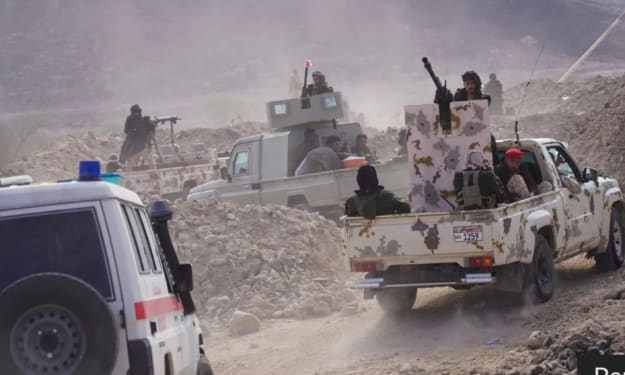
Yemeni Separatists Plan to Hold Independence Vote Within Two Years. AI-Generated.
Southern Leaders Push for Statehood as Yemen’s Political Crisis Deepens Yemen’s long-running conflict may be entering a new and uncertain phase as Yemeni separatist leaders announce plans to hold an independence referendum within the next two years. The proposal, driven primarily by the Southern Transitional Council (STC), has reignited debates about Yemen’s territorial unity, regional stability, and the future of a country already fractured by war.
By Aarif Lashari28 days ago in The Swamp
Iranian Officials Warn Trump Not to Cross ‘Red Line’ Over Threats to Intervene in Protests. AI-Generated.
Iranian officials have issued a strong warning to former U.S. President Donald Trump, cautioning him not to cross what they described as a “red line” after he threatened U.S. intervention if Iranian authorities kill protesters. The sharp exchange highlights rising tensions between Tehran and Washington at a time when Iran is grappling with widespread domestic unrest and intense international scrutiny.
By Aarif Lashari28 days ago in The Swamp