
Iranian Officials Warn Trump Not to Cross ‘Red Line’ Over Threats to Intervene in Protests
Tehran Pushes Back as Tensions Rise Over U.S. Statements on Iran’s Internal Unrest
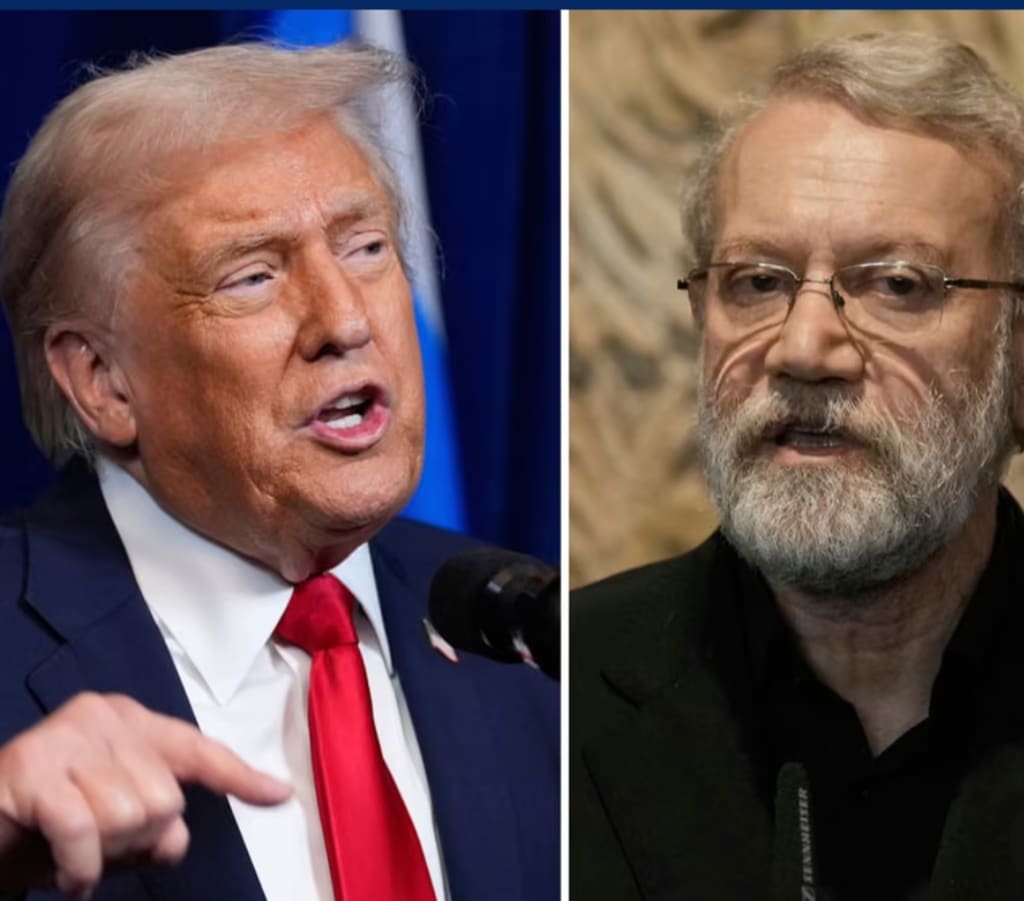
Iranian officials have issued a strong warning to former U.S. President Donald Trump, cautioning him not to cross what they described as a “red line” after he threatened U.S. intervention if Iranian authorities kill protesters. The sharp exchange highlights rising tensions between Tehran and Washington at a time when Iran is grappling with widespread domestic unrest and intense international scrutiny.
Trump’s remarks, delivered through public statements and social media, have drawn swift condemnation from Iran’s leadership, who accuse the former president of interference in Iran’s internal affairs and attempting to inflame an already fragile situation.
Protests Continue to Shake Iran
Iran has experienced months of protests driven by economic hardship, political repression, and demands for social freedoms. Demonstrations have spread across major cities, including Tehran, Isfahan, Shiraz, and Mashhad, reflecting deep frustration among many Iranians over inflation, unemployment, and restrictions on civil liberties.
While the protests initially began as economic grievances, they have evolved into broader calls for political reform. Security forces have responded with force, including arrests, internet shutdowns, and crowd control measures. Human rights organizations claim that dozens of protesters have been killed, though Iranian authorities dispute these figures and say security actions are necessary to maintain public order.
Trump’s Threat Sparks Diplomatic Backlash
Donald Trump recently warned that the United States would intervene if Iranian authorities continued to use lethal force against protesters. Although he did not specify the nature of such intervention, his statement immediately drew global attention and concern.
Iranian officials were quick to respond. Senior figures within Iran’s foreign ministry accused Trump of reckless rhetoric and warned that any foreign intervention would be met with firm resistance. One official stated that crossing Iran’s “red line” would have serious consequences, emphasizing that Iran would not tolerate external threats against its sovereignty.
Iran’s Message: No Foreign Interference
Tehran’s leadership has consistently rejected foreign involvement in its domestic affairs. Iranian officials argue that protests are being exaggerated or manipulated by external actors seeking to destabilize the country.
In response to Trump’s remarks, Iranian state media portrayed the warning as political theater, accusing the former U.S. president of attempting to regain influence on the global stage. Officials reiterated that Iran’s security forces are acting within the law and that the protests are being handled internally.
Iran’s foreign ministry stressed that national sovereignty is non-negotiable, and any attempt at intervention would be viewed as an act of aggression rather than humanitarian concern.
A Long History of U.S.–Iran Hostility
The latest exchange is rooted in decades of strained relations between the United States and Iran. Since the 1979 Islamic Revolution, the two countries have remained adversaries, with tensions fueled by sanctions, regional conflicts, and disputes over Iran’s nuclear program.
During Trump’s presidency, relations deteriorated sharply. His administration withdrew from the 2015 nuclear agreement, reimposed sweeping sanctions, and authorized the killing of Iranian General Qassem Soleimani in 2020. These actions deepened mistrust and hardened Iran’s stance toward Washington.
Trump’s current warning reflects the continuation of his hardline approach to Iran, even after leaving office.
Global Reactions to Rising Tensions
Trump’s comments and Iran’s response have drawn reactions from across the international community. European leaders have expressed concern about violence against protesters but urged restraint and dialogue rather than threats of intervention.
The European Union has called on Iran to respect human rights while also cautioning against rhetoric that could escalate tensions. Meanwhile, countries such as Russia and China have sided with Iran, criticizing U.S. statements as violations of international norms and sovereignty.
Human rights groups have welcomed international attention on Iran’s protest crackdown but warn that military intervention could worsen conditions for civilians rather than improve them.
What Does “Intervention” Really Mean?
One of the key uncertainties surrounding Trump’s warning is what form U.S. intervention might take. Analysts note that intervention does not necessarily mean military action. It could include:
Expanded economic sanctions
Diplomatic pressure through international bodies
Support for Iranian civil society groups
Cyber or information campaigns
However, critics argue that even non-military intervention risks escalating tensions and could provoke retaliation from Iran or its regional allies.
Balancing Human Rights and Stability
The situation highlights a complex global dilemma: how to support human rights without triggering wider conflict. While many governments condemn violence against protesters, direct intervention in a sovereign nation’s affairs remains controversial.
Iran insists that it is dealing with internal unrest according to its laws, while protesters and activists argue that international pressure is essential to protect lives. Trump’s warning has brought this debate back into the spotlight, raising questions about the effectiveness and risks of external pressure.
What Happens Next?
As protests continue and rhetoric intensifies, the coming weeks will be critical. Iranian authorities show no sign of backing down, and Trump’s comments have added a volatile element to an already tense situation.
Whether the crisis moves toward dialogue, further repression, or increased international pressure remains uncertain. What is clear is that Iran’s internal unrest has become a global issue, with implications far beyond its borders.
About the Creator
Keep reading
More stories from Aarif Lashari and writers in The Swamp and other communities.
Officials Blame Sparkler Candles for Swiss Ski Resort Fire, as First Victim Named
Swiss authorities have confirmed that sparkler candles used during a festive celebration were the likely cause of the deadly fire that tore through a popular Swiss ski resort, leaving multiple people injured and several fighting for their lives. As investigators continue their work, officials have also named the first victim, bringing a personal and heartbreaking dimension to a tragedy that has shocked Switzerland and the international community.
By Aarif Lashari17 days ago in The Swamp
How rising power costs, energy reforms, and rooftop solar are reshaping Pakistan’s electricity landscape
Pakistan’s electricity sector is undergoing a quiet but transformative shift. For the first time in decades, demand for grid-supplied electricity is declining, while rooftop solar adoption through net-metering has surged nearly fourfold. This trend marks a fundamental change in how households, businesses, and industries source their power, with far-reaching implications for the national grid, energy policy, and economic stability.
By Salaar Jamali2 days ago in The Swamp


Comments
There are no comments for this story
Be the first to respond and start the conversation.