
China Receives 22 Shipments of LNG from Sanctioned Russian Projects in 2025: A Strategic Energy Partnership Amid Geopolitical Tensions
China and Russia: A Strategic Energy Partnership Amid Global Tensions

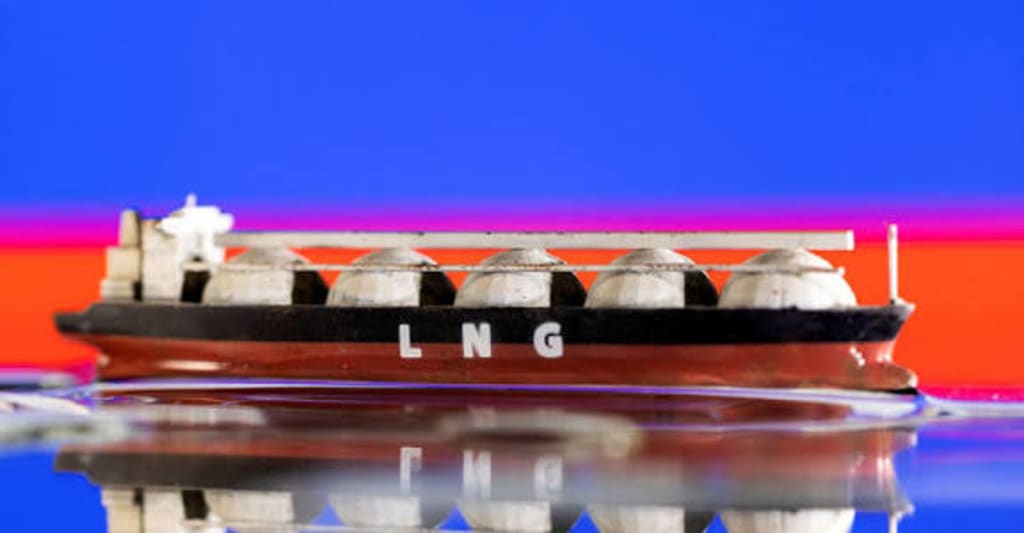
In 2025, a significant shift in global energy markets is unfolding as China has received 22 shipments of liquefied natural gas (LNG) sourced from Russian projects that have been sanctioned by the international community. This move, amidst ongoing geopolitical tensions, signals a deeper strategic alliance between the two nations as they navigate the complexities of global energy supply chains, sanctions, and economic cooperation.
Sanctions on Russia: A Game of Geopolitics and Energy
The international community, led by the United States and European Union, has imposed severe sanctions on Russia following its invasion of Ukraine in 2022. These sanctions have impacted various sectors of the Russian economy, including its energy industry, one of the largest sources of revenue for the country. Russian energy giants, particularly in the natural gas sector, have faced restrictions that have isolated them from the western markets. However, despite these sanctions, Russia has found an ally in China, which has gradually expanded its energy relationship with Moscow.
China, being the world’s largest importer of natural gas, has become a key player in Russia’s energy strategy, providing a market for the LNG that would otherwise go unsold due to western sanctions. In 2025, the 22 shipments of LNG represent a growing trend in China's energy diversification strategy, which aims to reduce its dependence on other regional suppliers and foster deeper ties with Russia.
A Strategic Energy Partnership: China and Russia
This ongoing energy cooperation between China and Russia is not merely a temporary arrangement but a long-term strategy that has been evolving over the past several years. China’s demand for energy is immense, and securing stable, long-term sources of energy is critical to its growing economy. Russia, on the other hand, seeks to circumvent the economic isolation imposed by the West, and energy exports provide a vital lifeline for the Russian economy.
The flow of LNG from Russia to China, especially from projects that are sanctioned by the West, highlights the way these two countries are navigating the global energy market. For China, this partnership is not just about securing energy resources but also about positioning itself as a major geopolitical player. By buying LNG from Russian projects, China is reinforcing its ties with Russia while simultaneously demonstrating its ability to operate independently from the West, which is essential for its long-term strategic goals.
The Impact on Global Energy Markets
The 22 LNG shipments from sanctioned Russian projects represent a significant portion of China’s natural gas imports. As of 2025, China has become the primary destination for Russian energy exports, and this shift in trade patterns has had ripple effects across the global energy landscape. The growth of LNG exports from Russia to China has contributed to higher global LNG prices, as Western countries seek alternative suppliers to offset their loss of access to Russian energy.
Furthermore, China’s increased reliance on Russian LNG is reshaping energy supply chains. With the West increasingly shunning Russian energy, countries like India, Turkey, and certain Southeast Asian nations are also turning to Russia for their energy needs, further isolating Russia from European and North American markets. The energy dynamics between China and Russia could lead to a more fragmented global energy market, where power shifts away from traditional energy players such as the United States and the EU.
The Role of Geopolitics in Energy Decisions
Geopolitical considerations play a pivotal role in shaping the energy relationship between China and Russia. While the energy trade between the two countries is driven by economic factors, it is also influenced by broader political motives. For Russia, the strategic value of the energy partnership with China lies in its ability to diversify its exports and reduce dependence on European markets, which have been increasingly hostile due to the ongoing war in Ukraine.
For China, the energy partnership with Russia serves multiple purposes. It helps to ensure a stable supply of energy at competitive prices, but it also allows China to maintain a position of influence in the global energy market. This partnership provides China with leverage in its ongoing rivalry with the United States, as the US has led the push for sanctions against Russia. By continuing to engage with Russia, China is positioning itself as a key player in the global energy landscape, capable of shaping the future of global energy trade.
Challenges and Future Implications
Despite the growth in energy cooperation between China and Russia, the relationship is not without its challenges. The logistical difficulties of transporting LNG across vast distances, especially through routes that may be subject to geopolitical risks, remain a significant concern. Additionally, the ongoing tensions between Russia and the West could lead to further economic and political instability, which might disrupt energy trade routes and raise the risk of sanctions being imposed on China for its ties with Russia.
Moreover, the increased reliance on Russian LNG could complicate China’s efforts to diversify its energy sources. As the global push for clean energy intensifies, China faces mounting pressure to shift towards renewable energy sources and reduce its reliance on fossil fuels. The long-term sustainability of the Russia-China energy partnership will depend on how both nations manage the growing challenges posed by global energy transitions, environmental concerns, and international political pressures.
Conclusion: A Complex Energy Landscape
The delivery of 22 shipments of LNG from sanctioned Russian projects to China in 2025 underscores the complexity of the global energy market, where economic, geopolitical, and environmental considerations intersect. As China and Russia continue to strengthen their energy relationship, the implications for global energy markets are far-reaching, with shifts in power and influence becoming increasingly evident. However, the future of this partnership remains uncertain, as both nations navigate the evolving landscape of energy production, climate change policies, and international relations.
About the Creator
Fiaz Ahmed Brohi
I am a passionate writer with a love for exploring and creating content on trending topics. Always curious, always sharing stories that engage and inspire.
Keep reading
More stories from Fiaz Ahmed Brohi and writers in The Swamp and other communities.
Russians Won’t Represent Their Country at Winter Olympics Even If Ukraine War Ends, IOC Chief Says
In a recent statement that has sent ripples through the world of sports, the President of the International Olympic Committee (IOC), Thomas Bach, declared that Russian athletes will not be allowed to compete under their country’s flag at the Winter Olympics, even if the war in Ukraine were to come to an end. The decision has sparked a fierce debate across the international sporting community, touching on issues of politics, patriotism, and the role of sports in a time of global conflict. The Context: War, Sanctions, and Sport Since the onset of the war in Ukraine, global sporting organizations, including the IOC, have faced increasing pressure to take a stand. In the aftermath of Russia’s invasion of Ukraine in 2022, many international bodies imposed sanctions on Russian athletes and officials, preventing them from participating in major global sporting events. The 2022 Winter Olympics in Beijing, for instance, saw athletes from Russia competing under a neutral flag, as the country was banned from using its national symbols or anthem due to the ongoing war. The IOC has been at the center of controversy regarding its stance on Russian athletes. Initially, the organization took a rather lenient approach, allowing Russian athletes to compete as neutrals in various international competitions. However, as the war persisted, pressure from the global community intensified, with many urging the IOC to impose a complete ban on Russian participation in all Olympic events. Bach’s Stance on Russian Athletes In his latest statement, IOC President Thomas Bach emphasized that even in the hypothetical scenario where the war in Ukraine is brought to a close, Russian athletes would still be banned from competing under their national flag in future Winter Olympics. According to Bach, the IOC is committed to maintaining the integrity of the Olympic Games, and the participation of Russian athletes—who would be seen as representatives of a government involved in a military conflict—is viewed as a direct contradiction to the Olympic ideals of peace and unity. This statement has been met with both support and opposition. Supporters argue that the IOC must uphold its principles and not allow Russia to use the Olympics as a platform to promote a nationalistic agenda in the wake of its aggression in Ukraine. They contend that such a ban is necessary to send a clear message that war and violence have no place in the international sporting community. On the other hand, critics argue that banning Russian athletes—many of whom have no control over the actions of their government—is unfair and punishes individuals who have dedicated their lives to their sports. Some have called for a more nuanced approach that would allow athletes to compete as neutrals, without being tied to the political actions of their nation. The Political Divide in Sports The controversy over the participation of Russian athletes in international competitions underscores a growing divide between the political world and the world of sports. Historically, the Olympics have been seen as a forum for peaceful competition, where athletes from all nations come together to showcase their skills, irrespective of their countries’ political ideologies. However, in recent years, the increasing politicization of sports has become more apparent. The Russian ban also raises questions about the future of global sporting events and the role of organizations like the IOC in navigating international politics. For example, many have pointed out that while Russia faces widespread sanctions and exclusions from major sporting events, other nations with questionable human rights records continue to compete without similar scrutiny. This inconsistency has led to calls for a broader conversation about how politics and sport should coexist. Moreover, some sports officials have expressed concern about the potential long-term impact of such bans on the Olympic movement. There is a fear that if the IOC continues to make political decisions regarding athlete participation, it could undermine the neutrality and fairness of the Games. The Olympics, after all, were established with the idea of bringing together the world’s best athletes in a celebration of human achievement, not as a platform for international political messaging. The Role of Neutrality in International Sports The debate surrounding the participation of Russian athletes also highlights the importance of neutrality in international sports. For years, the IOC and other sports organizations have worked hard to ensure that their events remain free from political influence. The neutrality of athletes is considered a cornerstone of the Olympic ideal, with participants expected to represent their sport, not their government. In recent years, however, this ideal has been increasingly challenged. As geopolitical tensions rise and conflicts spill over into the sporting world, the question of whether athletes can truly be neutral has become more complicated. While some have argued that it is unrealistic to expect athletes from politically contentious nations to be seen as neutral, others maintain that sport should remain separate from politics, with athletes representing their personal achievements, not the agendas of their governments. The Way Forward: Balancing Ideals and Practicality Looking forward, the IOC faces a difficult task in balancing its commitment to the Olympic ideals with the reality of an increasingly politicized global landscape. While the exclusion of Russian athletes from the Winter Olympics may seem like a necessary step in the face of global unrest, it also raises questions about the role of sport in diplomacy and the treatment of athletes caught in the crossfire of international conflicts. As the situation continues to evolve, it will be crucial for sports organizations like the IOC to carefully consider the long-term implications of their decisions. They must balance the integrity of their events with the need to remain fair and neutral, ensuring that sport continues to serve as a unifying force in a world divided by politics and conflict. Ultimately, the future of Russian participation in global sports will depend on the resolution of the ongoing war in Ukraine and the willingness of the international community to find common ground. For now, however, it seems that Russia’s athletes will remain sidelined, waiting for a peace that seems increasingly elusive. Conclusion The IOC’s decision to bar Russian athletes from competing under their national flag, even in the event of a ceasefire in Ukraine, has ignited a debate that will likely continue for years to come. The crossroads of politics and sports are more apparent than ever, and the world is watching closely as global sporting bodies navigate these complex issues.
By Fiaz Ahmed Brohi17 days ago in The Swamp
Global Wind Power Market Size & Forecast 2025–2033: Clean Energy Momentum Reshapes the Global Power Landscape
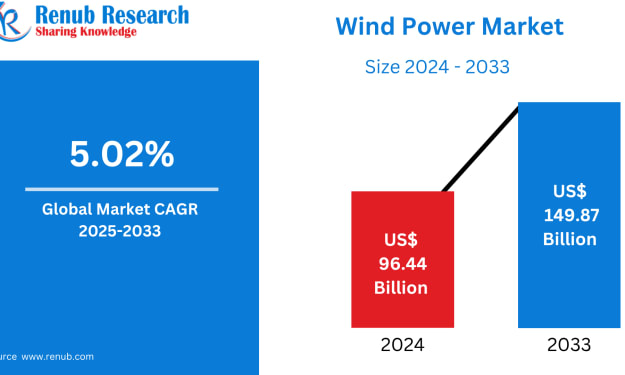
Global Wind Power Market Outlook The global energy landscape is undergoing a historic transformation as nations move away from fossil fuels and embrace renewable sources of electricity. At the center of this transition stands wind power—one of the fastest-growing and most scalable clean energy technologies worldwide. According to Renub Research, the Global Wind Power Market is expected to grow from US$ 96.44 billion in 2024 to US$ 149.87 billion by 2033, expanding at a compound annual growth rate (CAGR) of 5.02% during 2025–2033.
By Aaina Oberoiabout 20 hours ago in The Swamp



Comments
There are no comments for this story
Be the first to respond and start the conversation.