medicine
The medicalization of mental illness has given rise to many forms of pharmacological relief that restore chemical imbalances in one's brain.
Things I learnt from my recent setbacks
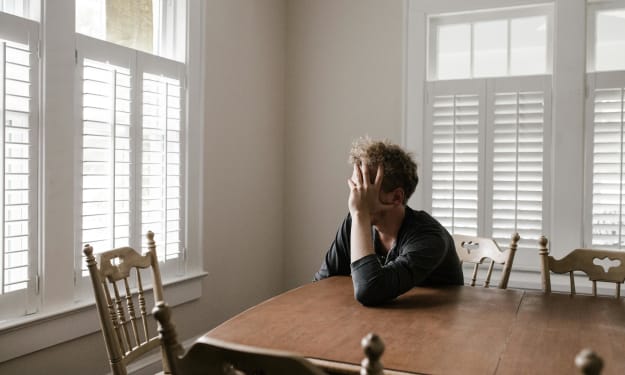
Things I learnt from my recent setbacks How I wish life were filled with glory and love, tales of how we succeed in every aspect of our life, emerging victorious in battles filled with animosity and sadness. Every mortal being experiences seasons of rise and fall, of light and dark, of pain and purpose, and defeat and victory.
By Hridya Sharmaabout a year ago in Psyche
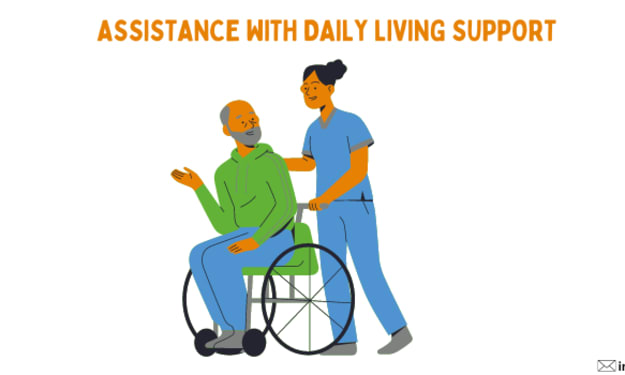
Assistance with daily living : A Comprehensive guide
Assistance with Daily Living: A Comprehensive Guide Introduction Assistance with daily living is a crucial aspect of support services that empowers individuals with disabilities to live independently and maintain their quality of life. The National Disability Insurance Scheme (NDIS) plays a pivotal role in ensuring that people with disabilities have access to the support they need. Whether it’s help with personal care, household tasks, or community engagement, assistance with daily living promotes autonomy and improves the well-being of those who need it. This article will delve into the various aspects of assistance with daily living, focusing on how NDIS, NDMHS (National Disability and Mental Health Services), and other support systems work together to provide comprehensive care.
By NDMHS : NDIS Provider Sydneyabout a year ago in Psyche
Sleepsitting
Overview Sleepsitting, also known as somnamsedens, is when people sit (or attempt to lie) down while asleep. It's more common in children than adults. Children usually outgrow sleepsitting by the teen years. Sleepsitting that happens once in a while often isn't a serious problem and doesn't need treatment. But sleepsitting that happens a lot may suggest an underlying sleep disorder.
By Everyday Junglistabout a year ago in Psyche
Exploration of the psychological underpinnings of Dark Empaths
Getting Through the Dark: Narcissists vs. Dark Empaths: Understanding, Identifying, and Liberating I have always been fascinated and intrigued by the limitless potential humans hold, which propels us on the path of progression. The odyssey of transforming primitiveness into a touch of modernism is the beauty of the prowess of the human mind. In the vast and complex tapestry that constitutes human relationships, the delicate interplay between these contrasting forces often presents itself as an enigma. Have you ever experienced the captivating yet perplexing dynamics between light and shadow, empathy and narcissism? Within this intricate landscape, dark empaths and narcissists stand out as compelling and enigmatic figures, each characterized by a distinct array of traits and behaviours. On the other hand, susceptible people (HSP), recognized for their deep emotional awareness and sensitivity to the feelings of others, often find themselves traversing the challenging terrain of relationships with these fascinating, yet sometimes troubling, personalities. This journey can be both enlightening and bewildering, as HSPs strive to understand and navigate the emotional landscapes shaped by the contrasting influences of empathy and narcissism.
By Hridya Sharmaabout a year ago in Psyche
DEMENTIA. Content Warning.
Dementia is a deteriorating cognitive disease which causes a significant decline in ones memory, comprehension, analytical and problem solving skills, and linguistic abilities. It causes a dysfunction in an individual’s ability to function, and has adverse effects on their mental, physical, social, and emotional wellbeing. Once diagnosed, it is imperative that caregivers immediately take on the responsibility for their loved one through legal guardianship. If the diagnosis is detected at the early onset, treatments are more effective and vital to slow down the impediments and cognitive deterioration. Oftentimes, it is crucial and vital for the caregiver, if they do not have extended family members or relatives, to seek assistance and support from specialists, doctors, personal care workers, nurses, programs, treatment centres, and support networks dedicated to fostering a safe open space to educate and learn about treatments, assistance available, and proven methods to help your loved one navigate this debilitating disease.
By ELISABETH BABARCI about a year ago in Psyche
Monkeypox - Understanding the Emerging Health Concern . AI-Generated.
Monkeypox is an emerging viral disease that has garnered global attention due to recent outbreaks. While the disease was initially identified in the 1970s, it has resurfaced with greater frequency, raising public health concerns. Here's a comprehensive look at monkeypox, covering its history, symptoms, transmission, prevention, and the current global response.
By Danilo Scepanovicabout a year ago in Psyche
Cardiac Exercises for Stress Reduction
Cardiac Exercises for Stress Reduction: The Heart-Mind Connection In today’s fast-paced world, stress has become an almost inescapable part of our lives. From demanding jobs to personal responsibilities, it often feels like we’re on a never-ending treadmill of stressors. While a certain level of stress is natural and even beneficial, chronic stress can lead to a host of health problems, including anxiety, depression, and heart disease. Fortunately, there is a simple yet powerful antidote to this modern malady: cardiac exercise. In this article, we’ll delve into how cardiac exercises can help reduce stress and improve mental health, explore the science behind this connection, and provide practical tips to incorporate these exercises into your daily routine.
By Bawa Murtalaabout a year ago in Psyche
Breaking down Attention Deficit Hyperactivity Disorder (ADHD).
Attention Deficit Hyperactivity Disorder, or ADHD for short, is a neurodevelopmental condition that involves ongoing issues with inattention, hyperactivity, and impulsivity. The symptoms stem from executive dysfunction, which means there's a hiccup in how the brain manages and controls thought processes. There are three main types of ADHD based on these symptoms: the predominantly inattentive type, which is all about a lack of focus; the predominantly hyperactive-impulsive type, where there's a lot of activity and acting on impulse; and the combined type, which mixes both sets of symptoms and is the most common, affecting about 62% of people with ADHD. Signs of inattention might include frequently missing details or making silly mistakes, struggling to stay focused on tasks or conversations even without distractions, not following instructions, having trouble organizing tasks, misplacing things, and being forgetful. Interestingly, females often show more signs of inattention and distractibility rather than hyperactivity. On the flip side, hyperactive-impulsive symptoms can involve difficulty sitting still, fidgeting, talking non-stop (including interrupting others), or having a hard time waiting for turns, like in a queue. As people age, these symptoms can evolve.
By Kasia Schlatterabout a year ago in Psyche