
How Poverty and Hunger Sabotage Child Development and Education: A Global Perspective
Development and Education


Comprehensive Outline
Main Topics Subtopics
Introduction: Overview of poverty and hunger
- Importance of addressing these issues in society
Understanding Poverty and Hunger: Definitions and differences
- Global statistics and regions most affected
Root Causes of Poverty and Hunger: Economic factors
- Political instability
- Climate change
- Social inequality
The Cycle of Poverty How poverty perpetuates across generations
- Challenges in breaking the cycle
Impact of Poverty on Childhood Development: Physical health and nutrition
- Cognitive development
- Emotional well-being
Hunger and Its Effect on Child Growth: Malnutrition and stunting
- Impact on learning abilities
- Long-term health consequences
Educational Barriers Caused by Poverty: Access to quality education
- School dropout rates
- Limited opportunities for higher education
The Psychological Impact on Children: Anxiety and stress
- Development of low self-esteem
- Risk of behavioral issues
Social Impact of Poverty on Children: Social exclusion
- Peer pressure and bullying
- Involvement in crime or delinquency
Role of Family Dynamics: Parental stress and its impact on children
- Family breakdowns
- Child labor
Long-Term Consequences of Poverty: - Adult unemployment
- Chronic health conditions
- Intergenerational transmission of poverty
Global Efforts to Combat Poverty and Hunger: International organizations
- Government policies
- Community initiatives
Successful Case Studies: Countries that have reduced poverty
- Programs that work
- Lessons learned
How Education Can Break the Cycle: Importance of early childhood education
Vocational training and skills development
Conclusion - Summary of key points
- Call to action for addressing poverty and hunger
FAQs - How does poverty affect education?
- What are the psychological effects of hunger?
- Can poverty be eradicated?
- How does childhood poverty impact adulthood?
- What role does government play in reducing poverty?
- How can individuals contribute to solving poverty and hunger?
Hunger and Poverty: A Barrier to Child Development and Education
Poverty and hunger are two of the most severe challenges facing humanity today. These issues are not just economic problems but are deeply intertwined with the social fabric of society, impacting generations and perpetuating a cycle that is hard to break. Understanding the nature of poverty and hunger, their causes, and their profound effects on children is essential for developing effective solutions.

Understanding Poverty and Hunger
Poverty refers to a condition where individuals or communities lack the financial resources to meet basic living standards. It is a multifaceted issue involving not only the absence of income but also the lack of access to education, healthcare, and basic services. Hunger, on the other hand, is a direct consequence of poverty, where people do not have enough food to maintain a healthy and active life. Hunger manifests in chronic undernutrition, malnutrition, and sometimes even famine, affecting millions globally.
Globally, poverty and hunger are most prevalent in regions such as Sub-Saharan Africa, South Asia, and parts of Latin America. According to the United Nations, around 9.2% of the world’s population lives in extreme poverty, surviving on less than $1.90 per day. Hunger affects approximately 820 million people worldwide, with children being the most vulnerable.

Root Causes of Poverty and Hunger
The root causes of poverty and hunger are complex and interconnected. Economic factors, such as unemployment, low wages, and lack of economic opportunities, are primary drivers. In many developing countries, the economy is not robust enough to provide jobs and support for the population, leading to widespread poverty.
Political instability also contributes significantly to poverty. In regions affected by war or conflict, economic activities are disrupted, infrastructure is destroyed, and people are displaced, leading to increased poverty and hunger. Climate change is another critical factor, as it affects food production and water availability, particularly in agrarian economies.
Social inequality exacerbates poverty and hunger by limiting access to resources and opportunities based on class, gender, or ethnicity. Discrimination and social exclusion prevent marginalized groups from escaping poverty, creating a vicious cycle that perpetuates over generations.

The Cycle of Poverty
Poverty is often inherited, creating a cycle that is difficult to break. Children born into poverty face numerous disadvantages, including limited access to education, healthcare, and nutrition. These disadvantages hinder their development, leading to poor academic performance, low employment prospects, and ultimately, a continuation of the poverty cycle.
This cycle of poverty is sustained by systemic issues such as inadequate social safety nets, lack of affordable housing, and insufficient healthcare. Breaking this cycle requires targeted interventions that address these root causes and provide opportunities for upward mobility.
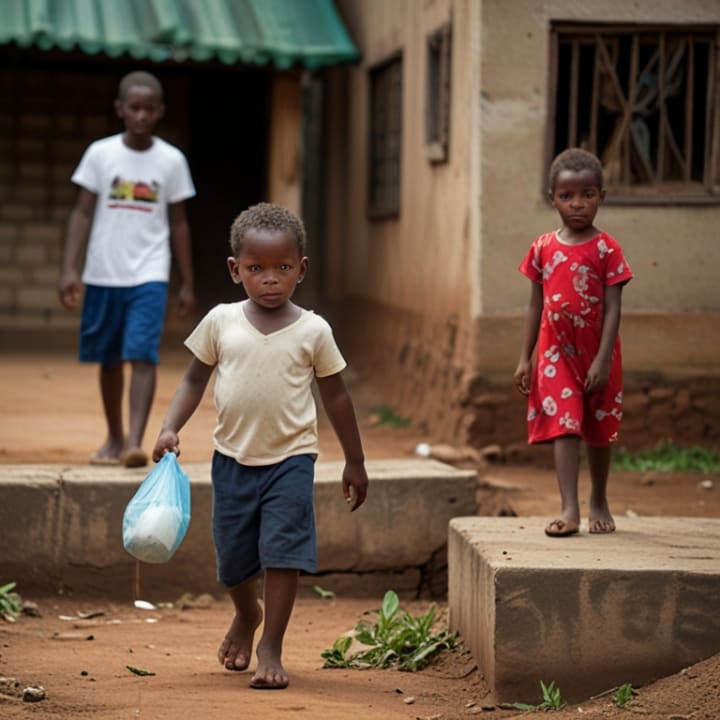
Impact of Poverty on Childhood Development
The impact of poverty on childhood development is profound and far-reaching. Children living in poverty are more likely to suffer from poor physical health due to inadequate nutrition, limited access to healthcare, and exposure to unsanitary living conditions. They are also at a higher risk of developing chronic illnesses and experiencing stunted growth.
Cognitively, poverty can lead to delays in development due to the lack of stimulation, educational materials, and support at home. Poor nutrition, particularly in the early years, affects brain development, leading to difficulties in learning and concentration. Emotional well-being is also compromised, as children living in poverty often experience high levels of stress, anxiety, and insecurity, which can lead to behavioral problems.

Hunger and Its Effect on Child Growth
Hunger, particularly chronic undernutrition, has devastating effects on child growth and development. Malnutrition leads to stunting, where children are significantly shorter than their peers, a sign of severe undernourishment during critical growth periods. This physical manifestation is just the tip of the iceberg; the impact of hunger on cognitive development is equally concerning.
Children who experience chronic hunger often struggle in school. They have difficulty concentrating, lower IQ scores, and are more likely to repeat grades or drop out of school altogether. The long-term consequences of hunger are severe, leading to an increased risk of chronic diseases such as diabetes and heart disease in adulthood.

Educational Barriers Caused by Poverty
Education is one of the most significant casualties of poverty. Children from impoverished backgrounds often face numerous barriers to obtaining a quality education. Access to quality education is limited by factors such as inadequate school facilities, lack of trained teachers, and the need for children to work to support their families.
School dropout rates are significantly higher among children from poor families. Financial constraints force many to leave school prematurely, either to work or because their families cannot afford school fees, uniforms, or supplies. This lack of education further limits their opportunities for better employment in the future, perpetuating the cycle of poverty.
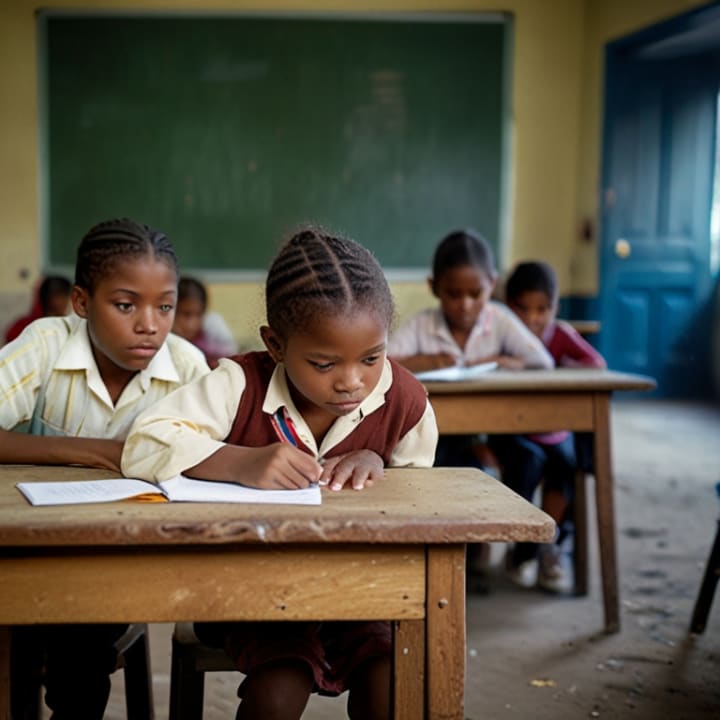
The Psychological Impact on Children
The psychological impact of poverty on children is profound. Living in poverty often means growing up in an environment filled with stress and uncertainty. Anxiety and stress are common as children worry about their basic needs, such as food and shelter. This constant stress can lead to the development of low self-esteem and feelings of inadequacy.
Children in poverty are also at a higher risk of developing behavioral issues. The lack of stable, supportive environments can lead to difficulties in forming healthy relationships, increased aggression, and, in some cases, involvement in criminal activities as a means of survival.

Social Impact of Poverty on Children
Poverty affects not only a child’s physical and psychological well-being but also their social life. Social exclusion is common among children from low-income families. They may be unable to participate in social activities due to financial constraints, leading to feelings of isolation and loneliness.
Peer pressure and bullying are also more prevalent among children living in poverty. They may be targeted for their economic status, leading to further emotional distress. In some cases, these social pressures push children towards delinquency and crime, as they seek acceptance and a sense of belonging.

Role of Family Dynamics
Family dynamics play a crucial role in the development of children living in poverty. Parental stress is often high in impoverished households, where parents struggle to provide for their families. This stress can lead to negative parenting practices, such as neglect or harsh discipline, which further affect the child’s development.
In some cases, family breakdowns occur as a result of the pressures of poverty, leading to single-parent households or children being placed in foster care. Child labor is another consequence, where children are forced to work to support the family, missing out on education and a normal childhood.

Long-Term Consequences of Poverty
The long-term consequences of childhood poverty are significant. Adults who grew up in poverty are more likely to experience unemployment or underemployment due to their lack of education and skills. They are also at a higher risk of developing chronic health conditions, such as diabetes, heart disease, and mental health disorders, due to the poor living conditions and lack of healthcare they experienced as children.
The intergenerational transmission of poverty is a critical issue. Children who grow up in poverty are more likely to remain poor as adults and pass this poverty on to their children. This cycle can be difficult to break without substantial intervention.
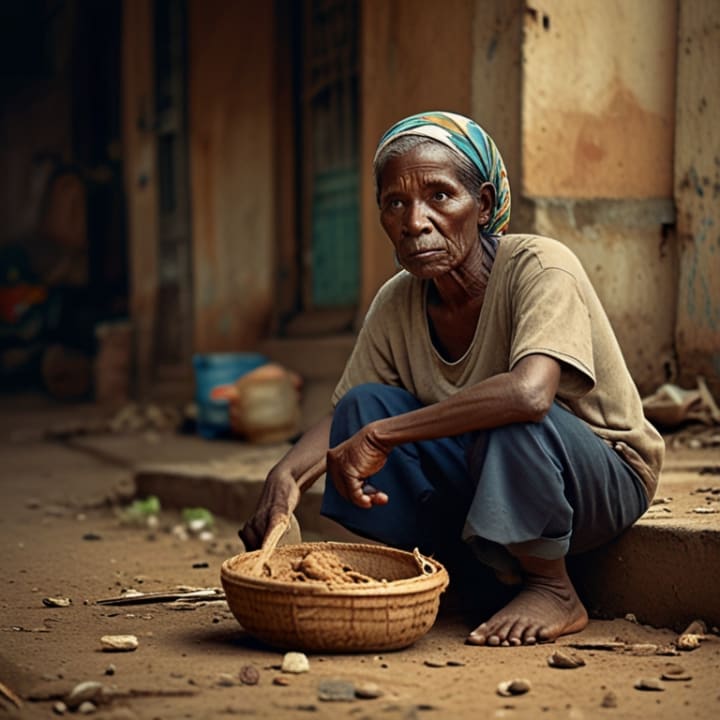
Global Efforts to Combat Poverty and Hunger
Combatting poverty and hunger requires coordinated efforts at the global, national, and local levels. International organizations such as the United Nations and the World Bank play a significant role in addressing these issues through funding, policy-making, and on-the-ground programs.
Government policies are crucial in providing social safety nets, affordable housing, healthcare, and education. Countries that have successfully reduced poverty have done so through comprehensive social welfare programs and economic reforms that promote job creation and income equality.
Community initiatives are also essential. Grassroots programs that focus on empowering local communities, improving education, and promoting sustainable agricultural practices have shown great success in reducing poverty and hunger in many parts of the world.

Successful Case Studies
Several countries have made significant strides in reducing poverty and hunger. For example, Brazil's Bolsa Família program, which provides financial aid to poor families on the condition that their children attend school and get regular health check-ups, has been successful in reducing poverty and improving education outcomes.
Bangladesh has also seen success through its microfinance programs, which provide small loans to the poor, particularly women, to start small businesses. These programs have lifted millions out of poverty and empowered communities.
Lessons learned from these case studies emphasize the importance of comprehensive, well-targeted programs that address the root causes of poverty and provide opportunities for education and economic advancement.
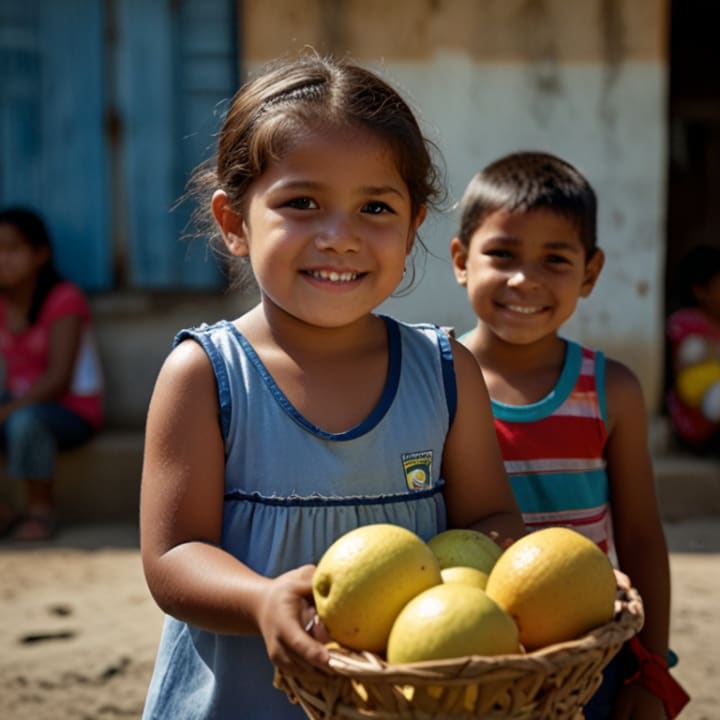
How Education Can Break the Cycle
Education is a powerful tool for breaking the cycle of poverty. Early childhood education is particularly important, as it sets the foundation for lifelong learning and development. Programs that provide access to quality early education have been shown to improve school readiness and long-term academic success.
Vocational training and skills development are also crucial. Providing young people with the skills they need to succeed in the workforce can help them secure better-paying jobs and break free from the cycle of poverty. Educational programs should be tailored to the needs of the community, focusing on practical skills that are in demand in the local economy.

Conclusion
Poverty and hunger are critical issues that have far-reaching effects on child development and education. These challenges perpetuate a cycle of disadvantage that can last for generations. However, with targeted interventions, such as improving access to education, providing social safety nets, and empowering communities, it is possible to break this cycle and give children the opportunity to reach their full potential.
Addressing poverty and hunger is not just a moral imperative; it is essential for building a more equitable and prosperous world. By investing in children and their futures, we can create a society where everyone has the opportunity to thrive.
FAQs
How does poverty affect education? Poverty affects education by limiting access to quality schooling, increasing dropout rates, and reducing opportunities for higher education. Children from low-income families often face barriers such as lack of school supplies, inadequate school facilities, and the need to work to support their families.
What are the psychological effects of hunger? Hunger can lead to severe psychological effects, including anxiety, depression, and cognitive impairments. Chronic hunger affects brain development, leading to difficulties in learning and concentration, and can result in long-term mental health issues.
Can poverty be eradicated? While challenging, poverty can be reduced significantly through coordinated efforts, including economic reforms, social welfare programs, and education initiatives. Eradication requires addressing the root causes of poverty, such as inequality, unemployment, and lack of access to basic services.
How does childhood poverty impact adulthood? Childhood poverty has long-term effects on adulthood, including increased risks of unemployment, chronic health conditions, and lower life expectancy. It also perpetuates the cycle of poverty, making it difficult for individuals to escape poverty as adults.
What role does government play in reducing poverty? Governments play a crucial role in reducing poverty through policies that promote economic growth, provide social safety nets, improve access to education and healthcare, and address inequality. Effective governance is essential for creating an environment where all citizens can thrive.
How can individuals contribute to solving poverty and hunger? Individuals can contribute by supporting organizations that work to alleviate poverty, advocating for policies that address inequality, and volunteering in community programs that provide education, food, and resources to those in need.
About the Creator
KingFree MaN
Our purpose is to serve others. We strive to understand their needs, identify what they seek and streamline the journey to help them reach their goals. By removing obstacles and creating clear paths we work to make their experience smoother
Keep reading
More stories from KingFree MaN and writers in Psyche and other communities.
🧸 How to Raise Children in Good Health and Education 📚
Raising children in today's 🌍 world requires a balanced approach, focusing on both their health and education. Ensuring that children grow up strong, mentally sharp, and emotionally stable sets the foundation for their future success. This article will provide a comprehensive guide on how to nurture your child's health and educational development effectively. We'll explore various strategies, tips, and insights to help you raise well-rounded individuals who are equipped to face the challenges of life.
By KingFree MaNabout a year ago in Motivation
Society Often Teaches Us to Suppress Our Sad Feelings, Branding Them as Negative.
Allow yourself the time to feel, process, and let go. What a journey we’ve traveled together. You can relate to that pain that appears out of nowhere and wants to linger in our minds. Once fear moves in, it takes root—spreading doubt, loneliness, and confusion It’s that kind of pain that overtakes your mental health, gradually making a home within you. Your thoughts can create a space filled with fear, a feeling that we often cling to because it’s the one our minds use against us—leading to a fierce battle between your thoughts and your feelings. It’s a struggle no one wants to lose, yet losing yourself feels like an ever-present threat. Isn’t that a trick life plays on us?
By Johana Torres14 days ago in Psyche
This Show Makes You Suspicious on Purpose
At first, it feels harmless. You sit down to watch His & Hers the way you sit down to watch any thriller. Lights dimmed. Phone face-down. A body on screen. A mystery to solve. Two people telling the same story in different voices. You tell yourself this is entertainment. Suspense. Craft.
By Aarsh Malikabout 18 hours ago in Psyche




Comments
There are no comments for this story
Be the first to respond and start the conversation.