
How to stop a dog from growling when you try to move it
When your dog growls, it’s not defiance—it’s communication. Instead of assuming aggression, recognize it as a warning sign that something is wrong. Whether it’s discomfort, fear, or habit, your dog is letting you know how he feels. Forcing him to move can create bigger problems, but using positive reinforcement can turn resistance into cooperation. By understanding the reasons behind growling and using simple training techniques, you can encourage movement without fear or conflict. A happy dog is a cooperative dog, and with patience and the right approach, you can create a stress-free environment for both of you.
Understanding the Growl: It’s Not Always Aggression
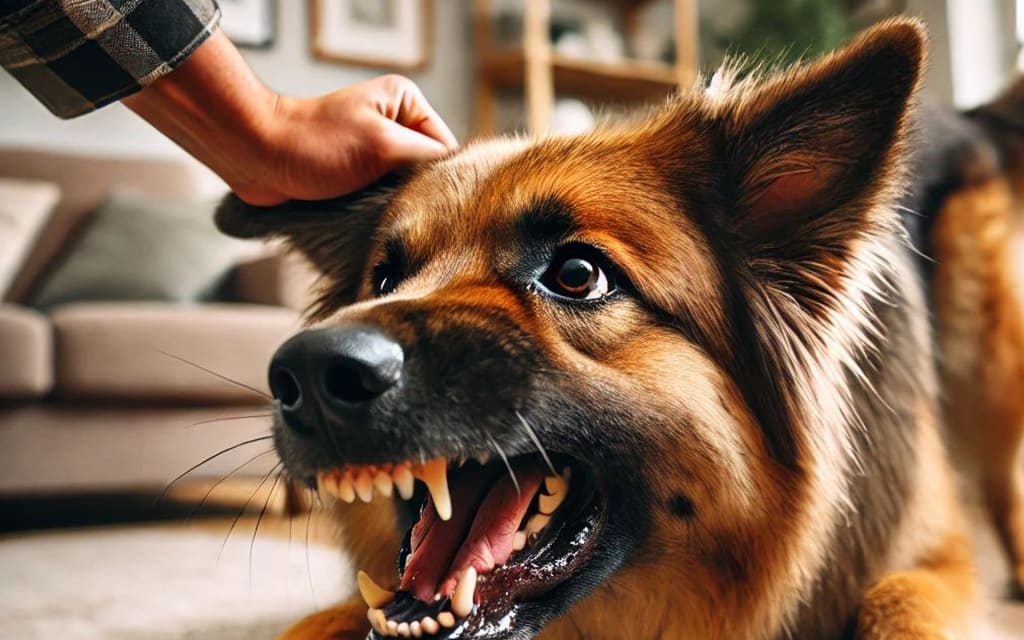
First things first—let’s clear the air about growling. When your dog growls, it’s not necessarily a sign of aggression. In fact, it’s a form of communication. Your dog isn’t plotting your downfall; he’s simply saying, “Hey, I’m not comfortable with this.” Think of it as a warning rather than an attack. Ignoring it—or worse, punishing it—can lead to bigger problems down the road.
If your dog is growling when you try to move him, he’s trying to tell you something. Your job is to figure out what that is and address it in a way that works for both of you.
Why Does My Dog Growl When I Move Him?
There are several reasons why your dog may be resistant to being moved:
1. He’s Learned to Guard His Spot
Dogs can become protective over their favorite resting places. If your dog has ever been forced off the couch, bed, or another comfy spot, he may have learned to defend his territory.
2. He’s Not Feeling Well
Pain or discomfort can make a dog grumpy. Conditions like arthritis, hip dysplasia, or past injuries could make movement painful. If your dog’s growling is a new behavior, a trip to the vet is a good idea.
3. He’s Tired or Overstimulated
A well-rested dog is a happy dog. If your pup is constantly being disturbed—especially in a busy household—he might growl just to get some peace and quiet.
4. He’s Afraid of Being Handled
Some dogs dislike being touched, especially if they weren’t properly socialized as puppies. If your dog stiffens, cowers, or snaps when you try to move him, he may have some fear-based reactions to human handling.
5. He’s Confused About Leadership
Dogs are pack animals. If your dog sees himself as the boss of the house, he may think he has the right to decide where he sits or sleeps. This isn’t necessarily about dominance—it’s about clear boundaries and training.
The Worst Thing You Can Do: Forcing the Issue
If your dog growls when you try to move him, the last thing you should do is force him. Here’s why:
- It can escalate the behavior. If growling doesn’t work, he may resort to snapping or biting next.
- It teaches him to suppress warnings. A dog who is punished for growling might stop growling—but that doesn’t mean he won’t bite when he’s pushed too far.
- It creates a negative association. Your dog may start associating you with discomfort, fear, or punishment.
So, what’s the solution? Instead of physically moving your dog, let’s explore some hands-off alternatives.
How to Move Your Dog Without Conflict
1. Use a Lure
Instead of pushing or pulling, use a treat or favorite toy to encourage your dog to move on his own.
How to do it:
- Hold a tasty treat or a beloved toy.
- Call your dog’s name and encourage him to come to you.
- Once he moves, reward him generously.
This method makes moving fun rather than stressful.
2. Teach the “Off” Command
Teaching your dog a reliable “off” cue will make life easier for both of you.
How to train it:
- Place a treat on the floor.
- Say “off” and gently guide your dog off the couch using a hand signal.
- When he gets off, reward immediately.
- Repeat until he understands the command.
3. Use a Hand Target or Recall Cue
Dogs trained to touch a target (like your hand) or come when called can be easily moved without conflict.
How to do it:
- Hold out your palm and encourage your dog to touch it with his nose.
- When he does, reward him.
- Use this to guide him off furniture or into a new spot.
4. Prevent Access to the Area
If your dog constantly claims the couch, consider blocking access with a gate or placing a comfy dog bed nearby as an alternative.
5. Give Him a Better Option
Dogs will always choose comfort. Make a plush, cozy bed more appealing than the couch. Reward him when he chooses his bed on his own.
Should I Teach My Dog to Stop Growling?
Absolutely not. Growling is a warning sign, and warnings are good. If you punish your dog for growling, he may stop warning you and go straight to biting. Instead, focus on making him comfortable with moving voluntarily.
What If My Dog Still Won’t Move?
If your dog continues to resist, consider:
- Checking for pain or illness. Visit the vet if you suspect discomfort.
- Assessing his routine. Is he getting enough rest? Is your home too noisy for him?
- Getting professional help. A trainer or behaviorist can offer tailored solutions.
Final Thoughts
If your dog growls when you try to move him, he’s not being stubborn—he’s communicating. Listen to what he’s telling you and work on positive, hands-off ways to encourage movement. With patience, training, and the right approach, you can resolve this issue without creating fear or conflict.
Remember, a happy dog is a cooperative dog! So, get creative, keep things positive, and let training be a win-win for both of you.
Thanks for your reading.
About the Creator
A Dart at Dusk
Seconds ago, the sullen sun set on the two of us… my exuberant furry companion and me. A fresh breeze embraces us, delivering welcome relief from the day’s oppressive heat. His typical stumbling and staggering along — apace with a sloth — has turned into trip-trapping, high-stepping, almost skipping along.
By Angie the Archivist 📚🪶5 days ago in Petlife
Frozen Clash: Wolf vs Bear
The morning light broke gently over the snow-covered wilderness, turning the frost into a blanket of sparkling diamonds. The forest was silent except for the soft whisper of wind moving through the icy branches. Every tree was coated in white, and the frozen ground glistened under the soft sunlight. In this serene landscape, life thrived in quiet ways, even in the harshest winter conditions.
By Bilal Mohammadi6 days ago in Petlife


Comments
There are no comments for this story
Be the first to respond and start the conversation.