
How to use a dog whistle to stop barking
If you’re a dog owner, you know the familiar chaos—doorbells, squirrels, passing cars—all met with relentless barking. It’s natural for dogs to bark, but when it becomes excessive, it can disrupt your peace, your neighbors, and even your dog’s mental well-being. Many turn to dog whistles, hoping they’ll work magic and silence the noise. But do they? Let’s dive deep into the truth about dog whistles and explore effective, humane ways to manage barking.


What Are Dog Whistles?
Dog whistles are training tools that emit high-frequency sounds, often beyond the range of human hearing. These sounds grab your dog’s attention, acting as a distraction. Farmers and professional trainers have long used whistles to direct working dogs in fields.

But here’s the catch: these whistles don’t inherently stop barking. They’re tools to redirect behavior, not instant fixes for noisy pups.
The Barking Problem - Why Do Dogs Bark?
Dogs bark for a variety of reasons, and understanding the "why" is crucial for addressing the issue effectively.
- Attention-Seeking: Some dogs bark to get your attention or demand playtime.

- Separation Anxiety: When left alone, dogs may bark out of fear or distress.
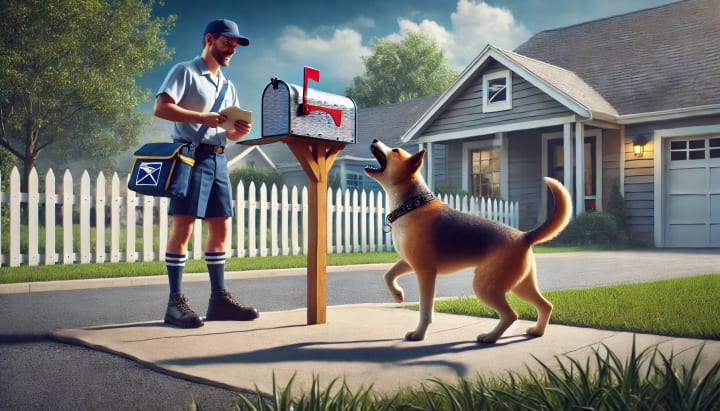
- Territorial Behavior: A dog might bark at the mail carrier or passersby to defend their territory.
- Excitement or Playfulness: Barking during play or when meeting new people is common.
- Boredom or Lack of Exercise: A dog with pent-up energy often vocalizes their frustration.
Before reaching for a whistle or other tool, identify the underlying cause of your dog’s barking. Observing their behavior can help you tailor a solution.
Do Dog Whistles Stop Barking?
The simple answer is no, not on their own. Dog whistles aren’t magical silencing devices. Here’s why:
- Ultrasounds Don’t Always Travel Well: High-frequency sounds are unlikely to travel through walls or over long distances, especially in noisy environments.
- Distraction, Not Solution: Whistles can grab a dog’s attention temporarily, but they don’t address the root cause of barking.
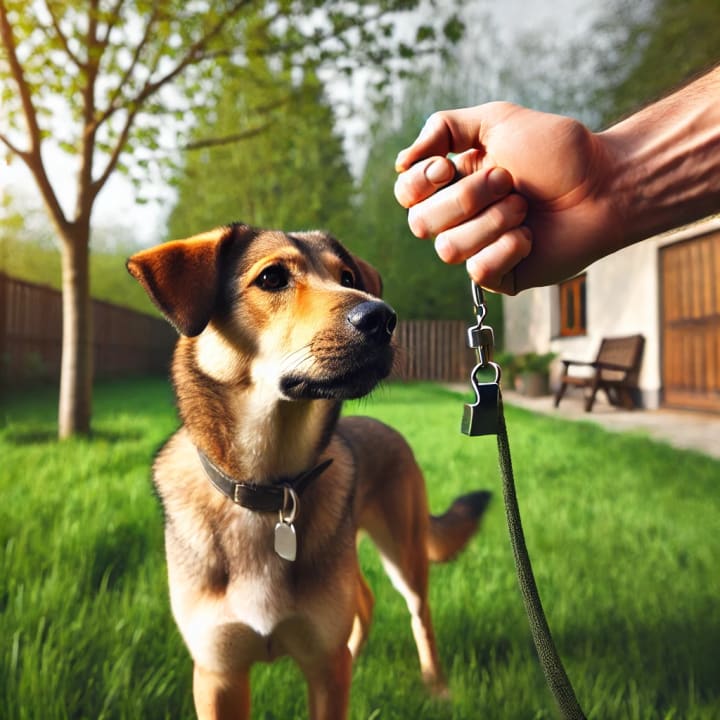
- Potential Risks: Misusing whistles or other devices that emit painful frequencies can harm a dog’s hearing and erode their trust in you.
How to Use a Dog Whistle for Training
Whistles can still be a great tool when used correctly. They’re particularly effective for recall training and teaching a dog to focus. Here’s how you can incorporate whistles into your dog’s training:
Step 1: Choose the Right Whistle
- Ultrasonic Whistles: Silent to humans, these are ideal for subtle training.
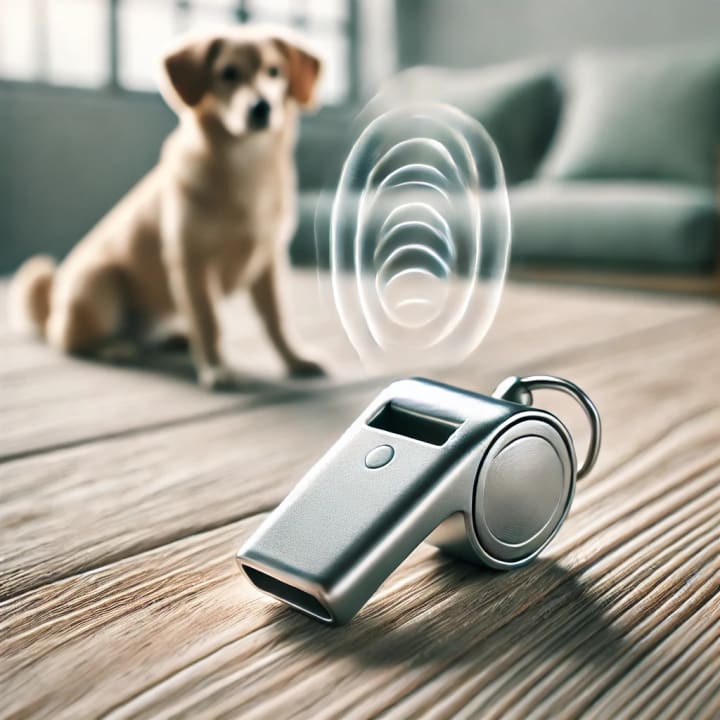
- Audible Whistles: Producing sounds both humans and dogs can hear, these are useful for ensuring your dog hears the cue.
Step 2: Train “Speak” and “Quiet” Commands
Before using a whistle, teach your dog to bark on command (“speak”) and then stop (“quiet”). Use treats and praise to reinforce both behaviors.
Step 3: Pair the Whistle with Commands

Once your dog understands “quiet,” blow the whistle when they bark unnecessarily. Follow up with the “quiet” command, reward their silence, and repeat.
Step 4: Be Consistent
Training takes time. Practice daily in short sessions, gradually phasing out treats as your dog masters the behavior.
Alternatives to Dog Whistles
While whistles are helpful, they aren’t the only way to manage barking. Here are other effective strategies:
Increase Exercise

A tired dog is a quiet dog. Regular walks, play sessions, and mental stimulation can reduce boredom-related barking.
Provide Mental Stimulation

Interactive toys, puzzle feeders, or scent games keep your dog’s mind occupied and less focused on barking triggers.
Address Separation Anxiety
If your dog barks when left alone, create a comforting environment with familiar items, white noise, or soothing music.
Block Visual Triggers

Territorial barking often stems from visual stimuli. Block your dog’s view with curtains, frosted windows, or fences to reduce triggers.
What About Neighboring Dogs?
Dealing with a neighbor’s barking dog is tricky. They might not even realize their dog is causing a disturbance, especially if it barks while they’re away.
Here’s how to handle it:
- Start with a Friendly Conversation: Approach your neighbors calmly and let them know about the issue. They may appreciate your feedback and take steps to address it.

- Suggest Solutions: Share training tips or recommend professional behaviorists to help with their dog’s barking.
Avoid using repellents or loud devices that could harm their dog or escalate tensions between neighbors.
Avoiding Harmful Anti-Bark Devices
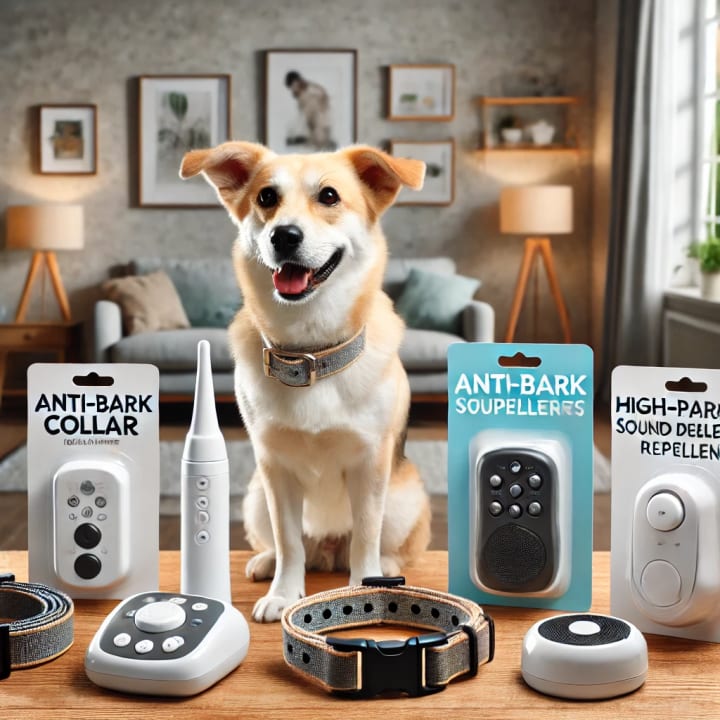
Some products, like anti-bark collars or high-pitched repellents, claim to stop barking instantly. However, these often rely on punishment rather than addressing the cause of the behavior.
Why You Should Avoid Them
- Cruelty: Devices that emit painful sounds or shocks can harm a dog’s mental and physical well-being.
- Ineffectiveness: They don’t solve the root problem and may lead to more stress or aggression.
Choose humane training methods that build trust and promote positive behavior.
The Role of Positive Reinforcement
Training with positive reinforcement is the most effective way to reduce barking. When your dog exhibits the behavior you want, reward them with treats, praise, or affection.
Tips for Success
- Reward Quiet Moments: Praise your dog when they remain calm during triggers.
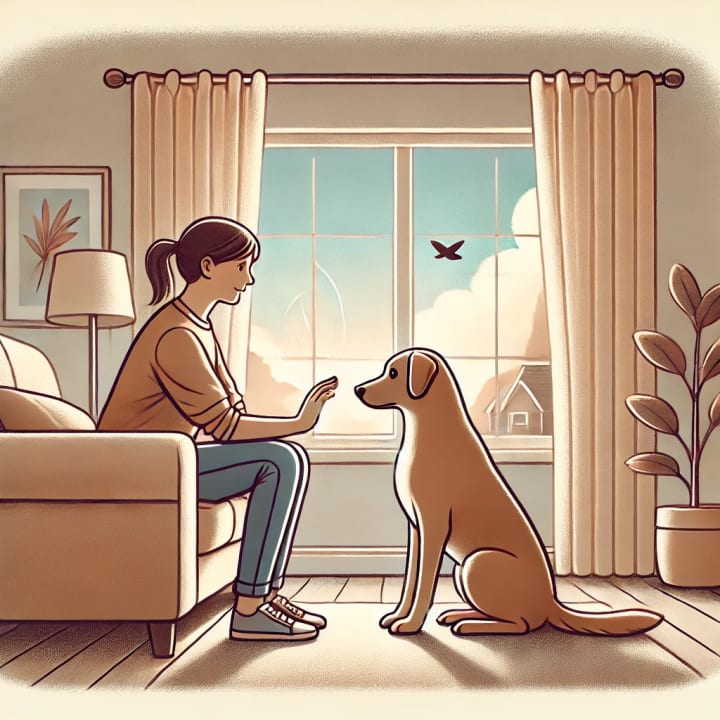
- Use High-Value Treats: For new or challenging behaviors, use special treats like chicken or cheese.
- Stay Patient and Consistent: Training takes time, but consistency pays off in the long run.
Final Thoughts - A Balanced Approach to Barking
Managing barking isn’t about silencing your dog entirely—it’s about teaching them when barking is appropriate and when it’s time to stop.
Dog whistles can be a helpful tool, but they’re not a standalone solution. Combine them with positive reinforcement, exercise, and an understanding of your dog’s needs for the best results.

With patience and the right approach, you can create a peaceful, happy environment for both you and your furry friend. Remember, barking is just your dog’s way of communicating. By listening to their needs, you’ll build a stronger bond and a quieter home.
Thanks for your reading.
About the Creator
Off the Leash: The Essential Gear Guide for Adventurous Dogs
There’s something wildly freeing about unclipping the leash and letting your dog move the way they were built to. If you’re hiking in areas that truly allow off-lead exploration, your gear list shifts. No harness. No leash dragging through dust. Instead, it’s about smart, lightweight essentials that keep your dog safe, hydrated, and easy to manage when adventure gets messy. Long walks off lead are less about control and more about preparation.
By Shabbir Ahmad6 days ago in Petlife




Comments
There are no comments for this story
Be the first to respond and start the conversation.