
How to stop a dog from biting ankles and pants
Dogs chase pant legs for fun, fear, or habit, but it can quickly become a problem. Understanding their motivation is the first step to stopping it. With treats, patience, and training, you can redirect their focus, teach calm behaviors, and build trust. Let’s turn this frustrating habit into a chance for growth and connection!
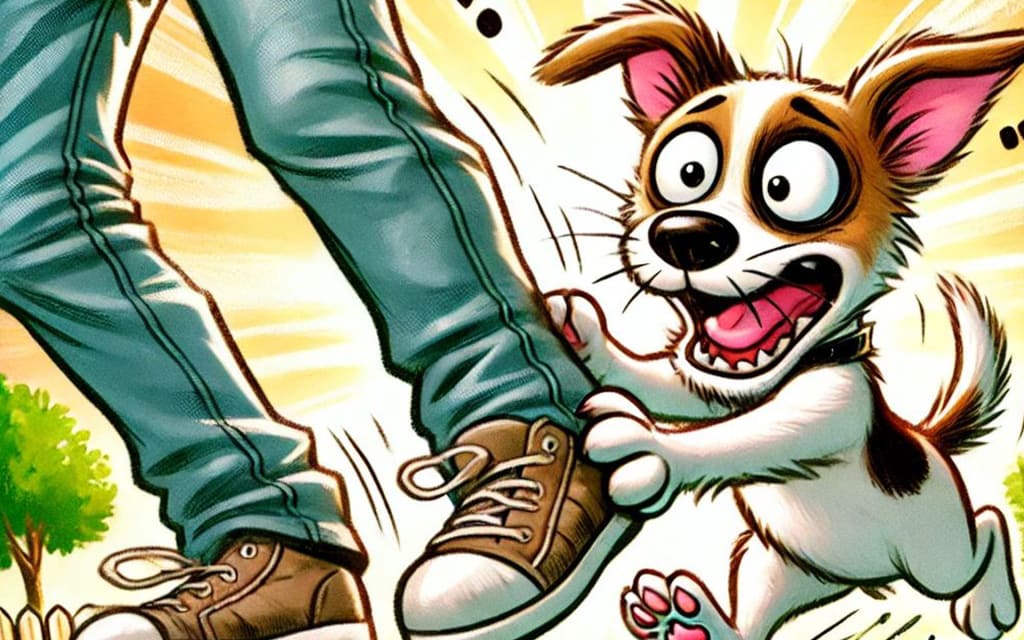
Why Do Dogs Chase Pant Legs and Bite Ankles?
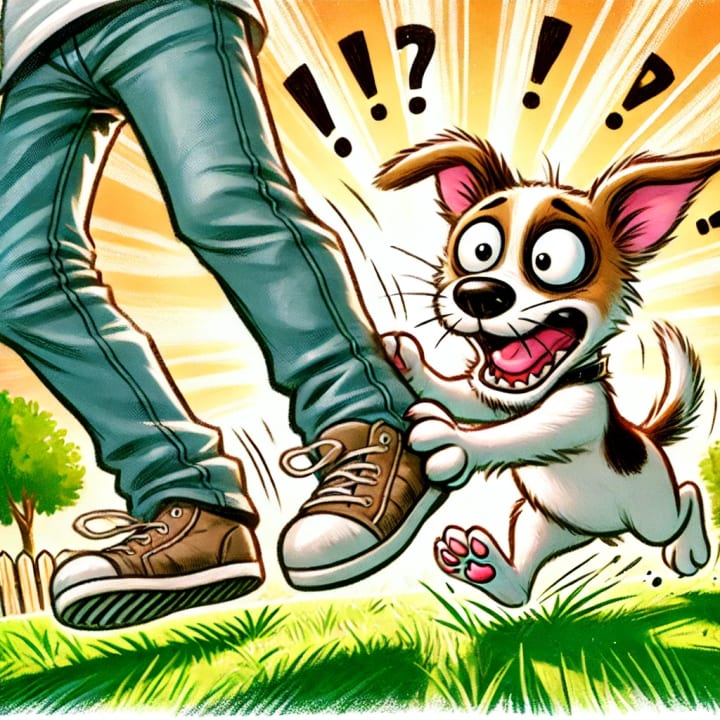
Ah, the infamous ankle-biter. A reputation that precedes many small dogs, but not without reason. One such story comes to mind—a newly rescued Lisas, barely a year old, causing havoc in his new home. His owner, at her wit's end, contacted me for help after failed attempts to curb his lunging and nipping behavior. The poor dog wasn’t just chasing pant legs for fun; he was terrorizing innocent passersby to the point where his owner resorted to walking him in secluded areas.
After discussing the situation, it was clear her methods—yelling and leash corrections—were ineffective, even making things worse. A harness was my first recommendation to protect his delicate trachea. But the real work lay in understanding why this behavior happens and how to fix it.
Reasons Dogs Chase Pant Legs
Dogs, especially small ones, have their reasons for targeting our legs. While it might seem like they’ve declared war on pant fabrics everywhere, the truth is more nuanced.
1. Easy Target: For smaller breeds, like the Lisas, ankles and legs are simply the easiest body part to reach. It’s a practical matter of size and proximity.
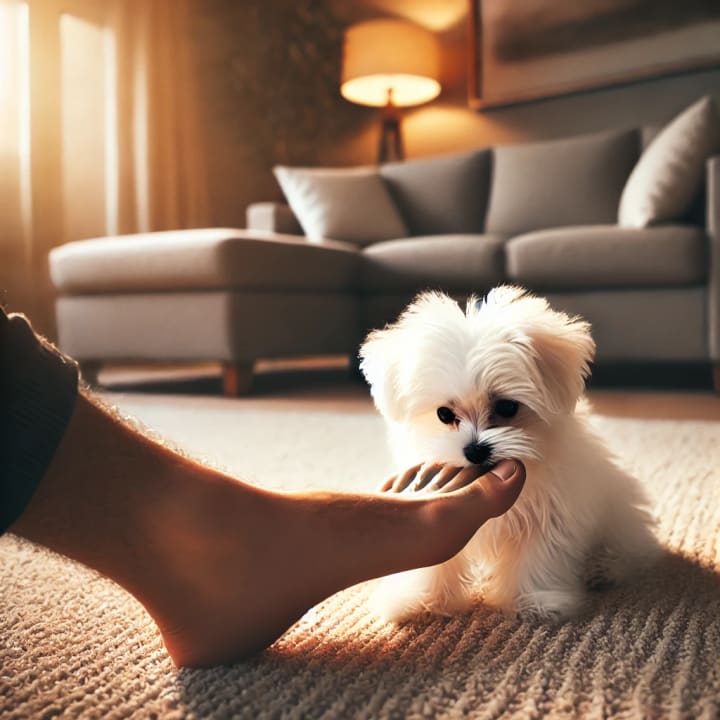
2. Attention or Control: Sometimes, this behavior isn’t about aggression but about playfulness or a need for attention. Your dog might also be trying to control your movement, especially in the home.
Free e-book you will learn how to play “The Airplane Game” designed to improve your dog’s ability to pay attention to you despite distractions, click HERE
3. Fear-Based Reaction: Surprisingly, fear can drive this behavior, even if it looks aggressive. The dog feels threatened and uses lunging as a defense mechanism.
4. Learned Behavior: Dogs are quick learners. If lunging at legs makes people move away, they see it as a win. This reinforces the behavior, much like a person stomping to scare off a cat—if it works once, they’ll do it again.
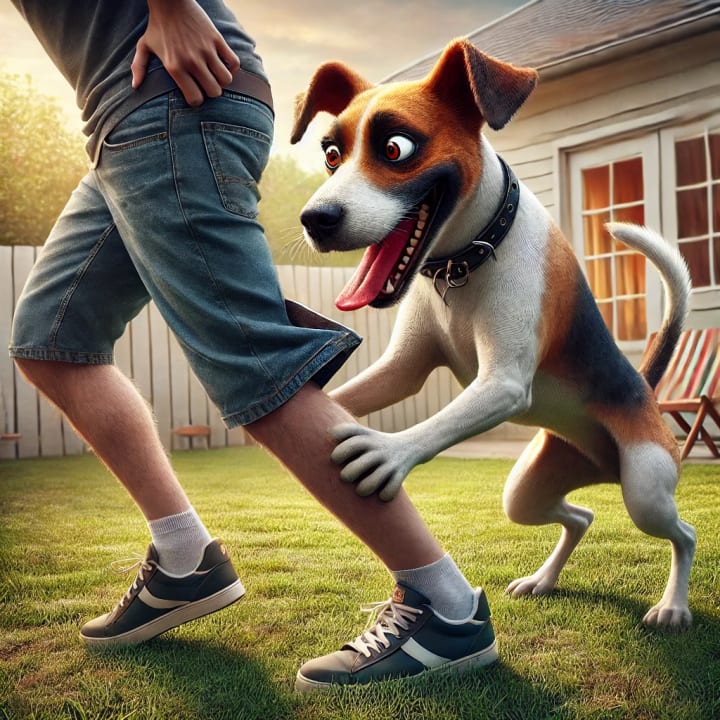
5. Predatory Drive or Play: Many dogs, especially puppies, see moving pant legs as irresistible. It’s a game, a free version of tug-of-war, and the more you move, the more fun it becomes.
So, What Can You Do?
The owner of the Lisas was ready to give up, even considering returning him to the rescue. But I assured her that while behavior modification takes time and effort, success was possible. The key? Replace the unwanted behavior with something better.
Step 1: Start With Alternate Behaviors
Correcting bad behavior is tricky—especially when it’s fear-based. Instead of simply punishing the dog, provide an alternate, rewarding behavior. Here’s how:
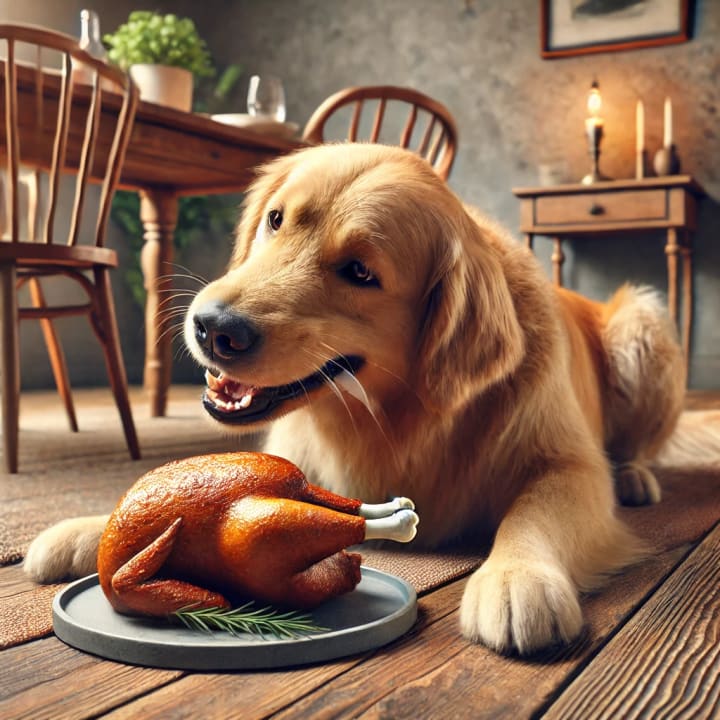
- Use High-Value Treats: Forget boring kibble. Break out the good stuff—roasted chicken, freeze-dried liver, or tiny bits of cheese. These treats are your secret weapon.
2. Teach Eye Contact: Start in a distraction-free room. Make a smacking noise with your mouth and immediately follow it with a treat. Repeat until your dog associates the sound with rewards. Then, ask for eye contact by holding the treat at your eye level. Reward the moment your dog looks at you.
3. Gradually Increase Distractions: Practice eye contact in increasingly distracting environments—first the yard, then a quiet street, and eventually busier areas. If the dog struggles, move to a less distracting space and rebuild confidence.
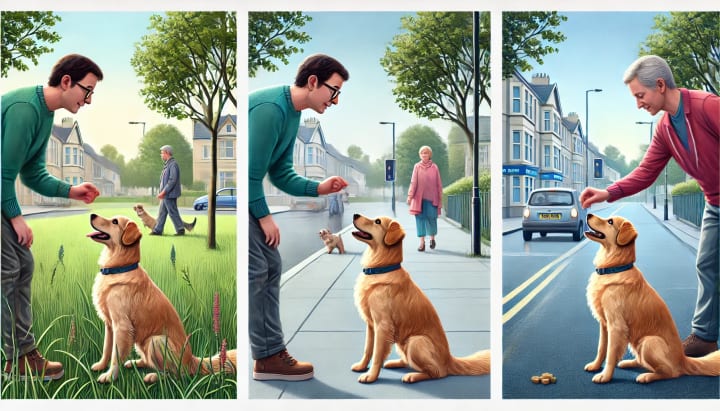
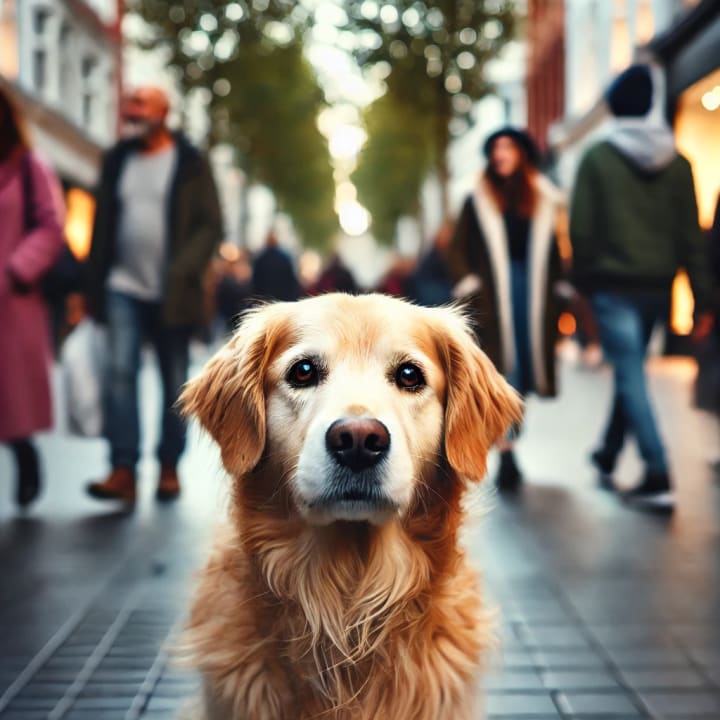
4. Walk "Under Threshold": Find a distance where your dog can see a passerby without reacting. Use the smacking noise to redirect his focus, rewarding eye contact each time someone passes. Over time, this rewires his brain: person passing = treats!
Step 2: Special Tips for Puppies
If you’ve got a puppy biting at your pants, remember: they’re not being naughty; they’re having fun. Tugging at pant legs provides stimulation and relief for teething gums. Here’s how to stop it:
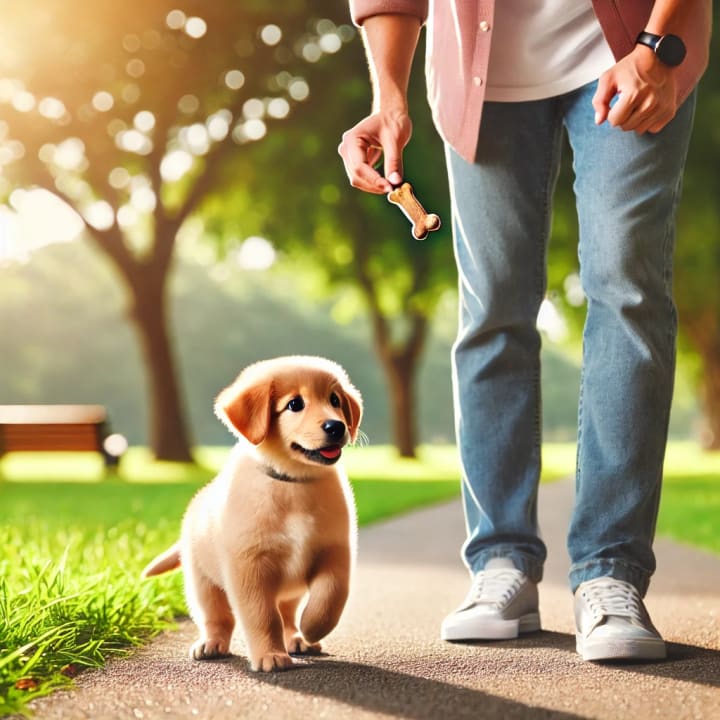
1. Redirect Early: Reward your puppy for walking calmly beside you. Use treats to reinforce good behavior before they even think about grabbing your pants.
Free e-book you will learn how to play “The Airplane Game” designed to improve your dog’s ability to pay attention to you despite distractions, click HERE
2. Stay Calm: If your puppy does latch on, don’t yell or push them away. This often turns the incident into a game. Calmly remove their grip, redirect their attention, and reward them for sitting or walking nicely.
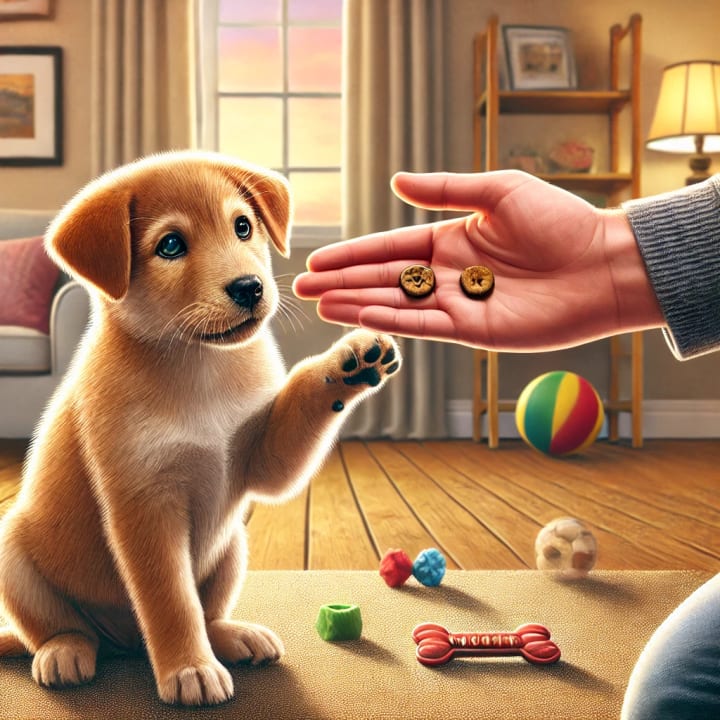
3. Be Prepared: Puppies are opportunists. Always have treats on hand during training sessions. If your puppy starts to learn they get nothing for biting but everything for staying calm, they’ll pick the latter.
4. Balance Activity and Rest: Over-tired puppies are prone to misbehavior. If your puppy is acting out, it might be time for a nap rather than more training.
Why Alternate Behaviors Work
Teaching alternate behaviors isn’t just a clever trick—it’s a game-changer. Here’s why:
1. Busy Dogs Can’t Misbehave: A dog making eye contact or sitting can’t lunge at pant legs. You’re essentially replacing an old habit with a better one.
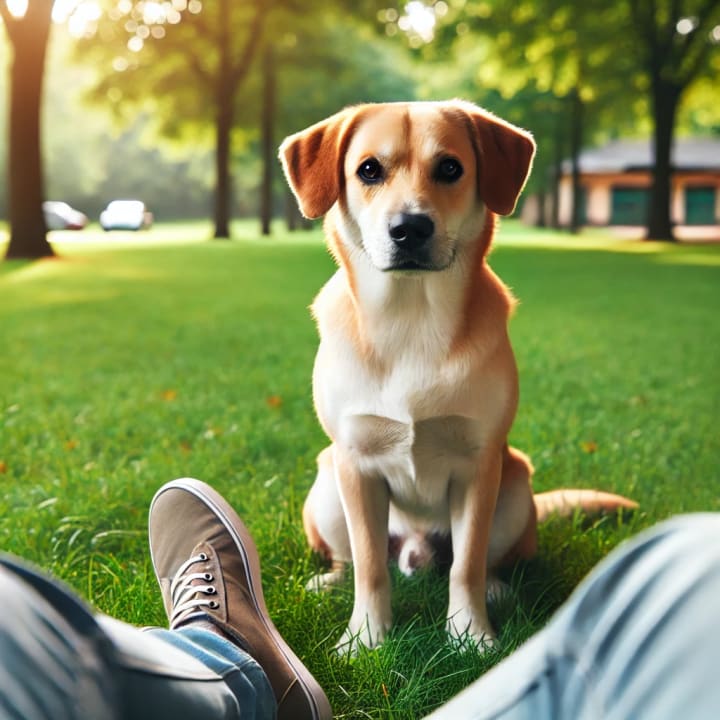
2. Changing Emotional States: Repeatedly associating passersby with treats shifts your dog’s emotional response. Over time, they’ll see strangers as an opportunity for rewards, not a threat.
Free e-book you will learn how to play “The Airplane Game” designed to improve your dog’s ability to pay attention to you despite distractions, click HERE
3. Improved Reputation: Imagine a dog that walks calmly past people, looking at you lovingly. It’s not just a win for your dog—it’s a win for your social life.
Practical Exercises for Success
1. The Smacking Sound Game: Use the smacking sound and reward eye contact in increasingly challenging environments.
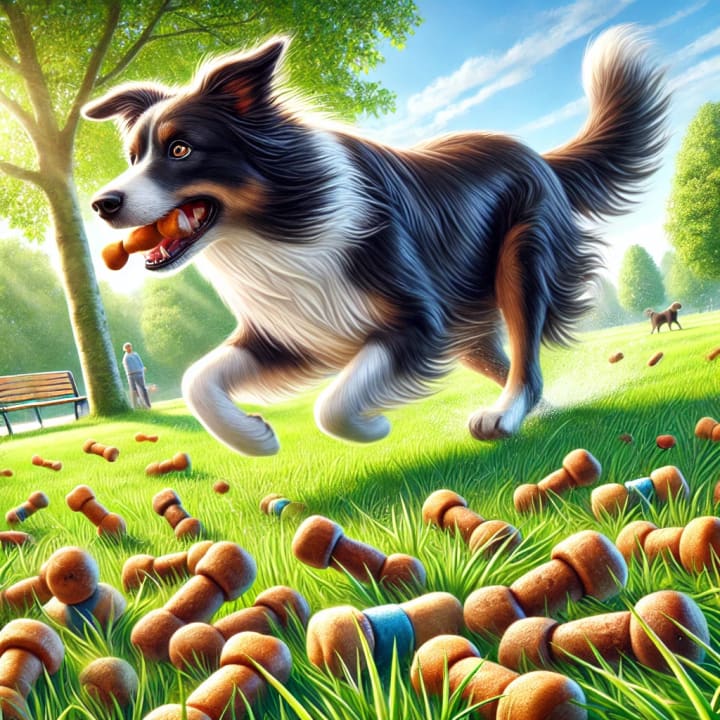
2. The Treat Toss: For dogs with a strong prey drive, tossing treats on the ground can redirect their focus and satisfy their chasing instincts.
3. Controlled Practice: Enlist volunteers to act as passersby in a controlled setting. This gives your dog safe opportunities to learn.
A Happier, Calmer Dog
With patience, consistency, and the right approach, even the most stubborn ankle-biters can learn better habits. That little Lisas? He’s no longer terrorizing the neighborhood. Instead, he walks calmly on a leash, happily looking to his owner for the next treat.
Training isn’t about dominance or quick fixes—it’s about understanding and collaboration. And when you get it right, it’s magic. So, grab those treats, take a deep breath, and get to work. Your dog’s better behavior is just a few training sessions away.
Thanks for your reading.
About the Creator
A Dart at Dusk
Seconds ago, the sullen sun set on the two of us… my exuberant furry companion and me. A fresh breeze embraces us, delivering welcome relief from the day’s oppressive heat. His typical stumbling and staggering along — apace with a sloth — has turned into trip-trapping, high-stepping, almost skipping along.
By Angie the Archivist 📚🪶2 days ago in Petlife
Why Does Your Dog Ignore the Come Command and How to Fix It
You are standing at the dog park, leash in hand, already late. Your dog is twenty feet away, nose glued to the ground. You call their name. Nothing. You try again, louder this time. A few people glance over. Your dog looks up, considers you for half a second, then goes right back to sniffing. If you have ever felt your face get hot while calling your dog over and over, you are in familiar territory.
By Aleksandar Mishkov4 days ago in Petlife



Comments (1)
I wish I had known about the eye contact technique 20 years ago 🥲