
How to train a dog to recall using a whistle
Dog whistle training offers a simple and effective way to achieve flawless recall and better communication with your dog. Using clear, consistent, and emotion-free commands, this method transforms behavior while strengthening your bond. From positive associations to advanced skills, a whistle makes every recall reliable. Whether you’re working with a playful pup or a spirited adult dog, this guide helps you build trust and control effortlessly.


The Power of Dog Whistle Training to Perfect Recall
Dog whistle training is a misunderstood gem in the world of dog training. Can you believe some people think dogs naturally understand that a whistle means “come back”? Let me set the record straight: dogs aren’t born knowing this, but with the right guidance, a whistle can become your secret weapon for perfect recall.

If you’ve ever watched a skilled sheepdog handler, you’ve seen whistle control at its finest. That level of precision is no accident; it’s the result of dedication, practice, and understanding the principles behind whistle training. The good news? You don’t need to be a professional to achieve this level of communication with your dog. In this guide, I’ll show you how to use a dog whistle to teach your pup to come back the first time, every time, even in the face of distractions.
Why Whistle Training Works So Well
A dog whistle might seem like a simple tool, but its effectiveness lies in its consistency, neutrality, and universality. Let’s break it down:
1. A Whistle Is a Universal Language

Dogs hear multiple voices daily—yours, your partner’s, the kids’. Every voice carries its own tone, pitch, and emotional nuance, which can be confusing for your pup. A whistle, however, sounds the same no matter who’s using it. Whether it’s a family member or a stranger, your dog learns to respond to the whistle consistently.
Free e-book you will learnhow to play “The Airplane Game” designed to improve your dog’s ability to pay attention to you despite distractions, CLICK HERE
2. Emotion-Free Communication

Ever tried calling your dog when you’re frustrated or panicked? Chances are, your dog picked up on your tone and either hesitated or ignored you altogether. A whistle eliminates emotion from the equation. It’s neutral, constant, and delivers a clear command your dog can’t misinterpret.
3. Long-Distance Reach

In a crowded park or an open field, your voice can get lost in the noise, but a whistle cuts through the chaos. Its sharp, high-pitched sound carries much farther than most voices, ensuring your dog hears it even from a distance.
4. Dogs Love the Whistle

A properly trained dog associates the whistle with positivity and excitement. For them, it’s as thrilling as the sound of a treat bag being opened or the fridge door creaking. My own dogs lose their minds in excitement when they hear the whistle—they know it means something amazing is about to happen.
My Journey with Whistle Training - A Labrador Named Lucille
Let me tell you about Lucille, my first dog and the reason I became a die-hard fan of whistle training. Lucille was a gorgeous yellow Labrador with endless energy and intelligence. As a puppy, he was a joy to train. Sit, stay, fetch—you name it, he mastered it with ease. Life was good.

But then adolescence hit, and everything changed. Suddenly, my once-obedient pup was a rebellious teenager. His recall was spotty at best. If there was an interesting smell, another dog, or even a gust of wind, he’d ignore me completely. Frustration doesn’t even begin to describe how I felt.

Enter the dog whistle. At first, I was skeptical. Could something so simple really work? The answer was a resounding yes. With patience and practice, Lucille’s recall transformed. He went from ignoring my calls to responding instantly, no matter the distractions. Since then, every dog I’ve trained—no matter the breed or temperament—has thrived with whistle training.
The Benefits of Whistle Training
Whistle training isn’t just effective—it’s a game-changer. Here’s what it can do for you and your dog:
- Guarantee Recall: Whether you’re at the park, the beach, or your backyard, a whistle ensures your dog comes back every time.

- Improve Safety: Off-leash walks become stress-free when you know your dog will respond immediately to your whistle.
- Impress Others: Imagine your friends’ faces when your dog comes running on the first toot of the whistle.

- Simplify Training: Whistles are affordable, durable, and easy to use. Mine has lasted over a decade and trained countless dogs.
How to Start Whistle Training - Five Steps to Success
Whistle training doesn’t have to be complicated. Follow these five simple steps to get started:
Step 1: Make the Whistle Exciting

Begin by associating the whistle with positive experiences. Blow the whistle right before feeding your dog or starting a play session. This builds a strong connection between the whistle and good things.
Step 2: Practice Indoors

In a quiet environment, blow the whistle and reward your dog when they come to you. Use high-value treats or their favorite toy. Keep it simple and fun.
Step 3: Take It Outside

Move the training to your garden. Blow the whistle when your dog is distracted and reward them for coming to you. Make it a game by running away so they chase you. The more exciting you make it, the better.
Step 4: Introduce Public Spaces

Once your dog is reliable at home, practice in a confined public area. Use the whistle only when they’re likely to succeed, and reward them generously for responding.
Step 5: Add Challenges Gradually

As your dog’s skills improve, increase the difficulty. Practice in busier environments with more distractions. Remember to keep sessions short and always end on a positive note.
Avoiding Common Pitfalls
Even with the best intentions, mistakes can happen. Here’s how to avoid them:
- Don’t Overuse the Whistle: Keep the whistle special by using it sparingly, especially during training.

- Always Reward Success: Positive reinforcement is key. If your dog responds to the whistle, reward them every time during the early stages.
- Be Patient: Training takes time. Celebrate small victories and build on them gradually.
Real-Life Whistle Training Scenarios
Emergency Situations

A whistle can be a lifesaver when your dog’s safety is at risk. Whether they’re running toward traffic or chasing wildlife, the whistle cuts through distractions and brings them back to you.
Advanced Commands

For working dogs, whistles can signal more than just recall. They’re used for stopping, turning, and other advanced commands, making them indispensable for activities like herding and hunting.
Off-Leash Adventures
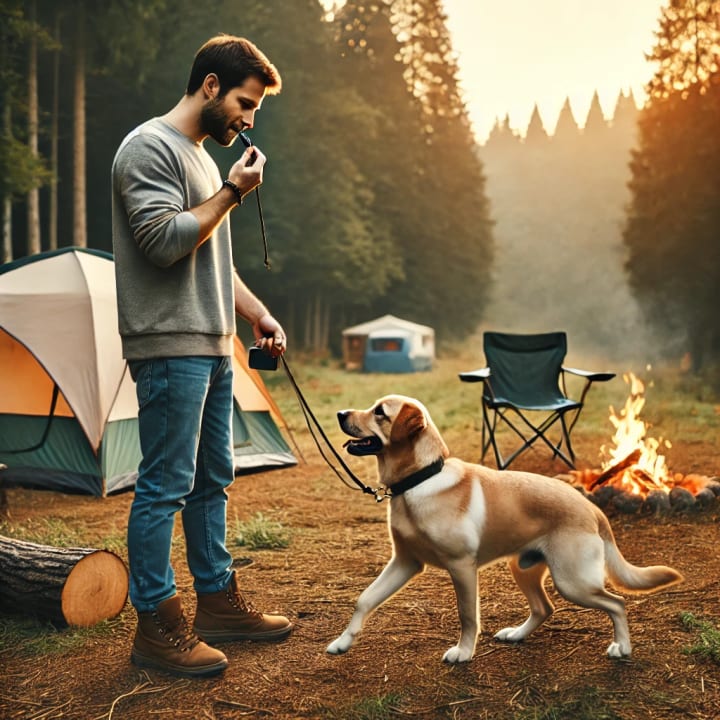
Whistle training allows you to enjoy off-leash walks without the fear of losing control. Whether you’re hiking, camping, or visiting a park, the whistle ensures your dog stays close and responsive.
Pro Tips for Whistle Training Success
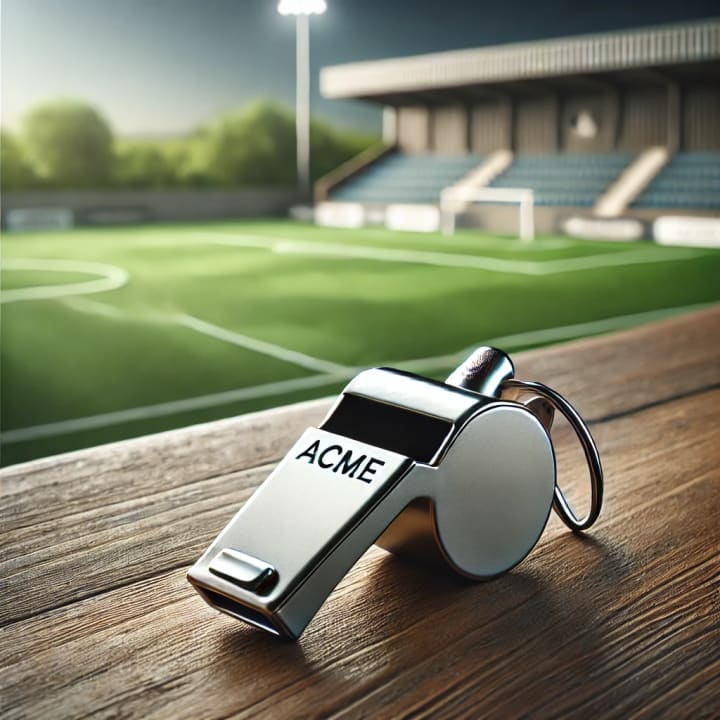
1. Choose the Right Whistle: Opt for a high-quality brand like Acme for consistent tone and durability.
2. Use High-Value Rewards: Treats like chicken or cheese work wonders, especially during the early stages.
3. Stay Consistent: Everyone in your household should use the same whistle tone and commands.
4. Practice Regularly: Incorporate whistle training into your daily routine for the best results.

5. Make It Fun: Dogs learn best when training feels like play. Keep sessions lighthearted and engaging.
Why You Should Try Whistle Training Today
Whistle training isn’t just a method—it’s a way to build a stronger bond with your dog. It’s about trust, communication, and making life more enjoyable for both of you. Whether you have a stubborn puppy, a high-energy adolescent, or an older dog, the whistle can work wonders.
Imagine calling your dog at the park and watching them sprint toward you with joy and excitement. That’s the power of whistle training. So grab a whistle, some treats, and start your journey today. You’ll wonder how you ever managed without it.
Thanks for your reading.



Comments
There are no comments for this story
Be the first to respond and start the conversation.