
Blame It on Your Heart
Everyone else does


I write a few poems, but not as many as some folks on Vocal. Most of my poems have to do with love. Either the desire for it, the tragedy of when it doesn’t work, or dealing with feelings of love. I am a big softie at heart, I guess!
And there we have it. We blame everything to do with love on our hearts. We talk about “loving you with all my heart” and “you will break my heart.” All our love and emotions seem to be directed at our hearts. We blame everything good or bad on our hearts.
The reality is our hearts have nothing to do with how we feel. All our feelings begin in the brain. Yes, emotions and love do appear to live in the heart, or at least that is how it seems. When we feel love or strong emotions, our central nervous system releases hormones. These hormones enter the bloodstream and impact our heartbeat.
It just would not be the same if we said, “I love you, write in my brain,” or "you have broken my brain!”
So, where did this whole heart thing start?
Ancient cultures believed it was the centre of emotion. Early Greek examples associated love with the heart in lyrical poetry. The poet Sappho agonised over her broken heart as a “mad heart that was quaking with love.” She lived on Lesbos, with female disciples around her. She wrote passionate poems, now lost except for fragments, like this one:
“Love shook my heart, like the wind on the mountain troubling the oak trees."
Not to be outdone, ancient Romans had Venus, the goddess of love. She was credited—or blamed—for igniting passions with the help of her son, Cupid. His darts, aimed at the heart, were always powerful. Cupid is commonly seen shooting arrows into lovers' hearts.
They thought the heart was the centre of all emotions. They believed in a special vein called the vena amoris. It was thought to run from the heart to the fourth finger on the right hand.
If that sounds familiar, it should. This is known as the ring finger in modern cultures, where we place a gold band or another symbol of love.
Strong feelings like love trigger physical reactions. You might feel your heart race or blush. These sensations often wash over your chest. Great minds like Aristotle and Plato furthered this idea. Poets like Shakespeare have continued to promote the concept throughout time.
The heart now symbolises passion, life, and romance.
The real heart actually looks nothing like the symbols used for love. We see the familiar symbol everywhere — in text messages, signs, cakes, clothing, and more. The heart icon underwent a huge transformation in 1977, when the “I love NY” logo was created.

Milton Glaser designed the famous logo to lift city morale. At that time, crime was rampant, trash filled the streets, and the city teetered on the brink of bankruptcy. It was also used to boost tourism.
In 1999, a Japanese provider introduced the first heart-shaped emojis for mobile phones. Now there are more than 30 different heart-based emojis.
The brain doesn’t create the same visual impact as the heart. So, it’s likely better that it evolved this way. It's a better symbol of love and passion than body parts, but let's not go there.
Till next time,
Calvin
About the Creator
Calvin London
I write fiction, non-fiction and poetry about all things weird and wonderful, past and present. Life is full of different things to spark your imagination. All you have to do is embrace it - join me on my journey.
Reader insights
Outstanding
Excellent work. Looking forward to reading more!
Top insights
Compelling and original writing
Creative use of language & vocab
Easy to read and follow
Well-structured & engaging content
Expert insights and opinions
Arguments were carefully researched and presented
Eye opening
Niche topic & fresh perspectives
Heartfelt and relatable
The story invoked strong personal emotions
Masterful proofreading
Zero grammar & spelling mistakes
On-point and relevant
Writing reflected the title & theme
Keep reading
More stories from Calvin London and writers in FYI and other communities.
A Planetary Alignment will coincide with Mercury Retrograde
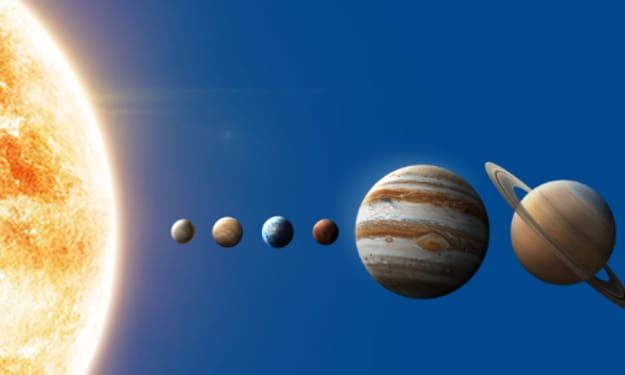
Double phenomena in the heavens Some people say in jest that the planets have aligned in their favor when life works the way they desire. Were you aware that there are seasons when things do line up in the heavens? There will be a planetary alignment AKA a planet parade, on February 28, 2026.
By Cheryl E Preston7 days ago in FYI
Partner Visa Appeal Evidence: What Works Best For You
After a Partner Visa refusal, many applicants believe the solution is simple: I’ll just submit more evidence to the ART. But in reality, quantity does not win appeals; relevance and credibility do. So, instead of submitting a bunch of evidence, you must understand what evidence works best for a Partner Visa appeal.
By Indah Melindasari7 days ago in FYI



Comments (11)
I think there is more than one type of love. Sometimes, your brain may tell you something is right, but there is no passion. Other times, you can't put words on the feelings that you have for someone but they make you want to stay by their side. So, though the brain may play a small part, there is always the question as to why a person can fall for someone who does the same things for them as someone else and is similar to another person in several ways but still finds one of those people more attractive than the other.
Only people who’ve felt deep love or longing get the meaning of a real, honest heart.
Calvin, I love how you traced the journey of the heart from ancient poets to modern emojis, Makes me appreciate the symbolism even more.
Congratulations on your well-deserved top story!!🎉🎉🎉
Exceptional words here
This was very interesting, Calvin. Especially as a writer of heart (brain)
Some excellent points
your article remind me a phrase of a book, the forty rules of love!
The heart is so powerful. It is only those who long or have known understands the meaning of Tru loving honest heart 🦋🦋🦋
💖Calvin, the way you repeated the word heart made it ring like a bell in my ear, a brilliant use of Diacope. It completely disarmed me. 💖That vena amoris fact was stunning; it felt like it surged with so much blood it shook the ring off my finger! I also loved the legacy of the heart symbol tied to the 1977 logo.
Well, the brain is our computer but the heart pumps the blood. 2 body organs that work together - one for thinking and dreaming and the other to keep us oxygenated and loving. Great article - for sure I like the heart emoji better than a creviced brain. 🧠