
The Paradox of Our Time: Fighting Loneliness in a Connected World
Exploring the Hidden Impact of Isolation in the Age of Social Connection

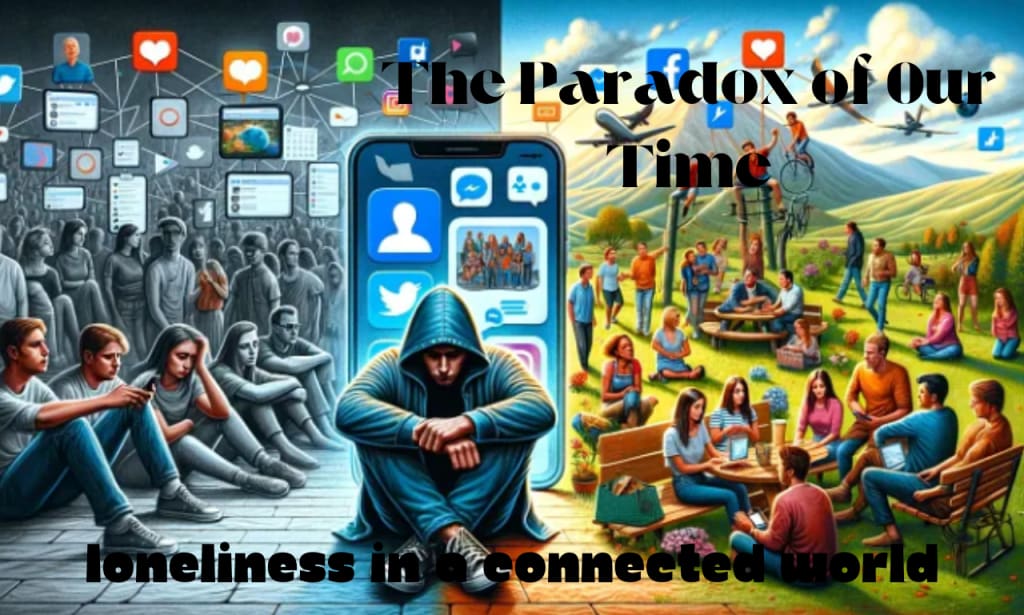
Introduction: A World More Connected Yet Apart
We live in an age where technology has bridged vast distances, allowing us to communicate in real-time across the globe. Yet, paradoxically, loneliness has become a silent epidemic. Despite the constant notifications, video calls, and scrolling through social media feeds, many people report feeling isolated, unfulfilled, and unseen. This paradox of our time raises a poignant question: how can we be surrounded by connectivity and still feel so disconnected?
Understanding Loneliness: The Invisible Burden
Loneliness is not merely about being alone; it’s the perceived gap between the social connections we have and the ones we desire. It can stem from various circumstances—relocation to a new city, a breakup, or even the feeling of not being understood by those around us.
The Emotional Toll
The emotional impact of loneliness is profound. Persistent feelings of isolation can lead to anxiety, depression, and a decline in self-esteem. The lack of meaningful connections can make individuals feel as though they’re navigating life’s challenges entirely on their own, creating a vicious cycle of withdrawal and further isolation.
The Physical Consequences
The effects of loneliness extend beyond mental health. Research highlights that prolonged loneliness can increase the risk of heart disease, weaken the immune system, and even shorten life expectancy. Alarmingly, some studies equate the health risks of chronic loneliness to smoking 15 cigarettes a day.
Why Loneliness Persists in the Digital Age
One of the most puzzling aspects of modern loneliness is its prevalence in an era defined by social media and digital interaction. While these platforms promise connection, they often deliver a superficial sense of belonging.
Comparison Culture: Constant exposure to curated highlights of others' lives can breed feelings of inadequacy and exclusion.
Lack of Depth: Digital connections, while plentiful, often lack the depth and intimacy of face-to-face interactions.
Overreliance on Technology: As we increasingly rely on screens for communication, we may neglect nurturing real-world relationships.
Breaking the Cycle of Loneliness
While the challenges of loneliness are significant, they are not insurmountable.
Here are practical steps to foster connection and combat isolation:
Reconnect with Yourself: Sometimes, the journey to overcoming loneliness starts within. Engage in self-care practices, reflect on your values, and explore hobbies that bring joy. When you feel grounded in yourself, connecting with others becomes more meaningful.
Prioritize Quality Over Quantity: It’s not the number of friends or followers that matters but the depth of those connections. Nurture relationships with people who genuinely care and understand you.
Step Out of Your Comfort Zone: Join local groups, attend community events, or volunteer. These activities provide opportunities to meet like-minded individuals and form authentic bonds.
Limit Social Media Use: While social platforms can be beneficial, they should complement—not replace—real-life interactions. Set boundaries and prioritize in-person connections whenever possible.
Seek Support: If loneliness feels overwhelming, don’t hesitate to reach out for help. Support groups, therapists, or online communities focused on emotional well-being can provide a sense of belonging.
A Collective Responsibility
While combating loneliness is a personal journey, society also has a role to play. Employers, educators, and policymakers can help by fostering environments that prioritize community and mental health. Initiatives like workplace wellness programs, neighborhood events, and support networks can create spaces where people feel valued and connected.
The Light at the End of the Tunnel
Though loneliness can feel all-consuming, it’s important to remember that it’s a shared human experience. Many have faced it and emerged stronger, discovering deeper connections with themselves and others along the way.
In this paradoxical era, the solution lies not in rejecting technology but in using it as a tool to enhance genuine connections. By prioritizing empathy, meaningful interactions, and community, we can bridge the gap between digital connection and emotional closeness.
Conclusion: Beyond the Paradox
The paradox of our time doesn’t have to define us. By acknowledging loneliness and taking proactive steps to address it, we can create a world that is not just connected in bytes and pixels but also in hearts and minds. After all, true connection lies not in the number of people around us but in the quality of the relationships we cherish.
About the Creator
mureed hussain
Hi, I’m a creative writer passionate about health & wellness, love, longevity, aging, and pet care. With extensive Quora experience, I craft engaging posts, thoughtful questions, and insightful answers.
Find me at>>[email protected]
Keep reading
More stories from mureed hussain and writers in Motivation and other communities.
Girls' Education: The Key to a Brighter Future
Education is a fundamental human right, yet millions of girls around the world are denied this opportunity. Gender inequality in education persists, but the stakes are too high to ignore. When girls are educated, they unlock their potential, break cycles of poverty, and drive progress for entire societies. Investing in girls’ education isn’t just a moral imperative—it’s a catalyst for global change.
By mureed hussain11 months ago in Motivation
BE HAPPY
Almost everyone have heard the hit single 'Don't Worry, Be Happy' by Bobby McFerrin. The song has a very catchy way of conveying its message of being happy to everyone. Bobby McFerrin’s simple message surely made a lot of people by telling them not to worry.
By Junaid Shahid a day ago in Motivation




Comments (1)
Very well written and informative. I can always tell how much you care through your writing..