
Girls' Education: The Key to a Brighter Future
How Empowering Girls Through Learning Transforms Lives, Communities, and the World


Education is a fundamental human right, yet millions of girls around the world are denied this opportunity. Gender inequality in education persists, but the stakes are too high to ignore. When girls are educated, they unlock their potential, break cycles of poverty, and drive progress for entire societies. Investing in girls’ education isn’t just a moral imperative—it’s a catalyst for global change.
The Power of Educating Girls
Transforming Lives
Girls who receive an education are more likely to lead healthy, productive lives. They marry later, have fewer children, and are better equipped to care for their families. Education empowers girls to make informed decisions about their futures, from career choices to family planning.
Strengthening Economies
Educated girls grow into women who contribute to their economies. Studies show that every additional year of schooling for girls increases their lifetime earnings by up to 20%. When girls thrive, economies grow, and inequality shrinks.
Building Resilient Societies
Girls’ education leads to more stable and resilient communities. Educated women are more likely to participate in decision-making processes, advocate for their rights, and challenge harmful norms. This creates a ripple effect, benefiting everyone—boys and men included.
The Barriers Girls Face
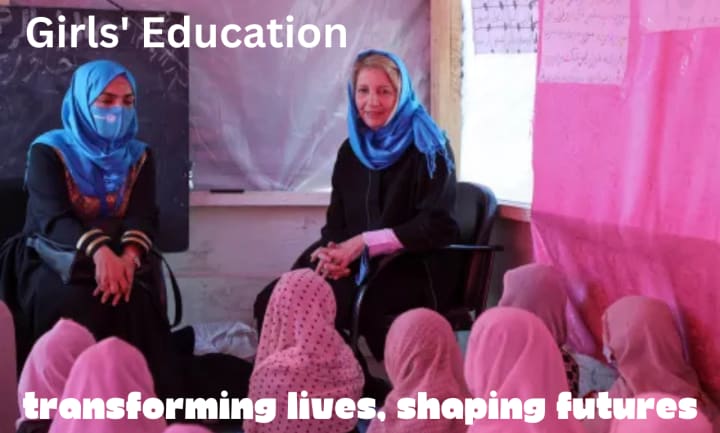
Despite the proven benefits, 119 million girls worldwide are out of school. The reasons are complex and deeply rooted in societal norms and systemic inequalities.
Poverty
In many low-income families, boys are prioritized when it comes to education. Girls are often expected to help with household chores or marry young, cutting their education short.
Child Marriage
Every year, 12 million girls are married before the age of 18. Early marriage often means the end of a girl’s education and the beginning of a life filled with challenges.
Gender-Based Violence
Schools can be unsafe spaces for girls, with risks of harassment, assault, and discrimination. Without safe and supportive environments, many girls are forced to drop out.
Lack of Resources
In some regions, schools lack basic facilities like clean water, sanitation, and hygiene, making it difficult for girls to attend, especially during menstruation.
Why Girls’ Education Matters
Health Benefits
Educated girls are more likely to have healthier families. They understand the importance of nutrition, vaccination, and prenatal care, leading to lower child and maternal mortality rates.
Economic Growth
Countries with higher rates of girls’ education experience faster economic growth. Educated women contribute to the workforce, innovate, and drive productivity.
Breaking Cycles of Poverty
When girls are educated, they reinvest in their families and communities. This creates a positive cycle of opportunity and prosperity.
How to Bridge the Gap
Gender-Responsive Education Systems
Schools must address the unique needs of girls. This includes providing safe learning environments, gender-sensitive curricula, and support for girls pursuing underrepresented fields like STEM.
Community Engagement
Changing societal norms requires collective effort. Communities must challenge harmful practices like child marriage and gender-based violence, and advocate for girls’ right to education.
Policy and Investment
Governments and organizations must prioritize funding for girls’ education. Policies that promote gender equality, such as scholarships for girls and teacher training, are essential.
Empowering Boys
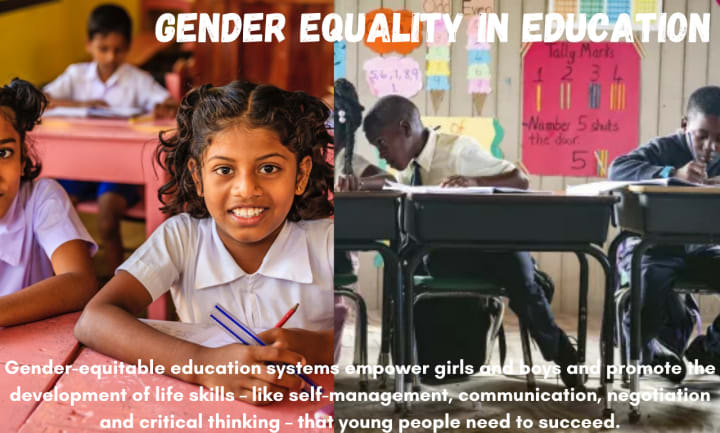
Gender equality in education benefits boys too. By challenging harmful norms around masculinity, we can create a more inclusive and equitable society for all.
What You Can Do
The fight for girls’ education isn’t just the responsibility of policymakers—it’s up to all of us. Here’s how you can help:
Support Organizations: Donate to or volunteer with organizations working to educate girls globally.
Raise Awareness: Share stories and data about the importance of girls’ education on social media.
Advocate: Push for policies that promote gender equality in education at local, national, and global levels.
Mentor: Support girls in your community by mentoring or tutoring them.
In Conclusion
Girls’ education is more than just a moral obligation—it’s a pathway to a better world. When we invest in girls, we invest in healthier families, stronger economies, and more resilient societies. The barriers are significant, but the rewards are immeasurable.
Let’s work together to ensure every girl has the opportunity to learn, grow, and thrive. Because when girls rise, we all rise.
- I'm so grateful you took the time to read. I hope this piece sparked something within you. I'd be delighted to hear your perspective in the comments, and subscribing will ensure you're along for the next adventure.
About the Creator
mureed hussain
Hi, I’m a creative writer passionate about health & wellness, love, longevity, aging, and pet care. With extensive Quora experience, I craft engaging posts, thoughtful questions, and insightful answers.
Find me at>>[email protected]
Keep reading
More stories from mureed hussain and writers in Motivation and other communities.
A Hero’s Heart: 14-Year-Old Boy Dives into Danger to Save Cat on Highway
It’s not every day that you witness a moment so pure, so selfless, that it restores your faith in humanity. But for Erin Brown, that moment came on a seemingly ordinary Sunday afternoon. While driving her 14-year-old son, Gavin, to a birthday party on February 12, Erin’s heart stopped as she saw something unimaginable unfold before her eyes.
By mureed hussain11 months ago in Motivation



Comments
There are no comments for this story
Be the first to respond and start the conversation.