
How to Get Rid of Fatty Liver: A Practical Guide to Regaining Liver Health
Simple Lifestyle Changes and Strategies to Reverse Fatty Liver Naturally


Fatty liver, also known as hepatic steatosis, is a condition caused by excessive fat buildup in the liver. While it’s common and often asymptomatic, if left untreated, it can lead to severe complications, including liver inflammation, fibrosis, and even cirrhosis. Fortunately, fatty liver is reversible in its early stages. Here’s how you can take charge of your liver health with practical steps and lifestyle changes.
Understanding Fatty Liver
Fatty liver can be classified into two main types:
1. Non-Alcoholic Fatty Liver Disease (NAFLD): Caused by factors like poor diet, obesity, or insulin resistance.
2. Alcoholic Fatty Liver Disease (AFLD): Triggered by excessive alcohol consumption.
Both forms share similar risks but require different approaches to treatment. Understanding the root cause of your condition is crucial to creating an effective plan for recovery.
Symptoms of Fatty Liver
Many people with fatty liver disease experience no symptoms, but some common indicators include:
• Fatigue or weakness
• Discomfort or pain in the upper right abdomen
• Unexplained weight gain
• Elevated liver enzymes (identified through blood tests)
If you suspect fatty liver, consult a healthcare provider for proper diagnosis.
Key Steps to Get Rid of Fatty Liver
1. Adopt a Balanced Diet
The food you eat plays a significant role in reversing fatty liver. Focus on these dietary adjustments:
• Cut Down on Sugars and Refined Carbs: Limit sugary drinks, candies, and processed foods to prevent fat buildup.
• Increase Fiber Intake: Incorporate vegetables, fruits, and whole grains to support liver detoxification.
• Choose Healthy Fats: Opt for sources like avocados, nuts, seeds, and olive oil instead of saturated fats and trans fats.
• Include Lean Protein: Foods like fish, chicken, and legumes can improve metabolism and help maintain muscle mass.
2. Maintain a Healthy Weight
Excess body weight is a major risk factor for fatty liver. Losing just 5–10% of your total body weight can significantly reduce liver fat. Focus on gradual, sustainable weight loss through a combination of diet and exercise.
3. Exercise Regularly
Physical activity helps burn fat stored in the liver and improves overall health. Aim for:
• Aerobic Exercises: Activities like walking, swimming, or cycling to reduce liver fat.
• Strength Training: Building muscle mass helps improve insulin sensitivity and boosts metabolism.
4. Limit Alcohol Consumption
For those with alcoholic fatty liver disease, reducing or completely eliminating alcohol is essential to halt liver damage. Even for NAFLD patients, cutting back on alcohol can lighten the liver’s workload.
5. Manage Underlying Conditions
Conditions like diabetes, high cholesterol, and high blood pressure can worsen fatty liver. Work with your healthcare provider to manage these issues effectively through medication, lifestyle changes, or both.
Natural Remedies to Support Liver Health
While lifestyle changes are key, some natural supplements and foods may support liver recovery:
• Green Tea: Rich in antioxidants, it helps reduce liver fat.
• Milk Thistle: Known for its liver-protective properties, milk thistle may aid in liver detoxification.
• Turmeric: Contains curcumin, which can reduce inflammation and protect liver cells.
• Coffee: Moderate coffee consumption has been shown to lower the risk of liver damage.
Always consult a healthcare professional before introducing supplements into your routine.
Avoiding Common Pitfalls
1. Crash Dieting
Drastic calorie restrictions or fad diets can stress your liver further. Focus on gradual weight loss with balanced nutrition.
2. Ignoring Symptoms
Fatty liver often progresses silently. Regular check-ups are essential to monitor liver health and catch any signs of progression.
3. Over-Reliance on Medications
While certain medications can help, lifestyle changes are the most effective and long-lasting treatment.
When to Seek Medical Help
If lifestyle changes don’t improve your condition or if you experience symptoms like jaundice, severe fatigue, or swelling in the abdomen, consult a specialist. Advanced stages of fatty liver, such as fibrosis or cirrhosis, may require medical interventions.
Fatty liver can feel overwhelming, but it’s a reversible condition with the right approach. By adopting a balanced diet, maintaining a healthy weight, exercising regularly, and addressing any underlying conditions, you can take significant steps toward a healthier liver. Remember, the journey to liver health is about consistency, not quick fixes.
About the Creator
Lucy watson
Hi, I am a professional freelance writer.
Keep reading
More stories from Lucy watson and writers in Longevity and other communities.
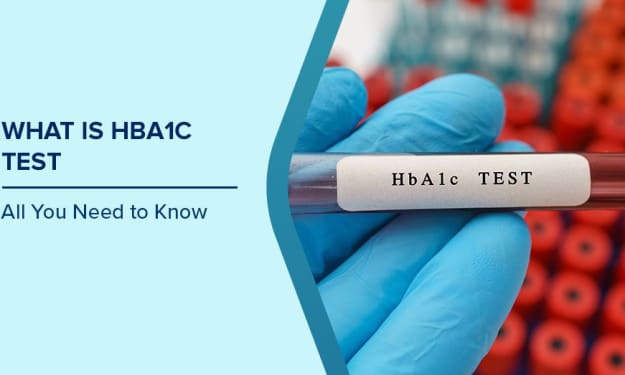
A complete guide to knowing the role of HbA1c Test
Health checkups are not just about blood pressure or cholesterol levels. For many people, especially those at risk for diabetes, the HbA1c test is a key tool to monitor blood sugar trends over time. It helps detect diabetes early, manage existing conditions, and assess treatment effectiveness. Knowing what the test measures and when to take it can make a big difference in preventing long-term complications.
By Lucy watson5 months ago in Longevity
Day 4 of Quitting
If this is how sobriety feels, maybe it’s better to go through life a little buzzed… this, along with other hits like, I want to kill myself, I wish I was dead, and I’m going to throw myself off a bridge have been the only thoughts on rotation these past few days. I promise myself that if, in a month, I still feel like this (‘this’ meaning despondent, full of rage, and simultaneously numb) I can go back to smoking. Until mid-February though? Nicotine is off the table.
By sleepy drafts5 days ago in Longevity
Common pain relievers may raise heart disease and stroke risk, doctors warn
Millions of people worldwide rely on over-the-counter (OTC) pain relievers every day to manage headaches, muscle pain, arthritis, and other ailments. However, recent studies and warnings from medical professionals suggest that frequent use of certain common painkillers may be linked to a heightened risk of heart disease and stroke. These findings have prompted doctors to advise patients to exercise caution, particularly those with pre-existing cardiovascular conditions or risk factors. Understanding Common Pain Relievers Pain relievers, also known as analgesics, come in various forms, including non-steroidal anti-inflammatory drugs (NSAIDs) such as ibuprofen, naproxen, and diclofenac. Acetaminophen (paracetamol) is another widely used painkiller, often considered gentler on the stomach than NSAIDs. While these medications can provide quick relief from discomfort, long-term or high-dose use may carry unintended health consequences. NSAIDs work by blocking enzymes involved in inflammation, thereby reducing pain and swelling. However, the same mechanisms that relieve pain can affect the cardiovascular system. By altering blood vessel function and promoting fluid retention, NSAIDs may increase blood pressure, strain the heart, and elevate the risk of clot formation—all of which can contribute to heart attacks or strokes. What the Research Says Several recent studies have shed light on the cardiovascular risks associated with regular NSAID use. For example, research published in major medical journals indicates that even short-term use of high-dose NSAIDs can slightly increase the risk of heart-related events. The risk grows with long-term, daily use, particularly among people who already have hypertension, diabetes, or a history of heart disease. Acetaminophen, while often considered safer for the heart, is not entirely risk-free. Some studies suggest that high doses over extended periods may affect blood pressure and liver function, indirectly influencing cardiovascular health. Doctors emphasize that dosage and frequency are critical factors, and taking more than the recommended amount can be dangerous. Who Is Most at Risk? While anyone can experience complications from frequent painkiller use, certain populations are particularly vulnerable. Adults over 50, individuals with high blood pressure, those with a family history of heart disease, and people with metabolic conditions such as diabetes are at heightened risk. Dr. Linda Thompson, a cardiologist at a leading U.S. hospital, explains: “Many patients underestimate the cardiovascular impact of medications they take for pain. People think, ‘It’s just ibuprofen, it’s safe.’ But repeated, long-term use can quietly increase the risk of heart attacks and strokes.” Practical Advice from Doctors Medical professionals urge patients not to panic but to be mindful of their painkiller use. Key recommendations include: Follow Dosage Guidelines: Always adhere to the instructions on the packaging or as prescribed by your doctor. Avoid exceeding recommended doses. Limit Duration: Avoid taking painkillers for extended periods unless advised by a healthcare provider. For chronic conditions, discuss safer long-term strategies. Monitor Cardiovascular Health: Regular blood pressure checks, cholesterol monitoring, and periodic heart evaluations are crucial for anyone who uses NSAIDs frequently. Consider Alternatives: Physical therapy, acupuncture, lifestyle changes such as weight management and exercise, and other non-drug interventions can reduce reliance on painkillers. Consult a Doctor: Before combining pain relievers with other medications or if you have existing heart conditions, seek professional guidance. The Importance of Awareness Public awareness about the cardiovascular risks associated with common pain relievers is limited. Many people take these drugs casually, assuming that over-the-counter availability equals safety. However, as Dr. Thompson notes, “Accessibility doesn’t guarantee harmlessness. Awareness is the first step in preventing serious complications.” Healthcare providers are also working to educate patients on the importance of individualized treatment plans. Some patients may benefit from alternating medications or using lower doses intermittently, reducing cumulative risk. Pharmacists play a role too, offering advice on safer options and potential interactions. Looking Ahead While painkillers remain essential tools for managing discomfort, ongoing research underscores the need for cautious use. The emerging data on cardiovascular risks highlights that what is convenient today may carry hidden consequences tomorrow. By understanding these risks, following medical guidance, and exploring alternative pain management strategies, patients can protect both their immediate well-being and long-term heart health. Conclusion The widespread use of common pain relievers comes with unexpected dangers. Doctors warn that NSAIDs and other analgesics, when used frequently or in high doses, can elevate the risk of heart disease and stroke. Awareness, moderation, and professional guidance are key to using these medications safely. As more research continues to emerge, it becomes increasingly clear that effective pain management requires a balance between relief and long-term health considerations.
By Fiazahmedbrohi 6 days ago in Longevity



Comments
There are no comments for this story
Be the first to respond and start the conversation.