
A complete guide to knowing the role of HbA1c Test
Understanding the HbA1c Test and When to Get It

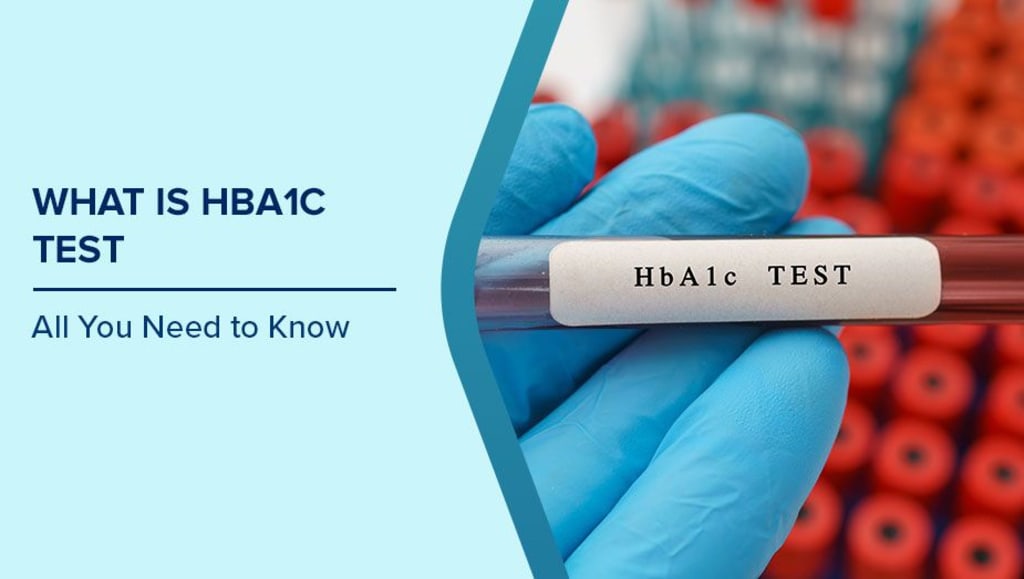
Health checkups are not just about blood pressure or cholesterol levels. For many people, especially those at risk for diabetes, the HbA1c test is a key tool to monitor blood sugar trends over time. It helps detect diabetes early, manage existing conditions, and assess treatment effectiveness. Knowing what the test measures and when to take it can make a big difference in preventing long-term complications.
What is the HbA1c Test
The HbA1c test, also known as the glycated hemoglobin test, measures the average blood sugar levels over the past two to three months. It does this by identifying the percentage of hemoglobin in the blood that is coated with sugar. Since red blood cells live for about three months, this test provides a longer-term view of blood sugar levels compared to a standard blood glucose test, which only shows results for that moment.
Why the HbA1c Test is Important
This test plays a vital role in both diagnosing and managing diabetes. Unlike single-time glucose tests that can be influenced by meals, stress, or illness, the HbA1c test gives a more stable and reliable picture. Doctors use it to:
• Confirm a diagnosis of type 1 or type 2 diabetes
• Monitor blood sugar control in diabetic patients
• Adjust treatment plans based on results
• Identify prediabetes before it becomes more serious

When You Should Consider the HbA1c Test
There are several scenarios when taking an HbA1c test is beneficial:
1. Routine Screening – Adults over 45 or younger individuals with risk factors such as obesity, family history of diabetes, or high blood pressure should take the test every three years.
2. Unexplained Symptoms – Symptoms like excessive thirst, frequent urination, fatigue, or blurred vision may signal high blood sugar and require testing.
3. Monitoring Diabetes – If you already have diabetes, doctors often recommend taking the test every three to six months to evaluate control.
4. Assessing Risk – People with prediabetes should get tested more often to ensure levels are improving or staying stable.
How the HbA1c Test Works
The test is simple and requires only a small blood sample, usually taken from a vein in your arm or through a finger prick. No fasting is necessary, making it convenient. Results are typically available within a day or two.
Understanding the Results
HbA1c levels are given as a percentage. Generally:
• Below 5.7% is considered normal
• Between 5.7% and 6.4% indicates prediabetes
• 6.5% or higher suggests diabetes
For people with diabetes, the goal is often to maintain an HbA1c level below 7%, though individual targets can vary depending on age, overall health, and other factors.

Factors That Can Affect the Test
Certain conditions can affect HbA1c readings, such as anemia, kidney disease, or recent blood loss. Some medications and medical treatments can also influence results. This is why it is important to discuss your overall health and medications with your doctor before interpreting results.
Why Early Detection Matters
Catching high blood sugar early can prevent serious complications like heart disease, nerve damage, kidney problems, and vision loss. The HbA1c test is a powerful tool in early detection and ongoing management, allowing individuals to take timely action through lifestyle changes, diet, and medication if needed.
The HbA1c test is more than just a medical number, it is a window into your body’s ability to handle blood sugar over time. Whether you are managing diabetes or simply keeping an eye on your health, this test can provide valuable insights. Understanding when and why to take it could be a step toward a healthier future.
About the Creator
Lucy watson
Hi, I am a professional freelance writer.
Keep reading
More stories from Lucy watson and writers in Longevity and other communities.
Are Chemicals Causing Cancer in Young People
Cancer in young people is no longer a rare diagnosis. Over the past few decades, scientists and healthcare providers have observed a troubling rise in early-onset cancers. While genetics and lifestyle factors have always played a role, researchers are increasingly asking a critical question. Could everyday chemical exposure be a hidden culprit?
By Lucy watson8 months ago in Longevity
3 Things to Do Before Bed for Better Blood Sugar, According to Dietitians
KEY POINTS To keep your blood sugar from spiking in the morning, what you do the night before matters. Eating a balanced snack, limiting screens and gently moving all support healthy blood sugar. Other ways to help your morning blood sugar include reducing alcohol and managing stress.
By Good health to everyone4 days ago in Longevity




Comments
There are no comments for this story
Be the first to respond and start the conversation.