Latest Stories
Most recently published stories on Vocal.
Businesswoman 359
A trail of vodka like a transparent blood line on the floor. Socialista picked up the bottle and chugged. “We’ve gotta hit them with the idea that we’re prepared to knock over their rocket. It’s against the environment and the welfare of the Earth,” Socialista swallowed and announced.
By Skyler Saunders15 days ago in Chapters
Weather. AI-Generated.
Weather is one of the most constant yet overlooked influences in human life. It quietly determines what we wear, how we travel, what we eat, and even how we feel. From calm sunny mornings to sudden storms that change plans in minutes, weather affects our routines in ways we often take for granted. While it may seem like a simple topic, weather is a complex system driven by natural forces that operate far beyond human control. At its core, weather refers to the day-to-day conditions of the atmosphere. These conditions include temperature, humidity, wind, precipitation, and air pressure. Unlike climate, which describes long-term patterns over decades, weather is immediate and ever-changing. A clear sky today does not guarantee the same tomorrow, and that unpredictability is what makes weather both fascinating and challenging. How Weather Forms Weather begins with the sun. Solar energy heats the Earth unevenly, warming some areas more than others. This uneven heating causes air to move, creating wind and influencing pressure systems. Warm air rises while cooler air sinks, setting the atmosphere in motion. As this air moves and interacts with moisture, clouds form, rain falls, or storms develop. Oceans also play a vital role in shaping weather. Large bodies of water store heat and release it slowly, affecting temperatures and rainfall patterns across nearby land. This is why coastal regions often experience milder weather compared to inland areas. Mountains, forests, and deserts further influence local weather by altering wind flow and moisture levels. The Emotional Impact of Weather Weather does not only affect the physical world; it also influences human emotions and behavior. Bright, sunny days often bring a sense of energy and positivity, encouraging outdoor activities and social interaction. In contrast, prolonged cloudy or rainy weather can make people feel tired, unmotivated, or reflective. Seasonal changes are closely tied to emotional well-being. For some, winter’s shorter days and colder temperatures can lead to feelings of isolation or sadness. Meanwhile, spring often symbolizes renewal and growth, lifting spirits as nature comes back to life. These emotional responses highlight how deeply connected humans are to their environment. Weather and Daily Decision-Making Almost every daily decision involves weather in some way. Farmers rely on accurate forecasts to decide when to plant or harvest crops. Pilots and sailors depend on weather reports to ensure safe travel. Even small choices, like whether to carry an umbrella or schedule an outdoor event, are shaped by weather conditions. Modern technology has greatly improved weather forecasting. Satellites, radar systems, and computer models allow meteorologists to track storms and predict changes with increasing accuracy. While forecasts are not always perfect, they provide valuable guidance that helps reduce risks and plan ahead. Extreme Weather Events While most weather changes are mild, extreme events can have serious consequences. Heatwaves, hurricanes, floods, droughts, and blizzards can disrupt communities and threaten lives. These events remind us of the immense power of nature and the importance of preparation. Extreme weather often tests infrastructure and emergency systems. Roads, power grids, and communication networks can fail under intense conditions. Communities that invest in preparedness, early warning systems, and public awareness are better equipped to respond when severe weather strikes. Weather in a Changing World In recent years, weather patterns have become a frequent topic of global discussion. Many regions are experiencing unusual temperature shifts, altered rainfall patterns, and more frequent extreme events. These changes have sparked conversations about how human activity may be influencing the natural balance of the atmosphere. Regardless of the causes, adapting to changing weather conditions is becoming increasingly important. Cities are redesigning drainage systems to handle heavier rainfall, farmers are experimenting with new crops, and individuals are becoming more mindful of water and energy use. These adjustments reflect a growing awareness of how closely human life is tied to environmental conditions. Cultural and Historical Connections Throughout history, weather has shaped cultures, traditions, and stories. Ancient civilizations worshipped weather-related deities, believing storms or droughts were signs from higher powers. Seasonal festivals around the world still celebrate rainfall, harvests, and changing seasons. Weather has also influenced historical events. Harsh winters, unexpected storms, and prolonged droughts have altered the outcomes of wars, migrations, and economic systems. These moments serve as reminders that nature often plays a role in human history, even when it goes unnoticed. Respecting the Power of Weather Despite technological advances, weather remains something humans cannot fully control. Forecasts can guide us, but nature always has the final say. This reality encourages respect and humility in how we interact with the environment. Paying attention to weather patterns helps foster a deeper connection with the world around us. It reminds us that we are part of a larger system, one that requires balance, awareness, and responsibility. Conclusion Weather is far more than small talk or a daily forecast on a phone screen. It is a powerful, dynamic force that shapes ecosystems, cultures, emotions, and everyday decisions. From gentle breezes to life-altering storms, weather influences the rhythm of life on Earth in countless ways. By understanding and respecting weather, we become more prepared, more adaptable, and more connected to the natural world. In a rapidly changing environment, this awareness is not just useful—it is essential.
By Saboor Brohi 15 days ago in Geeks
Mastering the Art of Slow Bar Movement
In the world of bartending, speed often steals the spotlight. But there’s a subtle, refined skill that every top-tier bartender must master: slow bar movement. This isn’t about dragging your feet or wasting time. It’s about deliberate, graceful actions that elevate the cocktail experience. Slow bar movement is the dance of precision, control, and style behind the bar, creating a sense of ceremony and anticipation for the guest.
By Anna Walker15 days ago in Proof
Pax Imperialis
Every empire tells a story about itself. It claims to be a reluctant hegemon, a civilising force, a guardian of order in a chaotic world. Edward W. Said captured this imperial self-mythology with ruthless clarity when he wrote: ‘Every empire, however, tells itself and the world that it is unlike all other empires, that its mission is not to plunder and control but to educate and liberate.’ The promise is always peace, stability, progress. Yet behind this language of benevolence stands an apparatus of overwhelming violence. Empires do not rule through persuasion alone. They require an ultimate weapon, a technological embodiment of terror that transforms domination into inevitability and resistance into madness. From the atomic bomb to the Death Star, from clone armies to genetically engineered super-soldiers in The Mandalorian, the logic remains unchanged. Universal peace, or Pax, is purchased through the threat of total annihilation.
By Peter Ayolov15 days ago in Fiction
The Inevitable Cocktail: A Timeless Classic to Savor
The Inevitable cocktail is one of those drinks that feels like it was destined to be. It’s smooth, balanced, and just a little bit mysterious — the kind of drink that you sip slowly while contemplating the night ahead. If you’re a fan of cocktails that combine the warmth of whiskey with the subtle sweetness of vermouth and a hint of herbal bitterness, then the Inevitable might just become your new go-to.
By Ava Mitchell15 days ago in Proof
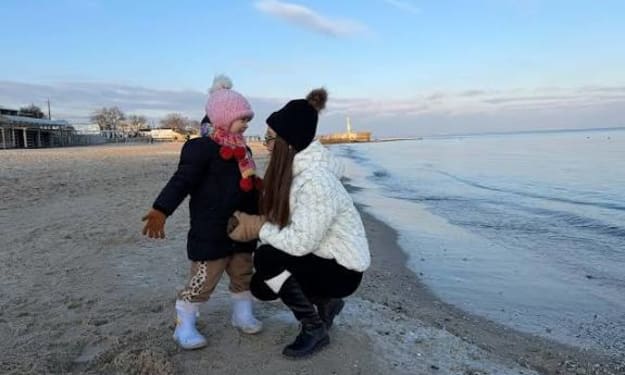
Under Fire from the Sea, Families in Odesa Try to Escape Russian Barrage. AI-Generated.
As dawn breaks over the Black Sea, the port city of Odesa wakes not to the sound of waves, but to sirens. For months, Russian naval and missile attacks have turned Ukraine’s historic coastal hub into a frontline city, forcing families to make impossible choices: stay and endure, or flee under fire. The barrage from the sea has transformed everyday life into a test of survival, reshaping Odesa’s streets, homes, and hopes. Odesa has long been known for its cosmopolitan spirit, grand architecture, and strategic importance as Ukraine’s gateway to global trade. Today, that same geography makes it vulnerable. Russian warships positioned in the Black Sea have launched cruise missiles and drones toward the city, targeting ports, energy infrastructure, and residential neighborhoods. Unlike attacks from land, strikes from the sea arrive with little warning, amplifying fear among civilians who never know when the next explosion will come. For families, the danger is not abstract. It is measured in shattered windows, damaged schools, and nights spent in basements. Parents describe the constant challenge of keeping children calm as air raid sirens interrupt meals, homework, and sleep. “You learn to live with a bag packed,” one mother says, referring to emergency essentials kept by the door. “Documents, water, a few clothes — everything else can be replaced.” Escaping Odesa is no simple task. The city’s roads are congested with civilians trying to leave and military convoys heading toward defensive positions. Train stations, once symbols of travel and leisure, now serve as evacuation points. Families queue for hours, unsure whether trains will run on schedule or be delayed by security threats. Some choose to drive west toward Moldova or deeper into Ukraine, while others head north to stay with relatives in comparatively safer regions. The emotional toll of leaving is profound. Many residents have lived in Odesa for generations, their identities tied to the sea and the city’s unique culture. Abandoning homes, businesses, and memories feels like a second loss on top of the war itself. Elderly residents, in particular, struggle with the idea of starting over elsewhere. As a result, some families split up — women and children leave, while older relatives or men stay behind to guard property or contribute to local defense efforts. Those who remain face daily uncertainty. Coastal defenses and air defense systems intercept many incoming threats, but not all. Each successful interception is celebrated quietly, while each impact deepens anxiety. Schools operate intermittently, often shifting to online classes or shelter-based learning. Hospitals continue to function under strain, adapting emergency rooms to handle potential mass casualty events while dealing with routine medical needs. Humanitarian organizations have stepped in to provide support, offering temporary housing, psychological counseling, and basic supplies for displaced families. Local volunteers play a crucial role, organizing evacuation assistance and checking on vulnerable neighbors. In Odesa, community solidarity has become a lifeline. People share information through messaging apps, warn each other of incoming threats, and help strangers reach shelters during attacks. The Russian barrage has also affected Odesa’s economy. The port, vital for grain exports and trade, has faced repeated strikes, disrupting shipping and threatening global food supply chains. For families, this translates into lost jobs and rising prices. Shop owners close early or operate irregularly, while workers in tourism, shipping, and hospitality face prolonged uncertainty about their livelihoods. Yet even under fire, resilience defines Odesa. Murals appear on damaged walls, musicians perform in shelters, and small acts of normalcy persist. Parents try to preserve routines for their children — reading bedtime stories during blackouts or celebrating birthdays underground. These moments do not erase fear, but they assert humanity in the face of violence. Internationally, Odesa’s plight highlights the broader civilian cost of naval warfare. Attacks launched from the sea blur the line between military targets and civilian spaces, especially in port cities. For residents, the sea — once a source of beauty and economic opportunity — has become a direction of danger. The horizon itself feels threatening. As families continue to flee, return, or endure, Odesa stands as a symbol of civilian resilience amid modern conflict. The city’s future remains uncertain, shaped by diplomatic developments, military outcomes, and the will of its people. For now, every family that escapes safely is a small victory, and every night survived is an act of quiet defiance. Under fire from the sea, Odesa’s families are not just victims of war — they are witnesses to its human cost, carrying their stories with them wherever they find refuge.
By Fiaz Ahmed Brohi15 days ago in The Swamp
Habit of Light . Content Warning.
Dana walked the same route home every night, past one of the many underpasses the city kept upright to prevent collapse, indistinguishable from the others except for proximity and repetition. The concrete was scarred with old repairs, seams darkened by water that never fully cleared. Lights fixed along the wall cast a blue wash over everything, flattening color, softening edges, turning faces into shapes before they became people. It was enough light to see and never enough to settle what might be.
By Fatal Serendipity15 days ago in Fiction
My New Book is Finally Here. Top Story - January 2026.
My poetry collection Beautiful and Brutal Things is done. It's actually done and finally published over 270 pages. Over a year of my life went into this book. More than a year, really. Long days at my computer, sometimes seven days a week because I couldn't stop even when I probably should have. Then two months of editing that felt harder than the writing itself. But it's finished, and I'm still standing, and the book is real.
By Tim Carmichael15 days ago in BookClub