

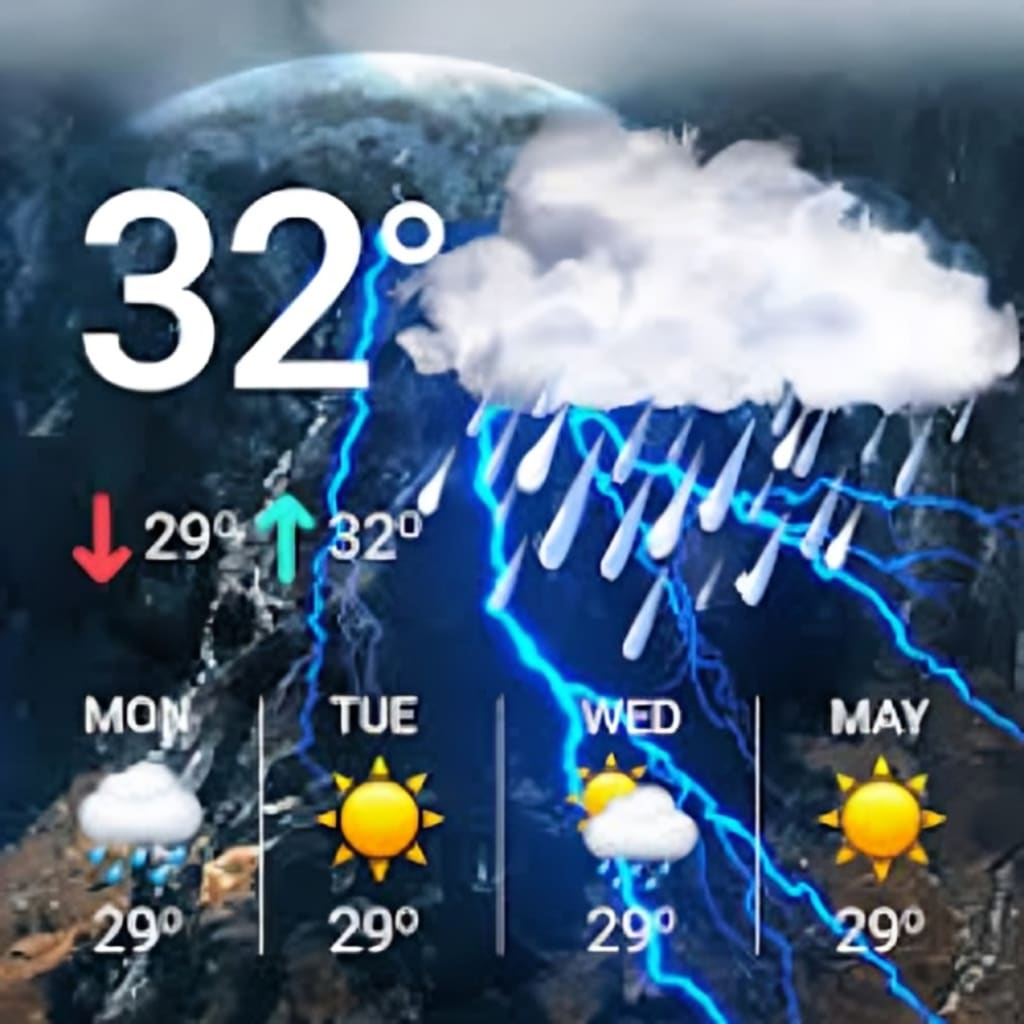
Weather affects everyone, every day. Whether it’s sunny, rainy, or snowy, weather impacts what we wear, how we travel, and even how we feel. This article explains weather in simple and easy words, helping you understand what it is, how it works, and why it changes.
What is Weather?
Weather is the condition of the atmosphere at a specific place and time. It includes temperature, wind, humidity, cloud cover, and precipitation (rain, snow, or hail). Unlike climate, which describes long-term patterns, weather changes frequently.
For example, one day it may be warm and sunny, while the next day it could be cold and rainy.
What Causes Weather?
Weather is caused by the interaction of air, water, and heat from the sun. Here’s how these elements work together:
The Sun
The sun is the primary source of energy for the Earth. It heats the air, water, and land. Different parts of the Earth receive different amounts of sunlight due to its shape and tilt, causing variations in temperature.
Air Movement
Warm air rises, and cool air sinks. This movement creates wind. Air also moves because of differences in pressure. High-pressure areas usually bring clear skies, while low-pressure areas can lead to storms.
Water Cycle
Water evaporates from oceans, rivers, and lakes, turning into water vapor. This vapor forms clouds. When the clouds become heavy, they release rain, snow, or hail. This cycle repeats continuously, influencing the weather.
Types of Weather
Weather can be sunny, cloudy, rainy, snowy, or windy. Let’s look at these common types:
Sunny Weather
Sunny weather occurs when there are few or no clouds in the sky. It’s warm because the sun’s rays directly reach the Earth. People enjoy sunny days for outdoor activities.
Cloudy Weather
Cloudy weather happens when the sky is covered with clouds. It may feel cooler because clouds block sunlight.
Rainy Weather
Rain happens when water droplets in clouds become too heavy and fall to the ground. Rain is essential for plants and fills rivers and lakes. However, too much rain can cause floods.
Snowy Weather
Snow forms when temperatures are very low, and water droplets freeze into ice crystals. Snowy weather is common in winter in colder regions. It’s great for activities like skiing and building snowmen.
Windy Weather
Windy weather occurs when air moves quickly. Gentle winds can feel refreshing, but strong winds, like hurricanes or tornadoes, can cause damage.
Why Does Weather Change?
Weather changes because of the interaction between air, water, and temperature. Factors like the position of the sun, the rotation of the Earth, and the presence of mountains or oceans all play a role.
For example:
Day and Night: During the day, the sun heats the land, making it warmer. At night, the heat escapes, causing cooler temperatures.
Seasons: The Earth’s tilt causes seasons. In summer, the sun shines more directly, while in winter, the sun’s rays are weaker.
Extreme Weather
Sometimes, weather can become extreme and dangerous. Examples include:
Storms
Thunderstorms bring lightning, heavy rain, and strong winds. Severe storms like hurricanes and tornadoes can destroy buildings and harm people.
Heatwaves
A heatwave is a period of very high temperatures. It can cause dehydration and heatstroke.
Blizzards
Blizzards are snowstorms with strong winds. They can make it hard to see or travel.
Floods and Droughts
Too much rain causes floods, while too little rain leads to droughts. Both can harm crops and animals.
How to Stay Safe in Different Weather
Sunny Days: Wear sunscreen and drink plenty of water to stay hydrated.
Rainy Days: Carry an umbrella and wear waterproof clothing.
Snowy Days: Wear warm clothes and be careful on icy roads.
Storms: Stay indoors and avoid tall trees or open fields.
Weather Forecasting
Weather forecasting helps people prepare for changes in weather. Meteorologists use tools like satellites, radars, and weather balloons to predict conditions. For example, they can warn people about upcoming storms or heatwaves.
Why is Weather Important?
Weather affects daily life, from what we wear to how crops grow. Farmers rely on weather to decide when to plant or harvest. Pilots need to know weather conditions for safe flights. Understanding weather also helps us prepare for extreme events.
Conclusion
Weather is a fascinating and essential part of life. It can be sunny, rainy, windy, or snowy, and it changes due to the sun, air movement, and the water cycle. By understanding weather, we can enjoy sunny days, stay safe during storms, and appreciate the natural world around us.
About the Creator
Farhan Sayed
Hi, I’m Farhan Sayed 🌹! I’m here to share stories, thoughts, and maybe sprinkle a little magic along the way. ✨
💡 Passion for:
Exploring new ideas 🧠
Writing from the heart ❤️
Inspiring and connecting with amazing souls like you 🌍
Keep reading
More stories from Farhan Sayed and writers in History and other communities.
TikTok Ban
TikTok is one of the most popular apps in the world, especially among young people. It allows users to create and share short videos, often set to music. From funny clips to dance trends, TikTok has become a global sensation. However, in recent years, there have been growing concerns about the app, leading to discussions and actions to ban it in some countries.
By Farhan Sayedabout a year ago in History
The Shadow War Across Borders
In the hidden corridors of international law enforcement, there exists a group known by a name that inspires fear among fugitives and criminals alike — the Gringo Hunters. They are not celebrities. They don’t give interviews. They don’t chase fame. Their mission is simple but dangerous: track, locate, and capture high-value criminals who cross borders to escape justice.
By Irshad Abbasi 5 days ago in History




Comments
There are no comments for this story
Be the first to respond and start the conversation.