
TikTok Ban
What It Means and Why It’s Happening

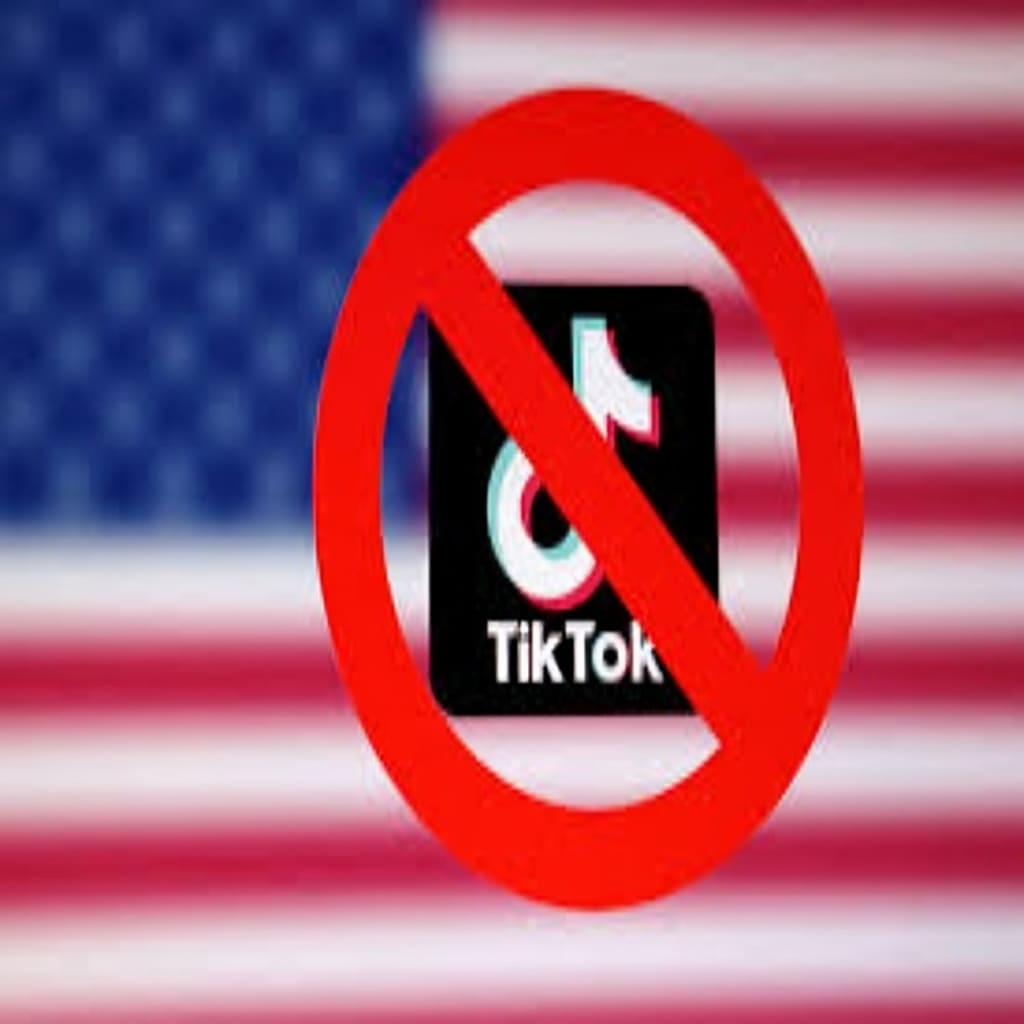
TikTok is one of the most popular apps in the world, especially among young people. It allows users to create and share short videos, often set to music. From funny clips to dance trends, TikTok has become a global sensation. However, in recent years, there have been growing concerns about the app, leading to discussions and actions to ban it in some countries.
This article will explain why some governments are considering banning TikTok, what the concerns are, and how this affects users and the app itself.
Why Is TikTok Being Banned?
The main reasons for banning TikTok are related to:
Data Privacy and Security
National Security Concerns
Content Regulation Issues
1. Data Privacy and Security
TikTok is owned by a Chinese company called ByteDance. Many governments are worried that TikTok collects large amounts of user data, such as location, browsing habits, and personal information.
The concern is that this data could be shared with the Chinese government under Chinese law. While TikTok denies these claims, critics argue that there is no guarantee the data is safe.
In 2020, the U.S. government, under President Donald Trump, tried to ban TikTok, citing these privacy concerns. Although the ban didn’t go through at the time, similar concerns continue to be raised today.
2. National Security Concerns
TikTok’s ownership by a Chinese company has raised national security fears. Governments worry that sensitive information about their citizens could be accessed or misused.
For example:
Some military bases have banned TikTok on their Wi-Fi networks.
Government officials in countries like the U.S., India, and Canada are not allowed to use TikTok on their work phones.
These actions are taken to prevent any risk of sensitive information being leaked.
3. Content Regulation Issues
TikTok allows users to share and watch videos from all over the world. While this is a fun way to connect people, some governments are concerned about the type of content available on the platform.
Critics argue that TikTok can:
Spread misinformation or fake news.
Show inappropriate content to young users.
Influence opinions and behavior in harmful ways.
Some countries believe that banning TikTok will help them protect their citizens from these risks.
Where Has TikTok Been Banned?
Several countries have taken steps to ban or restrict TikTok.
India: In 2020, India banned TikTok completely along with several other Chinese apps. The government said the apps were a threat to national security and user privacy.
United States: While TikTok is not banned in the U.S., some states have restricted its use on government devices. There are ongoing discussions about a nationwide ban.
Afghanistan: TikTok was banned in Afghanistan for promoting content that the government found inappropriate.
Other Countries: Some countries, such as Canada and Australia, have restricted TikTok on government devices but have not fully banned the app.
How Does This Affect TikTok Users?
If TikTok is banned in a country, users can no longer download or update the app from official app stores. Existing users may lose access to the platform entirely.
For many TikTok creators, this can be a big problem. Some people earn money by creating content on TikTok. A ban could mean losing their audience and income.
For casual users, a ban means they won’t be able to enjoy the fun and entertainment TikTok provides. This has led to frustration and disappointment among many fans of the app.
TikTok’s Response
TikTok has repeatedly denied the accusations against it. The company says:
It stores user data outside of China, such as in the U.S. or Singapore, to avoid government interference.
It does not share user data with the Chinese government.
It has introduced stricter rules to ensure content is appropriate and to protect user privacy.
TikTok has also tried to negotiate with governments and has promised to improve transparency. For example, TikTok has created “transparency centers” where outside experts can review its data practices.
Are There Alternatives to TikTok?
If TikTok is banned in a country, users often look for similar apps. Some popular alternatives include:
Instagram Reels: A feature within Instagram that allows users to create short videos.
YouTube Shorts: A platform for short, TikTok-style videos on YouTube.
Snapchat Spotlight: A feature on Snapchat for sharing short, entertaining videos.
While these apps offer similar features, many TikTok fans argue that they don’t have the same community feel or unique trends that TikTok provides.
Conclusion
The debate over banning TikTok highlights important issues about privacy, security, and online content. While some governments believe banning the app is necessary to protect their citizens, others argue that it limits freedom and creativity.
For TikTok users, the uncertainty can be frustrating. As this debate continues, it’s important to stay informed and understand why these decisions are being made.
Whether or not TikTok remains available in certain countries, it has already made a lasting impact on how we create and share videos online.
About the Creator
Farhan Sayed
Hi, I’m Farhan Sayed 🌹! I’m here to share stories, thoughts, and maybe sprinkle a little magic along the way. ✨
💡 Passion for:
Exploring new ideas 🧠
Writing from the heart ❤️
Inspiring and connecting with amazing souls like you 🌍
Keep reading
More stories from Farhan Sayed and writers in History and other communities.
Moss Landing Fire
On January 16, 2025, a large fire broke out at the Moss Landing Power Plant in Monterey County, California. The plant, known for housing one of the world’s biggest lithium battery storage systems, became the center of attention as firefighters and emergency teams worked tirelessly to control the situation. This incident caused concern in the local community due to the potential risks from toxic smoke and other safety issues.
By Farhan Sayedabout a year ago in History



Comments
There are no comments for this story
Be the first to respond and start the conversation.