
Trump says he will cut prescription drug prices by 59% as shares drop
Donald Trump is scheduled to hold an event at the White House with US Health Secretary Robert F. Kennedy Jr at 9:30 am

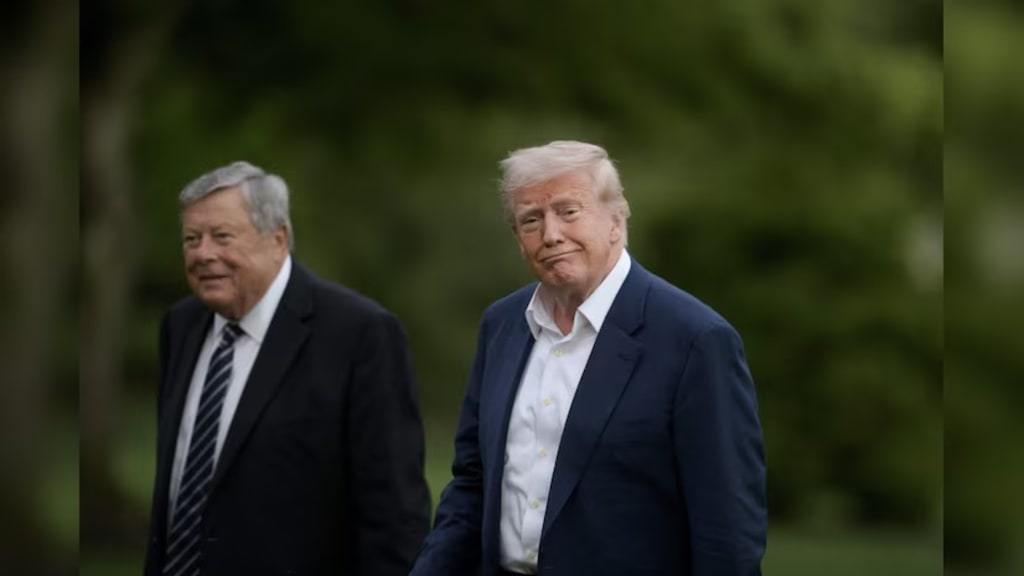
Trump's Bold Prescription Drug Price Cut: A 59% Reduction Amid Market Turmoil
On May 12, 2025, President Donald Trump announced a sweeping initiative to reduce prescription drug prices in the United States by up to 59%. This move, which he plans to implement through an executive order adopting a "Most Favored Nation" (MFN) pricing model, aims to align U.S. drug prices with those of other developed nations, ensuring Americans pay no more than the lowest price paid abroad.
The MFN Pricing Model: A Game Changer?
The MFN policy is designed to address the significant disparity in drug prices between the U.S. and other countries. For instance, Medicare Part B recipients in the U.S. often pay up to five times more for certain medications than patients in countries like Canada or Germany. By adopting the MFN model, the administration seeks to standardize drug costs, potentially leading to substantial savings for American consumers.
Market Reaction: Pharmaceutical Stocks Take a Hit
The announcement sent shockwaves through the pharmaceutical industry. Shares of major U.S. drugmakers, including Pfizer, Eli Lilly, Merck, AbbVie, and Amgen, plummeted by 2% to 4% in premarket trading. International pharmaceutical stocks, such as Novo Nordisk, Novartis, and Roche, also experienced declines of 3% to 4%. The market's reaction underscores the industry's concerns about the potential impact of the MFN policy on their revenue streams.
The Road Ahead: Implementation and Challenges
While the MFN policy has been announced, its implementation faces several hurdles. During Trump's first term, a similar initiative was blocked by the courts, and it remains to be seen how this new executive order will navigate legal challenges. Additionally, the policy's success hinges on the cooperation of various stakeholders, including pharmaceutical companies, healthcare providers, and international partners. The administration has yet to provide detailed guidelines on how the MFN pricing will be applied across different drug categories and insurance plans.
Broader Implications: A Global Perspective
The MFN policy's impact extends beyond the U.S. borders. Countries like Australia may face increased drug prices as pharmaceutical companies adjust their pricing strategies to offset potential losses in the U.S. market. Experts warn that this could lead to higher medication costs for non-concession cardholders in Australia, as companies seek to maintain profitability.
Conclusion: A Bold Step with Uncertain Outcomes
President Trump's proposed 59% reduction in prescription drug prices represents a bold attempt to overhaul the U.S. healthcare system's pricing structure. While the MFN model promises significant savings for consumers, its implementation is fraught with challenges. The pharmaceutical industry's response, coupled with potential legal and international ramifications, suggests that the path to affordable medications may be more complex than anticipated. As the administration moves forward with this initiative, the coming months will be critical in determining whether the MFN policy can achieve its ambitious goals without unintended consequences.
US President said he will push to cut prescription drug prices by 59 per cent, but gave no further details about his plan to lower medicine costs ahead of a health-related event at the White House later on Monday.
On Sunday, Trump said he would sign an executive order to pursue what is known as "most favored nation" pricing or international reference pricing. The Republican president previously tried to implement such a program during his first term in office but was blocked by the courts.
"Drug prices to be cut by 59 per cent" Trump wrote on Monday in capital letters on his social media platform as global pharma shares traded lower. Shares of U.S. drugmakers fell between 2 per cent and 3 per cent following his weekend comments before Trump's latest post Monday morning.
Trump is scheduled to hold an event at the White House with U.S. Health Secretary Robert F. Kennedy Jr at 9:30 am (1330 GMT)
Drugmakers have been expecting an order focusing on the federal Medicare health insurance program for people aged 65 and older and the disabled, according to four drug industry lobbyists who said they had been briefed by the White House.
The United States pays the highest prices for prescription drugs, often nearly three times more than other developed nations. Trump has pledged to close the gap but not detailed how he will implement it.
About the Creator
Keep reading
More stories from Abjol Hussain Laskar and writers in History and other communities.
Prime Minister Urges Society to Embrace Buddha's Teachings for Peace and Unity
In a heartfelt address on the occasion of Buddha Purnima 2025, Prime Minister [Name] called upon citizens to reflect deeply on the timeless teachings of Lord Buddha and adopt them as guiding principles in modern life. Speaking at a public event attended by spiritual leaders, scholars, and citizens from across the country, the Prime Minister emphasized that Buddha’s message of compassion, non-violence, and harmony is more relevant today than ever before.
By Abjol Hussain Laskar10 months ago in History
A 40,000‑Year‑Old Masterpiece Offers New Insight into Early Human Art
In a remarkable archaeological discovery that reshapes our understanding of early human creativity, scientists have identified a 40,000‑year‑old painting of a cow‑like animal on a cave wall, potentially making it one of the earliest examples of figurative art ever documented. The site — located deep within the dense forests of Indonesian Borneo — reveals that our distant ancestors were not merely marking surfaces with abstract symbols but were intentionally depicting real‑world animals tens of thousands of years ago.
By Irshad Abbasi a day ago in History
Top tipple tricks
Been thinking a lot about drinking, lately. Not least because of a recent episode of over-indulgence and the inevitable after effects. Some readers may recall the earlier articles I wrote about beating the booze. Here I set out an experiment in techniques for cutting down on my alcohol intake. The experiment was successful, the techniques worked, and I have armed myself with an arsenal of weapons in the war against the demon drink. I have yet to fire the first round however. It's all a question of timing (perhaps procrastination).
By Raymond G. Taylor7 days ago in Psyche



Comments
There are no comments for this story
Be the first to respond and start the conversation.