

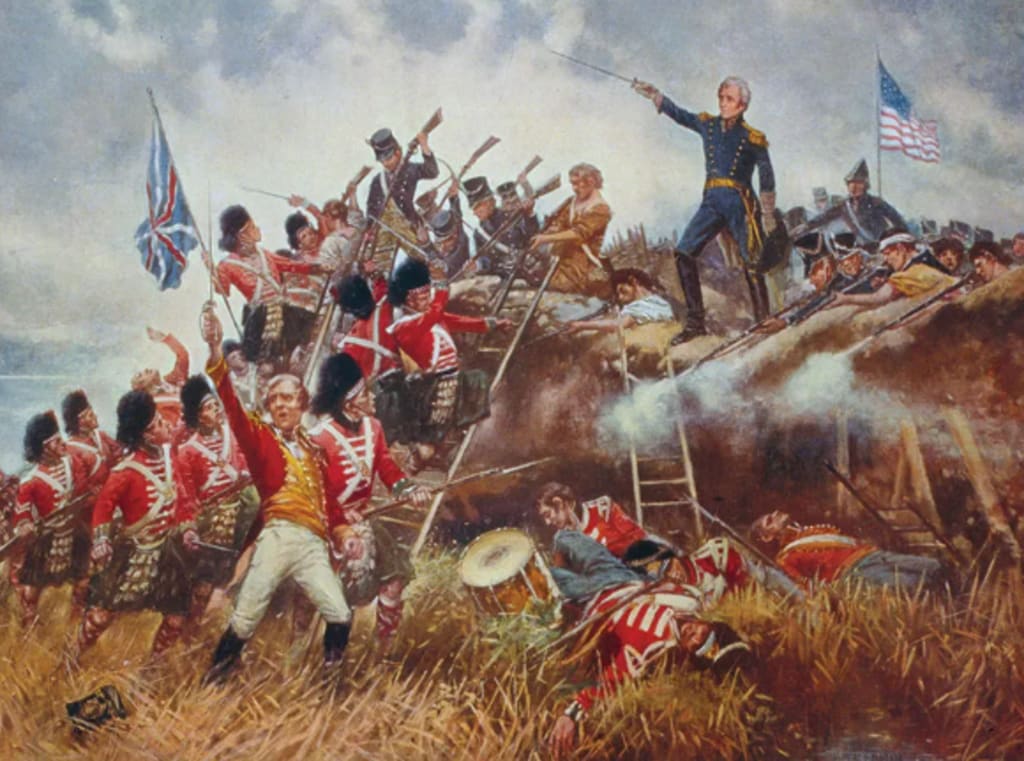
The history of the United States of America is a rich and complex narrative that spans several centuries. Here is a condensed overview of key events and periods in U.S. history:
Colonial Era (1607-1776):
The first successful English settlement in North America was established in Jamestown, Virginia, in 1607. Other English colonies followed, including Plymouth in 1620. These colonies grew and developed, with various regional differences and conflicts emerging over time. In 1776, the American colonies declared independence from British rule through the adoption of the Declaration of Independence.
American Revolution and Early Republic (1776-1789):
The American Revolutionary War, fought between 1775 and 1783, led to the formal recognition of American independence with the Treaty of Paris in 1783. The newly formed United States of America established a federal government under the Articles of Confederation, but it soon became clear that a stronger central government was needed. In 1787, a constitutional convention was held in Philadelphia, resulting in the drafting of the United States Constitution. The Constitution was ratified in 1788, and George Washington became the first President in 1789.
Expansion and Westward Movement (1803-1850s):
The early 19th century saw significant territorial expansion through various means. The Louisiana Purchase of 1803 doubled the size of the country, followed by the acquisition of Florida from Spain in 1819. In the 1830s, Native American tribes were forcibly relocated from their ancestral lands in the Southeast to the west in what became known as the Trail of Tears. The concept of Manifest Destiny emerged, fueling the desire to expand U.S. territory from coast to coast. This expansion led to conflicts, such as the Mexican-American War (1846-1848), which resulted in the acquisition of vast territories in the Southwest.
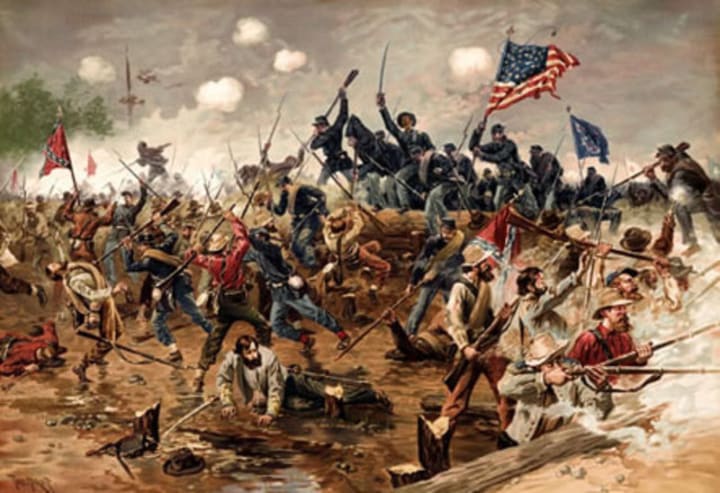
Civil War and Reconstruction (1861-1877):
The United States faced a deepening divide over the issue of slavery, ultimately leading to the American Civil War. The war, fought between 1861 and 1865, pitted the northern states (Union) against the southern states (Confederacy). The Union's victory led to the abolition of slavery with the ratification of the Thirteenth Amendment in 1865. The period following the war, known as Reconstruction, aimed to rebuild and integrate the South into the Union, but it faced significant challenges and ended in 1877.
Industrialization and Progressive Era (Late 19th-early 20th centuries):
The late 19th and early 20th centuries witnessed rapid industrialization and urbanization. The country experienced advancements in technology, transportation, and communication, leading to significant economic growth. However, these changes also resulted in social inequalities and labor unrest. The Progressive Era emerged as a response to these challenges, seeking to address issues such as workers' rights, women's suffrage, and government corruption. Notable progressive reforms included the Pure Food and Drug Act, the establishment of national parks, and the ratification of the Nineteenth Amendment granting women the right to vote in 1920.
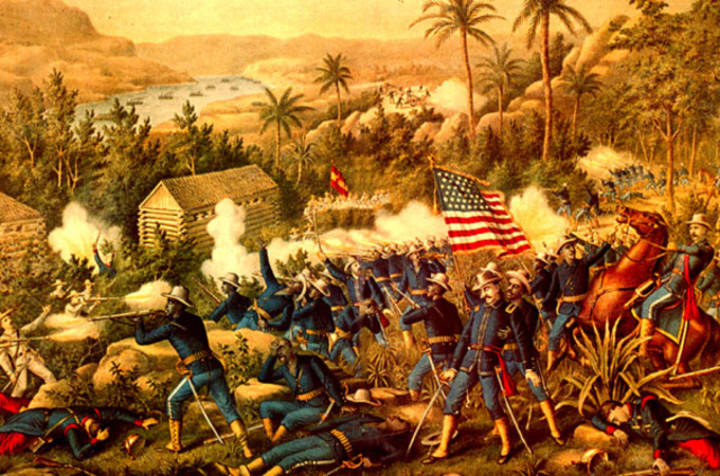
World Wars and Cold War (1914-1991):
The United States played a pivotal role in both World War I (1914-1918) and World War II (1939-1945). Following World War II, the United States and the Soviet Union emerged as superpowers and engaged in a geopolitical rivalry known as the Cold War. The Cold War was characterized by ideological competition, arms race, and proxy wars between the United States and its allies and the Soviet Union and its allies. The United States experienced social and cultural transformations during this period, including the Civil Rights Movement, the Space Race, and the countercultural movements of the 1960s.
Recent History (1991-present):
The collapse of the Soviet Union in 1991 marked the end of the Cold War and left the United States as the world's sole superpower. The country faced new challenges, including globalization, terrorism, and economic fluctuations. Notable events in this period include the September 11 attacks in 2001, the wars in Afghanistan and Iraq, the election of Barack Obama as the first African American President in 2008, and the ongoing debates and developments in areas such as healthcare, immigration, climate change, and racial justice.
This overview provides a broad outline of U.S. history, but it is important to recognize that it is a complex and diverse subject with many additional details and subtopics worth exploring.
About the Creator
Dan IsEnjoyingLife
Chill, Relax and Enjoy Life is my Priority.
Please Subscribe for more Chilling, Relaxing and Enjoying Article, Thank You.
Keep reading
More stories from Dan IsEnjoyingLife and writers in History and other communities.
The Year 1901 in Review: Fun Facts, Trivia, and Historic Highlights
This quick read is a collection of fun facts, trivia, and historic events from the year 1901. Discover the year’s top news stories, most influential people, sports facts, notable inventions, and much more.
By Gregory DeVictor3 days ago in History




Comments
There are no comments for this story
Be the first to respond and start the conversation.