
The Slave Revolt Led by Spartacus (73-71 BCE)
: A History of Resistance and Courage

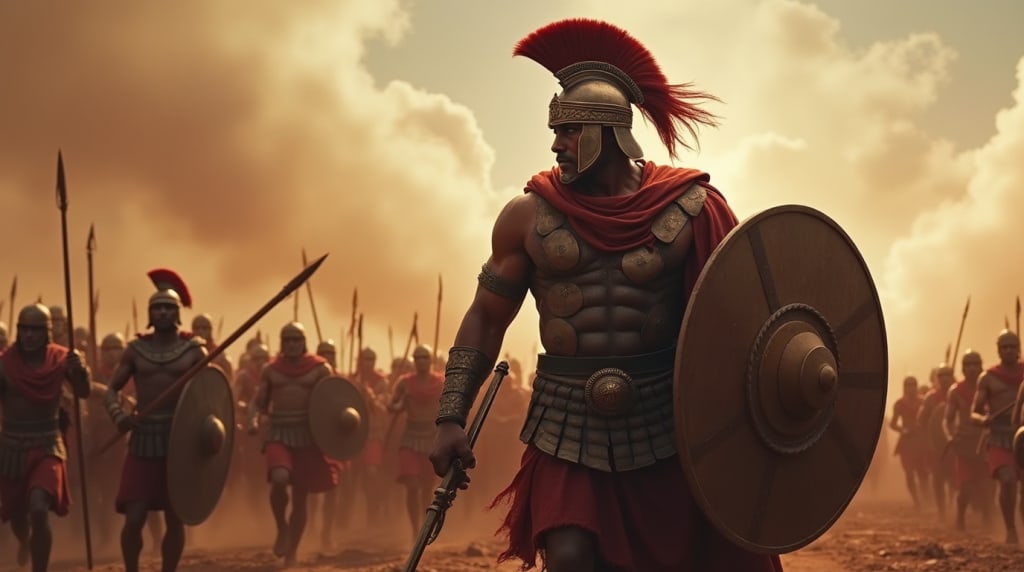
The Slave Revolt Led by Spartacus (73-71 BCE): A History of Resistance and Courage
The slave revolt led by Spartacus in the 1st century BCE remains one of the most remarkable events in ancient history. Even after more than 2,000 years, this revolt continues to capture the attention of historians and history enthusiasts alike. In this article, we will delve into the Spartacus-led slave revolt, analyzing its causes, progression, Spartacus’ role as a leader, and the outcomes of this historic uprising.
1. Introduction to the Slave Revolts in Rome
Before diving into the details of the revolt led by Spartacus, it's essential to understand the general status of slaves in ancient Rome. During this time, Rome was a vast empire that heavily relied on slavery for its economy and infrastructure. Slaves were treated as mere property and were forced to perform backbreaking labor in fields, households, and even in the arenas as gladiators.
2. Who Was Spartacus? From Prisoner of War to Revolutionary Leader
Spartacus was a Thracian by origin, from a region now part of modern-day Bulgaria. Initially, he served as a soldier in the Roman army but was later captured and enslaved. Trained as a gladiator in a school in Capua, Spartacus endured brutal treatment. Instead of succumbing to his fate, he chose to rebel against the oppressive Roman system of slavery.
3. The Beginning: The First Escape from Capua
In 73 BCE, Spartacus led a group of escaped gladiators from the school in Capua. Using their training and weapons, they launched a daring escape that caught the Roman authorities off guard. This initial success attracted more slaves to their cause, and their numbers swelled rapidly. Within months, the rebellion grew into a formidable force, posing a significant threat to Roman rule.
4. Rapid Expansion of the Revolt
As the rebellion gained momentum, Spartacus and his followers expanded their activities across southern Italy. The revolt wasn’t limited to slaves; peasants and disenfranchised farmers also joined in, driven by widespread social injustice. With each victory, Spartacus' army grew larger and more organized, transforming from a ragtag group into a structured fighting force.
5. Facing the Roman Army: Spartacus' Strategy and Tactics
Spartacus proved to be an exceptional military leader. Using guerrilla warfare tactics and terrain to his advantage, he outmaneuvered the well-trained Roman legions multiple times. His strategy involved quick strikes, ambushes, and hit-and-run attacks, which frustrated the Roman commanders and led to several surprising victories.
6. Internal Challenges and Divisions
As the revolt progressed, internal conflicts began to surface within the rebel ranks. While Spartacus aimed for freedom for all, some of his lieutenants advocated for retreating to their homelands or even negotiating with Rome. These divisions weakened the cohesion of the rebel forces and made it more challenging to sustain their rebellion.
7. Key Battles: The Clashes at Sessa and Sant’Eufemia
Throughout the revolt, Spartacus' forces engaged in several pivotal battles against the Roman army. One of the most notable victories was the Battle of Sessa, where the rebels inflicted a heavy defeat on the Roman legions. This victory inspired hope among the enslaved population and reinforced the idea that freedom was within reach.
8. The Fall of the Revolt: The Battle of the River Silarus
Despite their successes, Spartacus and his followers faced overwhelming odds as the Roman Senate mobilized all its resources to crush the rebellion. Under the leadership of Marcus Licinius Crassus, the Roman forces cornered the rebels. In the final confrontation at the Battle of the River Silarus, Spartacus’ army was defeated, and many rebels, including Spartacus himself, were killed. Despite this loss, Spartacus’ legacy endured.
9. The Impact of Spartacus' Revolt on Roman Society
The revolt led by Spartacus shook the foundations of Roman society. It highlighted the vulnerabilities of a system heavily reliant on slavery and forced the ruling class to reconsider its policies. While slavery continued in Rome, Spartacus’ rebellion planted the seeds for future discussions about human rights and social equality.
10. Spartacus in Popular Culture
The story of Spartacus has transcended history, becoming a symbol of resistance and courage. It has been immortalized in books, plays, and films. One of the most famous portrayals is the 1960 film "Spartacus" directed by Stanley Kubrick, which emphasized Spartacus as a champion of freedom and justice. This cultural representation has helped keep Spartacus’ story alive for generations.
11. Conclusion: The Legacy of Spartacus
Although the slave revolt led by Spartacus ended in defeat, its significance cannot be understated. Spartacus remains a powerful symbol of resistance against oppression and a reminder of the human desire for freedom and dignity. His story continues to inspire movements for justice and equality, proving that even in the face of overwhelming odds, the fight for what is right can leave an indelible mark on history.
History remembers the brave, and Spartacus stands as a timeless icon of courage and defiance.
About the Creator
💓 Pulse of Stories 💓
The world of short and inspiring stories! Here you will find stories that touch hearts, ignite the imagination, and take you on quick yet deep journeys.
Keep reading
More stories from 💓 Pulse of Stories 💓 and writers in History and other communities.
The Fall of Constantinople (1453)
The Fall of Constantinople (1453) Introduction to the Fall of Constantinople The Fall of Constantinople in 1453 stands as one of the most significant events in Islamic and world history. This event marked the end of the Byzantine Empire and the beginning of a new era for the Ottoman Empire. In this article, we will delve into the causes leading to the fall, the events surrounding it, and the key figures who played pivotal roles in achieving this monumental victory.
By 💓 Pulse of Stories 💓about a year ago in History



Comments
There are no comments for this story
Be the first to respond and start the conversation.