
The Russian Mysterious Plague (1770-1772)
The Russian Mysterious Plague (1770-1772): Between History and Mystery

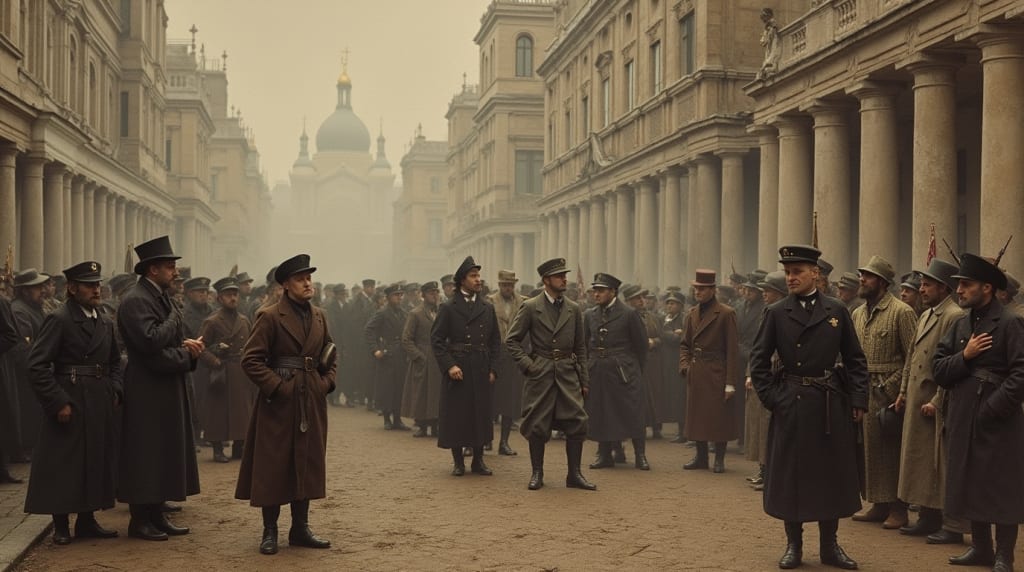
The Russian Mysterious Plague (1770-1772): Between History and Mystery
Introduction
The Russian Mysterious Plague (1770-1772) stands out as one of the most enigmatic and impactful epidemics in European history. This plague swept through Russia during a period of significant political and social turmoil, claiming tens of thousands of lives and affecting every aspect of daily life. In this article, we will explore the origins of this plague, its effects on Russia, and whether it marked a turning point in Russian history.
1. Historical Background of 18th Century Russia
1.1 Social and Political Conditions
In the 18th century, Russia faced numerous internal and external challenges. As the Russian Empire expanded, tensions between the nobility and peasants grew, creating a fertile environment for the spread of epidemics.
1.2 Public Health in Tsarist Russia
Russia lacked advanced medical infrastructure or healthcare systems to handle outbreaks. Poor sanitary conditions in both urban and rural areas contributed to the rapid spread of diseases.
2. The Emergence of the Mysterious Plague
2.1 The Mysterious Beginnings
The Russian Mysterious Plague began in Moscow during the summer of 1770. It is believed to have spread through uncontrolled trade with neighboring regions, bringing an unidentified disease to the city.
2.2 Rapid Spread
Within weeks, the disease spread throughout Moscow and then to other cities and rural areas, causing widespread panic among the population.
3. Symptoms of the Mysterious Disease
3.1 Unfamiliar Symptoms
Historians described the symptoms as unusual and puzzling. They included severe fever, excruciating pain, and the appearance of dark spots on the skin.
3.2 Resemblance to the Plague
Some believe the disease might have been a form of the plague, but the lack of precise scientific evidence casts doubt on this theory.
4. The Russian Government's Response
4.1 Initial Measures
The Russian government attempted to contain the disease by imposing quarantines in affected cities and banning public gatherings.
4.2 The Moscow Uprising of 1771
Strict quarantine measures led to widespread riots in Moscow in 1771, as citizens believed the government had failed to protect them.
5. Impact of the Plague on Russian Society
5.1 Human Losses
The plague claimed tens of thousands of lives, severely affecting the demographic structure, especially in Moscow and surrounding areas.
5.2 Economic Consequences
Economic activities declined significantly due to the halt in trade and agriculture. The long-term economic impact posed a considerable challenge for the Russian government.
6. Theories About the Origins of the Plague
6.1 Bubonic Plague?
Some researchers argue that the disease could have been a variation of the bubonic plague, which had ravaged Europe in different periods.
6.2 A New Disease?
Other theories suggest that the disease might have been a new virus that emerged due to environmental or social changes.
7. Lessons Learned from the Plague
7.1 The Importance of Healthcare Systems
The plague highlighted the need for a robust healthcare system capable of responding quickly to health crises.
7.2 Advancing Scientific Research
The outbreak encouraged Russian scientists to improve their understanding of infectious diseases and prevention methods.
8. Comparisons with Modern Epidemics
8.1 Medical Advancements
8.2 Similarities
There are some similarities between this plague and modern outbreaks like COVID-19, especially in terms of public fear and the need for precautionary measures.
9. The Historical Legacy of the Plague
9.1 Long-Term Impact
The plague marked a turning point in how Russia viewed public health and government policies.
9.2 Global Lessons
10. The Plague's Influence on Literature and Art
10.1 Russian Literature
Some Russian writers depicted the effects of the plague in their works, documenting the human experience during the catastrophe.
10.2 Art and Imagery
Scenes from the plague influenced Russian art, with artists expressing the suffering endured by the people.
Conclusion
The Russian Mysterious Plague (1770-1772) was a humanitarian disaster that revealed the weaknesses of the healthcare system at the time and deeply affected Russian society. However, it also served as a catalyst for change and improvement in health and scientific fields. This plague remains a historical lesson about the importance of preparedness and collective action in facing health crises. By studying past events, we can build a safer and healthier future.
About the Creator
💓 Pulse of Stories 💓
The world of short and inspiring stories! Here you will find stories that touch hearts, ignite the imagination, and take you on quick yet deep journeys.
Keep reading
More stories from 💓 Pulse of Stories 💓 and writers in History and other communities.
Beelitz Hospital in Berlin (1898-1945)
Beelitz Hospital in Berlin (1898-1945) Introduction: Beelitz-Heilstätten Hospital in Berlin is one of Germany's most notable historical hospitals, bearing witness to significant events between 1898 and 1945. This hospital is associated with the advancements of modern medicine at the end of the 19th century, as well as the global conflicts that shook Europe. In this article, we will delve into the history of the hospital, its role during the World Wars, and its impact on medicine and society.
By 💓 Pulse of Stories 💓about a year ago in History
The London Smog of 1952: The "Great Smog" that killed 12,000 people in four days of absolute, yellow darkness.
The taste of a copper penny coated in rotten egg yolk. That was the first warning. It was Friday, December 5, 1952. A blind man led a sighted businessman across Euston Road, tapping his white cane against the invisible curb. The businessman couldn't see his own shoes. The air had turned into a thick, yellowish-green soup that smelled of burning hair and raw sulfur. It was not a fog. It was an executioner. Over the next four days, twelve thousand Londoners would choke to death in their own beds, murdered by the very fireplaces they lit to keep warm.
By The Chaos Cabinet3 days ago in History



Comments
There are no comments for this story
Be the first to respond and start the conversation.