
The History of the Greek Language A Journey Through Time
Greek Language

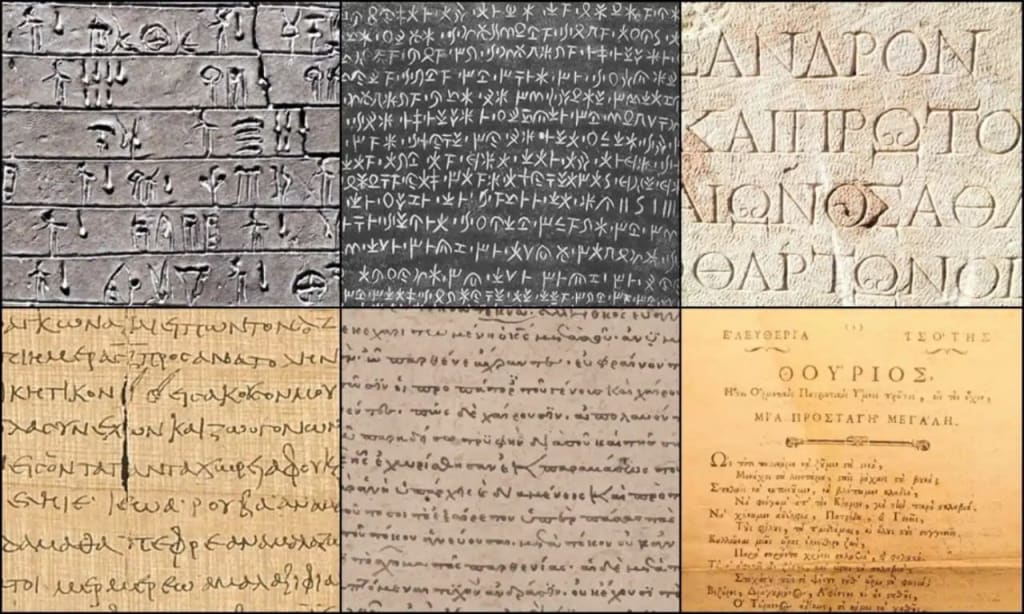
The History of the Greek Language A Journey Through Time
The Greek language holds a unique and unparalleled position in the history of human civilization. With a documented history spanning over 3,400 years it is one of the oldest living languages in the world. Its influence on the development of European and other languages as well as its role in shaping philosophy science literature and culture makes it a cornerstone of human intellectual achievement. The Greek language’s continuous evolution from its ancient roots to its modern form reflects its resilience and adaptability making it a fascinating subject of study for linguists historians and cultural enthusiasts alike.
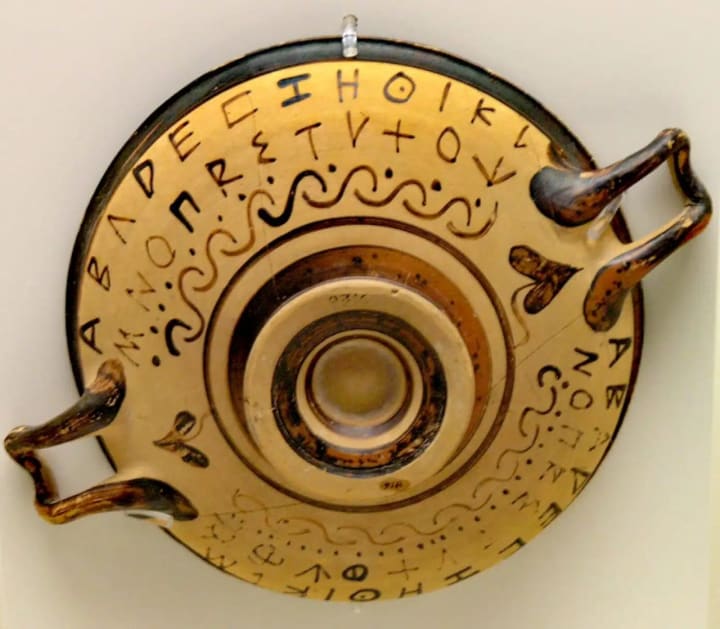
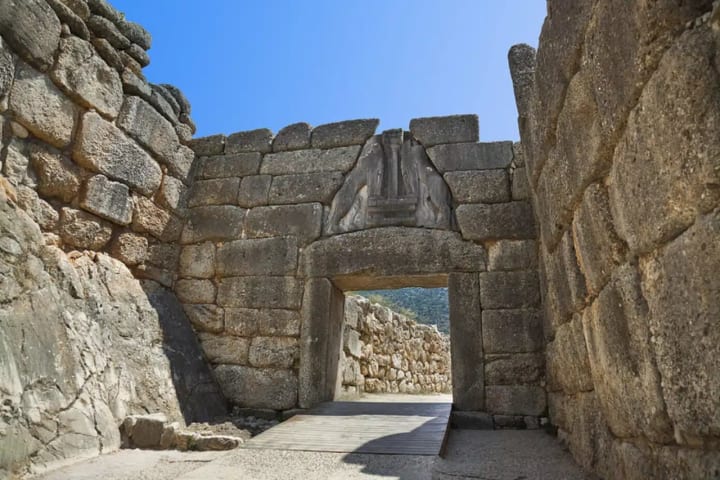
Greek is an independent branch of the Indo European language family and has been spoken in Greece Cyprus and other regions of the Eastern Mediterranean for millennia. It is distinguished by its long written tradition which dates back to the Mycenaean period 16th to 12th centuries BCE making it the oldest recorded living language. The Greek alphabet derived from the Phoenician script has been in use for approximately 2,800 years and has served as the foundation for numerous other writing systems including Latin Cyrillic and Coptic. The Greek language’s historical continuity and structural coherence are remarkable. Unlike other ancient languages such as Sanskrit or Classical Chinese which survive primarily in religious or literary contexts Greek has remained a living spoken language throughout its history. This unbroken tradition allows scholars to trace its development from ancient times to the present day offering invaluable insights into the evolution of human language and thought.
Historical Periods of the Greek Language
1) Proto Greek
Proto Greek refers to the hypothetical ancestor of all known Greek dialects. While it remains unattested linguistic reconstruction suggests that it emerged as a distinct branch of the Indo European family during the Bronze Age. The exact timeline of its formation is debated, but archaeological evidence points to its deep roots in the Greek peninsula, possibly dating back to the Neolithic period.
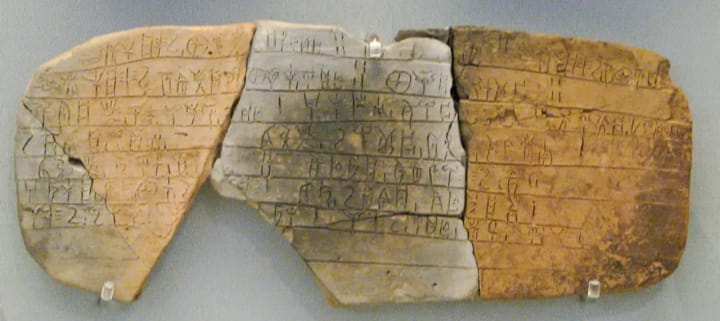
2) Mycenaean Greek 16th to 12th centuries BCE
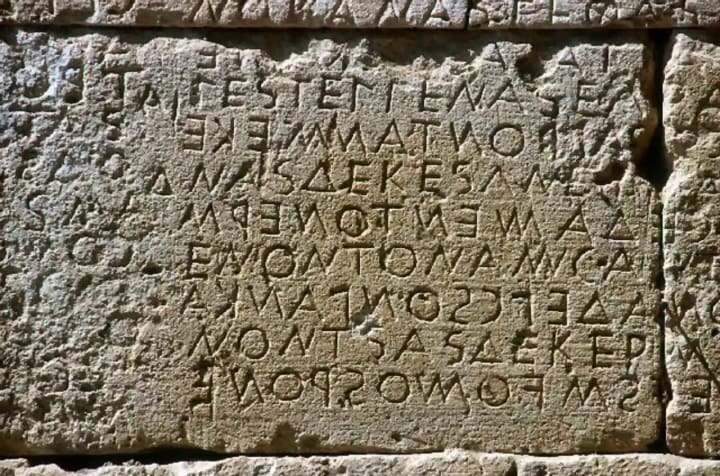
Mycenaean Greek is the earliest attested form of the Greek language preserved in Linear B inscriptions on clay tablets. These texts primarily administrative records provide a glimpse into the language and society of the Mycenaean civilization. Mycenaean Greek exhibits archaic features of Proto Indo European and Proto Greek and its uniformity across different regions suggests it was a standardized administrative language rather than a reflection of everyday speech.
3) Ancient Greek 1200 300 BCE
Ancient Greek encompasses the language of the Archaic and Classical periods including the Homeric epics the works of philosophers like Plato and Aristotle and the plays of tragedians such as Sophocles and Euripides. During this period Greek was characterized by significant dialectal diversity with major groups including Attic Ionic Aeolic Doric and Arcadocypriot. Despite this fragmentation a shared cultural and linguistic identity emerged facilitated by trade colonization and political alliances.
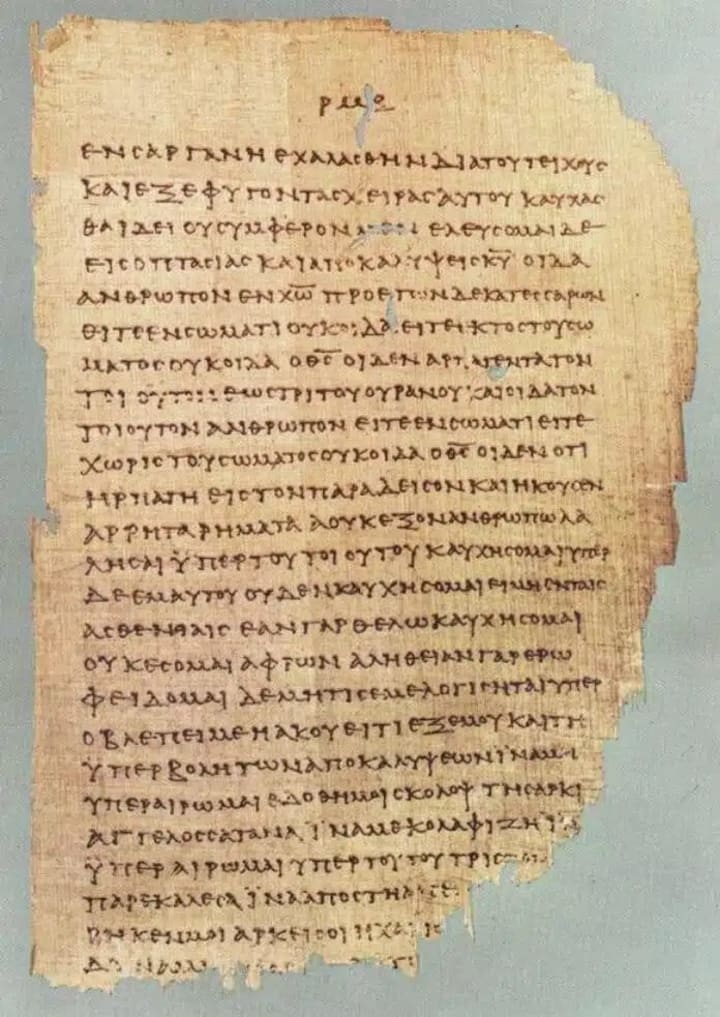
4) Koine Greek 4th century BCE 4th century CE
Koine Greek or common Greek arose as a lingua franca following the conquests of Alexander the Great. It was a simplified form of Attic Greek enriched by elements from other dialects. Koine became the dominant language of the Hellenistic world and the early Christian Church serving as the medium for the New Testament and other foundational texts.
5) Medieval and Modern Greek
Medieval Greek also known as Byzantine Greek evolved from Koine and was the official language of the Byzantine Empire. Modern Greek spoken today by approximately 13.5 million people emerged during the Ottoman period and underwent significant standardization in the 19th and 20th centuries. It remains the official language of Greece and Cyprus and is one of the 24 official languages of the European Union.
The Legacy of the Greek Language
The Greek language’s influence extends far beyond its geographical and historical boundaries. Its contributions to philosophy science literature and art have left an indelible mark on global culture. The international scientific vocabulary for instance is heavily reliant on Greek roots and terms. Moreover the study of Greek grammar and syntax laid the foundation for the analysis of other languages shaping the field of linguistics. Greek’s syntactic flexibility conceptual depth and mathematical structure make it a uniquely expressive language. Its ability to convey complex ideas with precision has made it a vehicle for intellectual and artistic expression for millennia. As the poet Odysseus Elytis noted the continuity of Greek poetry over 25 centuries underscores the language’s enduring vitality and cultural significance. The Greek language is not merely a tool for communication but a living testament to human creativity and resilience. Its unbroken historical trajectory from the Mycenaean tablets to modern literature reflects its ability to adapt and thrive across millennia. By studying and preserving the Greek language we honor its rich legacy and contribute to our understanding of human thought and culture. As Elytis eloquently stated the Greek language carries the weight of a profound tradition making it a unique and invaluable part of our shared heritage.
About the Creator
Adnan Rasheed
Author & Creator | Writing News , Science Fiction, and Worldwide Update| Digital Product Designer | Sharing life-changing strategies for success.
Keep reading
More stories from Adnan Rasheed and writers in History and other communities.
Translate this Ancient Script and Earn $1 Million.
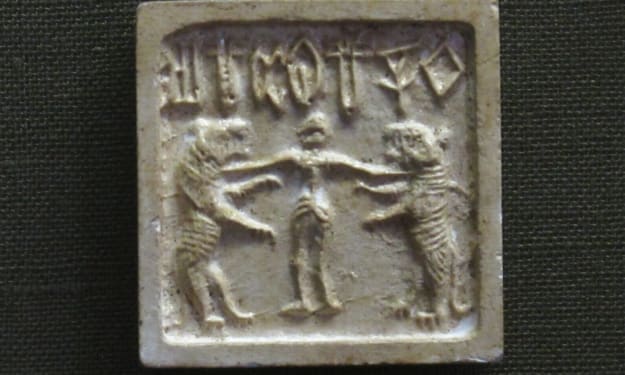
Translate this Ancient Script and Earn $1 Million This tablet is a classic example of the Indus script. A short sequence of symbols is displayed above an image in this case a bull and an unidentified object. Flourishing in the fertile plains of the Indus River the Indus Valley was home to one of the world's earliest urban civilizations. Between 3300 and 1700 BC the Indus people constructed remarkable cities such as Mohenjo daro and Harappa which featured the first urban sanitation systems advanced agricultural methods extensive trade networks and intricate art. Yet they left behind numerous mysteries. Who were these people and why did they abandon their sprawling cities. What form of governance did they have which facilitated meticulous urban planning but left no traces of palaces temples or monuments. One of the most significant challenges in understanding the Indus people is their written language. While it is likely they had one this remains a topic of debate. These questions are not only crucial for archaeologists and historians but also intersect with various political and cultural issues in the region.
By Adnan Rasheed12 months ago in History
Nanchang: A Modern Symbol of China’s Naval Power
In recent years, the world has closely watched the rapid modernization of the Chinese People’s Liberation Army Navy (PLA Navy). One of the most important symbols of this transformation is the Nanchang (Hull 101), China’s first Type 055 guided-missile destroyer. Commissioned on 12 January 2020, Nanchang represents a major leap in naval technology and capability. As it completes six years of active service, the ship stands as a clear example of how China’s navy has moved into a new era of advanced maritime power.
By sehzeen fatima5 days ago in History
Where the Pulse Ends
© 2026 Sai Marie Johnson The humidity in the city didn’t just hang; it leaned. It was a thick, stagnant soup of diesel exhaust, ozone, and the metallic tang of blood that drifted from the "Compliance Zones." Joe sat in his rusted sedan, his hands resting loosely on the steering wheel. He wasn't gripping it. He wasn't angry. Anger was a chemical spike, a biological inefficiency. Joe was simply... focused.
By Sai Marie Johnsona day ago in History



Comments
There are no comments for this story
Be the first to respond and start the conversation.