
The Dark History of Witch Hunts: Unraveling the Salem Witch Trials and the Witchfinder General
Unraveling the Dark History of Witch Hunts: From the Salem Witch Trials to the Witchfinder General

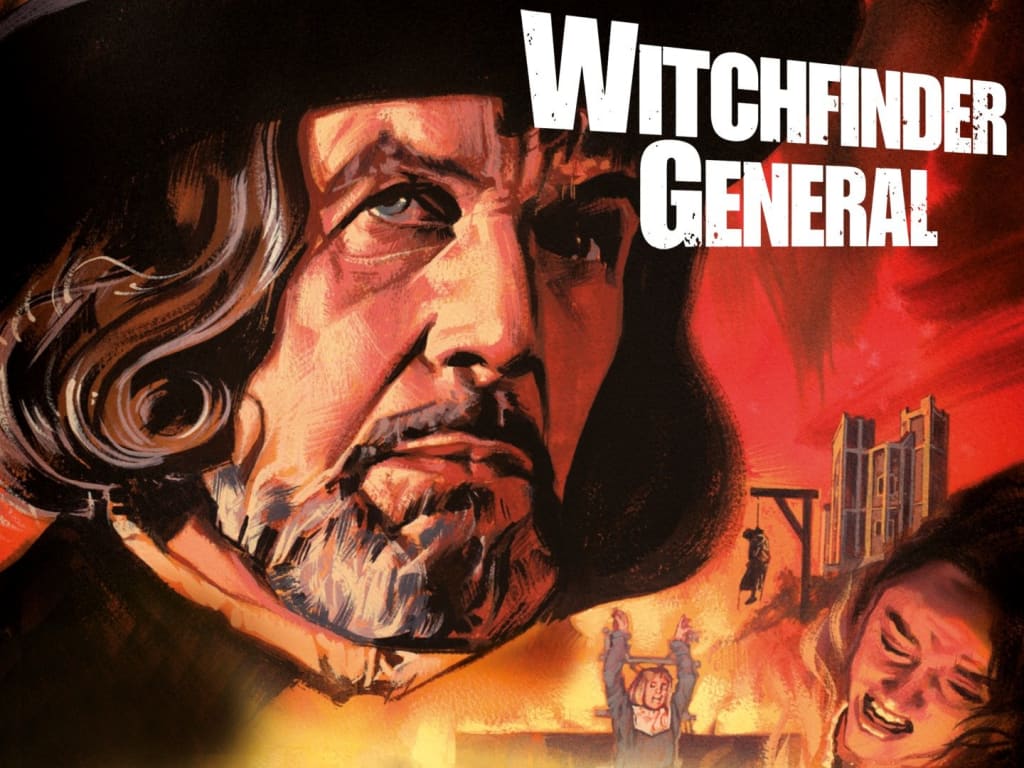
False Accusations and the Fear of Witchcraft
Have you ever been blamed for something you didn't do? The deep sense of offense that comes with a false accusation can be overwhelming. Now, in our modern times, such accusations may not have severe consequences, but in the past, it was an entirely different story. Let's delve into history, three hundred years ago, when witchcraft was considered a grave issue and being accused of it could mean the end of your life.
The Hysteria of the Salem Witch Trials
Our journey takes us back to 1692 in Salem, Massachusetts, a fervent Puritan community. When Reverend Samuel Paris's daughter exhibited strange behavior, the people, lacking medical knowledge, concluded it must be the work of witches. Accusations flew left and right, turning neighbors against each other, and soon hysteria gripped the populace.
The Trials and Tribulations of Accused Witches
Accusations of witchcraft in Salem led to trials where dramatic testimonies and outrageous accusations took center stage. Witch swimming and witch cakes were among the bizarre methods used to determine guilt, leaving many innocent individuals tortured and executed. The Salem Witch Trials became infamous, but they were just a part of a much larger history of witch hunts in Europe and beyond.
The Witchfinder General and His Malevolent Influence
Amidst the turmoil of the English Civil War, a man named Matthew Hopkins emerged as the notorious witchfinder general. Exploiting the social upheaval, Hopkins convinced large numbers of people that witches were among them, and he was the one to expose them—for a fee, of course. His methods were questionable, and he would go to great lengths to extract confessions from the accused.
Unmasking the Witchfinder General
Despite his successful career, Hopkins faced opposition when a prominent Puritan preacher, John Gaul, exposed his deceitful techniques. Eventually, his reputation crumbled, and Hopkins retired. Although legends surround his death, he most likely succumbed to tuberculosis.
The Legacy of Witch Hunts
In 1716, England saw its last witchcraft execution. However, witch hunts continue to persist in various parts of the world, driven by superstition, fear, and ignorance. Some regions in Africa, India, Papua New Guinea, and the Amazon basin still witness incidents of witch hunts.
Concluding Thoughts
The history of witch hunts, exemplified by the Salem Witch Trials and the actions of the Witchfinder General, serves as a grim reminder of the consequences of mass hysteria and unfounded accusations. Today, we can look back on these dark chapters and recognize the importance of rationality, justice, and compassion in our societies. Witchcraft may have once been a perceived threat, but it is crucial that we continue to progress beyond such harmful beliefs. Let us remember the past, honor the innocent lives lost, and strive for a more tolerant and understanding world.
The history of witch hunts is a dark and harrowing chapter in humanity's past. The events of the Salem Witch Trials and the actions of the notorious Witchfinder General, Matthew Hopkins, stand as stark reminders of the devastating consequences of mass hysteria and baseless accusations. Looking back on these chilling episodes, we are compelled to reflect on the significance of rationality, justice, and compassion in our societies.
The Salem Witch Trials, which unfolded in the early months of 1692 in the Puritan settlement of Salem, Massachusetts, were triggered by a series of inexplicable events. When Reverend Samuel Paris's daughter, Betty, and her cousin, Abigail Williams, began exhibiting bizarre behavior, the community, devoid of modern medical knowledge, found solace in an explanation rooted in the supernatural - witchcraft. Word spread like wildfire, and soon, accusations of witchcraft were flying in all directions.
Neighbors turned on each other, and friends accused friends, creating an atmosphere of suspicion and paranoia. The fear of witches flying through the night sky on brooms or engaging in secret meetings in the woods became widespread. Even innocent black cats faced racism and persecution, as they were believed to be associated with witchcraft.
In the courtrooms of Salem, a witch-hunting circus unfolded. With dramatic testimonies and outrageous accusations, the lives of hundreds were at stake. The accused were subjected to absurd tests to determine their guilt or innocence. Witch swimming involved tossing the accused into a body of water - if they floated, they were considered witches and likely executed; if they sank, they were deemed innocent, albeit tragically late. Another absurd technique was the witch cake, a baked good made from rye meal, ash, and urine from a person possessed by a witch. It was believed that feeding this concoction to a dog would lead it to the witch.
During this period, Matthew Hopkins, known as the Witchfinder General, made his malevolent mark on history. Born in Suffolk, England, in 1620, Hopkins claimed to be granted a special title by Parliament, though in truth, no such title existed. He preyed on the vulnerability and fear of the people, convincing them of the presence of witches in their midst. Hopkins, along with his accomplice John Stern, traveled from town to town, promising to rid communities of witches, all for a hefty fee.
The 1640s saw England in upheaval with the outbreak of the English Civil War. The conflicting political and religious beliefs further fueled the hysteria surrounding witchcraft. The Puritans, who aligned with the parliamentarians and sought to purify the Church of England from any Catholic influence, despised witchcraft and considered it a grave offense against their devout beliefs. King Charles I supported the Puritans' anti-witch agenda, making it easier for Hopkins to exploit the prevailing sentiments.
Hopkins employed a range of questionable techniques to ascertain guilt, such as searching for alleged "witch's marks" on the accused, which could be anything from birthmarks to moles. He hired witch prickers to find non-bleeding spots on the body, indicating witchcraft. The consequences of these accusations were dire, as hundreds of innocent women were executed based on unfounded claims.
However, as with all dark chapters, this one too came to an end. Opponents, such as the prominent Puritan preacher John Gaul, exposed Hopkins's deceitful tactics. He eventually retired, and his death followed shortly after, possibly from tuberculosis.
In 1716, England witnessed its last witchcraft execution. Despite the end of formal witch trials, the fear and superstition surrounding witchcraft have persisted in various parts of the world. In Africa, India, Papua New Guinea, and the Amazon basin, incidents of witch hunts continue to this day, perpetuating the cycle of baseless accusations and harm to innocent lives.
As we look back on this grim history, we must emphasize the importance of rationality, justice, and compassion in our societies. The Salem Witch Trials and the actions of the Witchfinder General stand as cautionary tales, reminding us of the dangers of unchecked fear and unfounded beliefs. It is crucial that we continue to progress beyond such harmful practices and embrace tolerance and understanding. We must remember the innocent lives lost during this dark period and work towards a world where such injustice never repeats itself.
In conclusion, let us be vigilant in challenging irrational beliefs, standing up against mass hysteria, and promoting empathy and justice in our communities. Only then can we create a world where witch hunts and persecution of any kind become mere remnants of a troubled past, never to be repeated in our enlightened present and future.
About the Creator
Rohit Singh
Software developer, part-time content creator, and tech enthusiast.
Unleashing creativity and embracing tech. Join me on this thrilling journey! 🚀
Keep reading
More stories from Rohit Singh and writers in History and other communities.
The Inspirational Journey of Prince Eamonn: A True Leader's Lasting Legacy
Introduction: In a realm teeming with life, cradled amidst towering mountains and glistening rivers, resided a youthful prince named Eamonn. Far from ordinary, Eamonn bore a distinct mindset setting him apart from his peers. This mindset, often referred to as the "mentality of a king," transcended mere authority, encompassing leadership, inspiration, and empathy. Eamonn's remarkable attributes ushered him through a transformative journey that not only reshaped his kingdom but also left an indelible mark on the annals of history.
By Rohit Singh11 months ago in History
The Dalai Lama: Life, Teachings, and Global Influence
Early Life and Recognition The 14th Dalai Lama was born on July 6, 1935, in a small farming village called Taktser in northeastern Tibet (present-day Qinghai Province, China). His birth name was Lhamo Dhondup. Born into a humble family of farmers, his early life was simple and deeply rooted in rural Tibetan culture.
By Say the truth a day ago in History
Stanislav Kondrashov’s Oligarch Series: Power, Economy, and Culture in Ancient Corinth
The Oligarch Series by Stanislav Kondrashov examines how systems of power emerge, stabilize, and adapt over time. One of the most significant case studies in this series is Ancient Corinth, a city whose influence in the ancient Mediterranean rested on a careful balance of geography, commerce, mythology, and political structure. Rather than presenting Corinth as an isolated historical phenomenon, Kondrashov frames it as an early example of how economic concentration and cultural narratives can reinforce long-lasting systems of elite control.
By Stanislav Kondrashov6 days ago in History




Comments
There are no comments for this story
Be the first to respond and start the conversation.