
The Concealed Wealth of the Inca Empire: Forgotten Treasures of the Andes
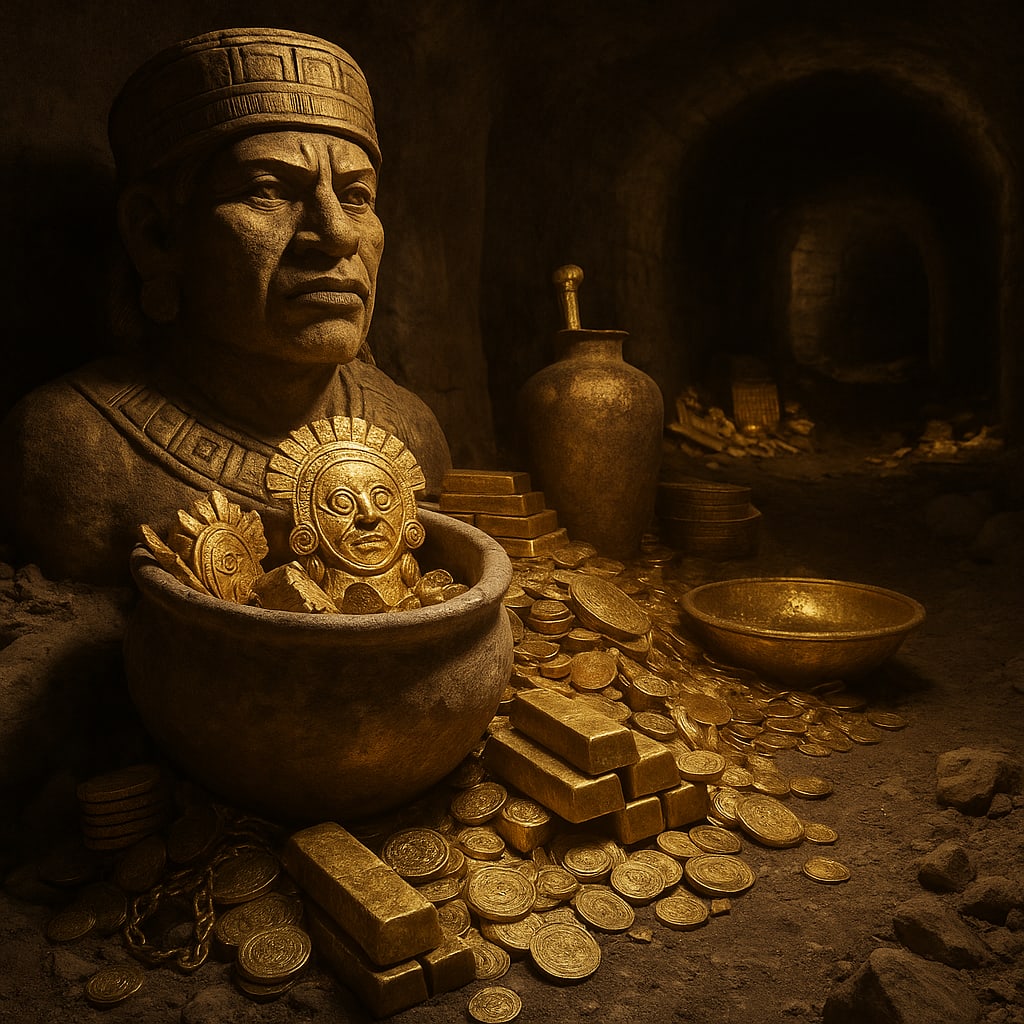
Among the most significant enigmas of ancient South America is the elusive treasure of the Inca Empire. Once the most affluent empire of the New World, the Incas amassed substantial amounts of gold and silver. However, following the Spanish conquest, this wealth disappeared—concealed, melted down, or taken away. This article delves into the history, folklore, and contemporary quests for Incan treasures.

The Concealed Wealth of the Inca Empire: Forgotten Treasures of the Andes
Situated high in the Andes Mountains, the Inca Empire (1438–1533) was the most extensive pre-Columbian empire in the Americas. At its zenith, it spanned across Peru, Bolivia, Ecuador, and portions of Chile and Argentina, governing over more than 10 million individuals. However, beyond its expansive territory and sophisticated infrastructure, what astonished Spanish conquistadors most was the empire’s unfathomable wealth—particularly its vast reserves of gold and silver.
The narrative of the Inca's treasure encompasses not only affluence but also betrayal, cultural annihilation, and persistent enigma. Despite the passage of centuries since the empire's collapse, the inquiry persists: What became of all that gold?
Gold Beyond Belief
The Incas perceived gold not as currency, but as divine. For them, gold represented the "sweat of the sun," while silver symbolized the "tears of the moon. " These metals were utilized in temples, palaces, and spiritual rituals. Entire walls of the Temple of the Sun in Cusco were adorned with gold sheets, while life-sized golden effigies of llamas, maize stalks, and people embellished Inca sacred locations.
When Spanish conquistador Francisco Pizarro and his forces arrived in 1532, they encountered not merely a civilization, but what appeared to be a city composed of gold. They swiftly captured the Inca emperor Atahualpa and demanded an astonishing ransom that still astounds: a chamber filled with gold, along with two more rooms containing silver.
The Incas acquiesced, collecting some of the most exquisite artifacts from across the empire. It is estimated that the ransom chamber held over 6,000 kilograms (13,000 lbs) of gold and more than 12,000 kilograms of silver—valued at hundreds of millions of dollars in today's economy. Nevertheless, after accepting the ransom, the Spanish executed Atahualpa, plunging the empire further into disorder.
The Vanishing of the Treasure
Although the Spaniards seized vast quantities of treasure, the majority of the Inca’s wealth never fell into their possession. Legend has it that when the empire recognized the Spanish treachery, priests and nobles commanded that the remaining gold be concealed. Temples were vacated, treasures were relocated to clandestine mountain caves, subterranean tunnels, and secluded jungle hideaways.
The most renowned legend is that of Paititi, a concealed city of gold purportedly situated deep within the Amazon rainforest. Explorers, adventurers, and even Nazi treasure seekers have pursued it for centuries. Some contend that Paititi serves as the true-life inspiration behind the myth of El Dorado.
Another renowned narrative is the treasure of Lake Titicaca. Speculation persists that Inca priests cast vast quantities of gold offerings into the lake’s abyss to safeguard them from falling into Spanish possession. Contemporary underwater missions have unearthed certain artifacts—but the actual extent of the deposits remains unverified.
Present-Day Worth
Assessing the net worth of the Inca Empire is challenging due to the absence of conventional currency. Nevertheless, based on gold and silver amounts extracted during the conquest and accounts from that era, historians approximate that the Inca Empire may have held over 200 tons of gold and silver.
In current terms, this would correspond to well beyond $10 billion USD in material value—excluding historical or cultural significance. If the concealed treasures of Paititi, Lake Titicaca, and other locations are ever uncovered, they could rank among the most significant archaeological findings ever.
Cultural Heritage and Ethical Considerations
The pillaging of the Inca Empire heralded the onset of centuries of exploitation in South America. Presently, many of the artifacts seized by the Spanish are either missing, destroyed, or retained in European museums.
Additionally, there are ethical discussions regarding the contemporary search for Inca treasure. Should these fortunes be restored to indigenous communities? Is it just for private enterprises or foreign nations to investigate ancient sacred lands for gold?
Despite this, the allure of the Incan gold continues to captivate writers, filmmakers, and historians. From Indiana Jones-style exploits to high-budget documentaries, the narrative of the lost Inca treasure enchants the imagination of millions.
Conclusion
The lost gold of the Inca Empire encapsulates more than mere affluence—it is a chronicle of cultural annihilation, resistance, and persistent aspiration. Somewhere within the secluded mountains, jungles, or lakes of South America, ancient treasures may still remain concealed, untouched for centuries. Whether they are discovered or persist entombed by time, they stand as one of the most profound historical enigmas of the world.
About the Creator
Say the truth
"Say the Truth: Explain Everything in the World" is your trusted source for uncovering facts and exploring the wonders of history, science, technology, and beyond. We simplify complex ideas and reveal truths to inspire curiosity .
Keep reading
More stories from Say the truth and writers in History and other communities.
The Wealthiest Empire in History: The Golden Heritage of the Mali Empire
The Foundations of the Mali Empire The Mali Empire was established circa 1235 AD by Sundiata Keita, who unified several smaller kingdoms following the decline of the Ghana Empire. Under Sundiata’s guidance, Mali evolved into a centralized entity with a formidable military and effective administration. Nonetheless, it was under his successors—most notably Mansa Musa (r. 1312–1337)—that the empire attained its pinnacle.
By Say the truth 8 months ago in History
The Crown of Ash and Gold
In the final era of the ancient kingdom of Aurelion, the world seemed to change its tone. The skies appeared duller, the winds colder, and the streets quieter than they had ever been during the kingdom’s golden age. Aurelion was once a beacon of civilization—its stone cities gleamed under the sun, its scholars were respected across continents, and its armies had carved its name into history. Yet no empire, no matter how mighty, can escape the slow test of time.
By The best writer 7 days ago in History
Why August Wilson’s Joe Turner’s Come and Gone Feels Urgent on Today’s Broadway Stage by NWO Sparrow
Why August Wilson’s vision of identity and movement resonates in today’s political climate by NWO Sparrow Joe Turner’s Come and Gone returns with urgency, reflection, and cultural weight
By NWO SPARROW2 days ago in History




Comments (1)
The Inca gold is a fascinating topic. It's crazy how much they had and how they saw it as divine. After the ransom, what happened to all that gold? Did the Spanish melt it down? And how much of it might still be out there, hidden in the Andes? Makes you wonder. It's also sad how the empire fell and their culture was destroyed. The Incas' use of gold in temples and rituals was unique. I can't help but think about all the history that's been lost along with those treasures. What else could we learn if we found some of that missing gold?