
The California and Los Angeles Wildfires: A Growing Crisis
Understanding the Impact, Causes, and Ongoing Efforts to Tackle Wildfires in California and Los Angeles

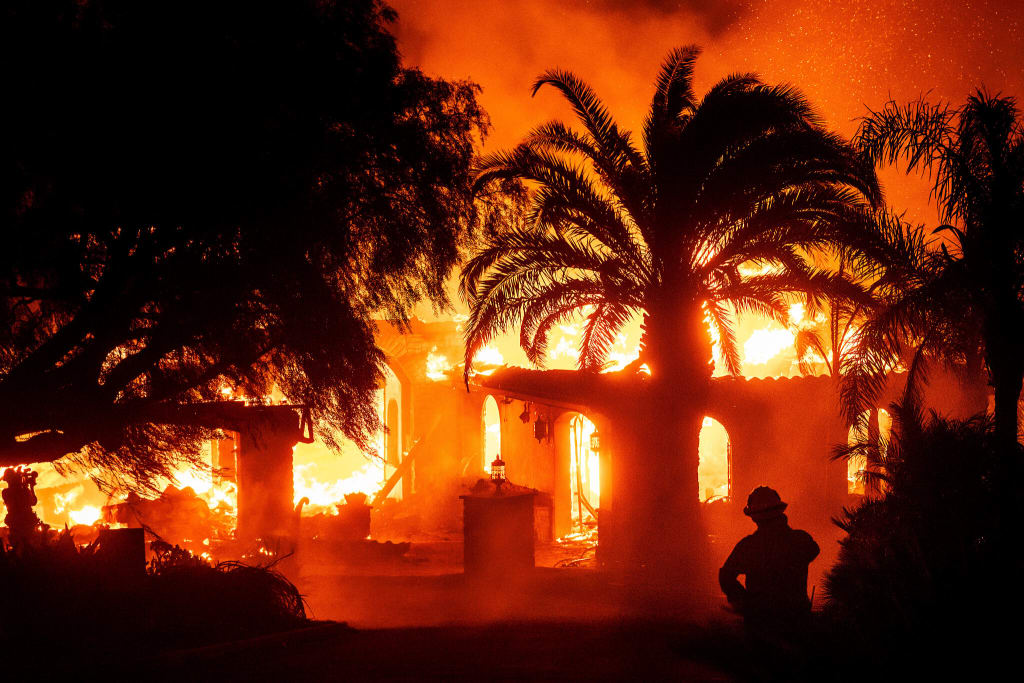
California, particularly Los Angeles, has long been prone to wildfires, with their destructive power and frequency increasing in recent years. These fires pose significant threats not only to the environment and wildlife but also to the people living in these areas. While the state has made strides in addressing wildfire management, the challenges persist, and the human and ecological toll continues to rise.
The Scope of the Wildfire Problem
California, with its vast forests, dry climate, and seasonal winds, is a hotspot for wildfires. The state experiences a Mediterranean climate, which is characterized by hot, dry summers and mild, wet winters. The combination of these factors creates an environment ripe for wildfires, especially during the peak of summer when vegetation is dry and winds can fan flames rapidly. Over the years, wildfires have become more intense, with longer fire seasons and more frequent occurrences.
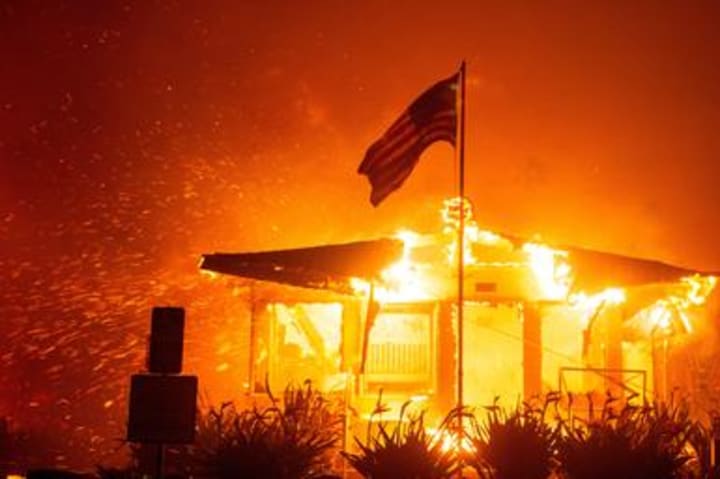
Los Angeles, in particular, is highly vulnerable due to its proximity to large areas of wilderness and the Santa Ana winds, which increase the potential for fires to spread uncontrollably. Fires in the city often result in mass evacuations, widespread property damage, and threats to human life. For instance, in 2020, the state experienced some of its largest fires on record, such as the August Complex Fire, which alone burned more than one million acres.
Causes of Wildfires
The causes of wildfires in California are multifaceted. Natural factors, such as lightning strikes and prolonged droughts, have always contributed to the problem. However, the increasing frequency and intensity of wildfires in recent years are largely attributed to climate change. Rising temperatures, extended dry periods, and changing weather patterns exacerbate the conditions for wildfires to start and spread.
Human activities also play a significant role. Poorly managed forests, land use changes, and fire-prone vegetation contribute to the intensity of wildfires. In many cases, wildfires are sparked by human negligence—faulty power lines, unattended campfires, or discarded cigarettes are common culprits. In urban areas like Los Angeles, the risk of wildfires is even more heightened due to the expansion of residential developments in close proximity to wilderness areas.
The Environmental Impact
Wildfires have devastating effects on the environment. They destroy critical habitats for wildlife, many of which are already endangered or threatened. In 2020, wildfires burned thousands of acres of forests, including the homes of species like the California condor and various rare plants. The destruction of these habitats can take decades to recover, and many species may never return.
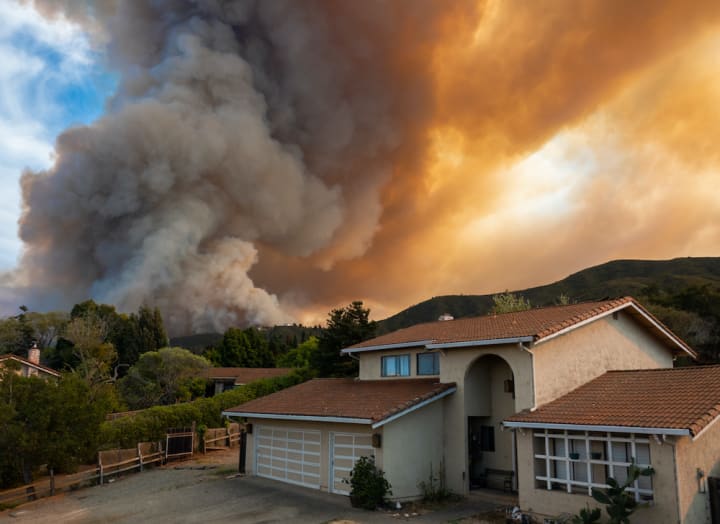
Additionally, wildfires release massive amounts of carbon dioxide into the atmosphere, contributing to air pollution and exacerbating climate change. The smoke from these fires can travel hundreds of miles, affecting air quality even in areas not directly impacted by the flames. Poor air quality due to wildfire smoke poses significant health risks, particularly for children, the elderly, and individuals with preexisting respiratory conditions.
The Human Toll
The human toll of wildfires is profound. Thousands of people are forced to evacuate their homes every year, leaving behind everything from personal belongings to valuable crops and livestock. Many residents in fire-prone areas, including Los Angeles, find themselves living in constant fear of when the next fire will strike. In some cases, fires destroy entire neighborhoods, leading to immense financial loss and long-term displacement for victims.
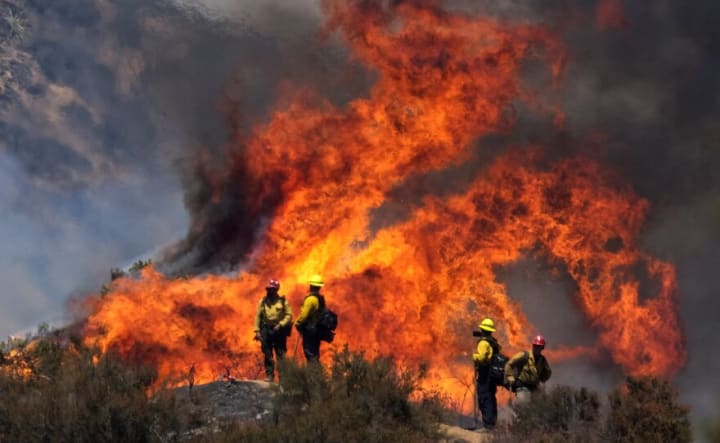
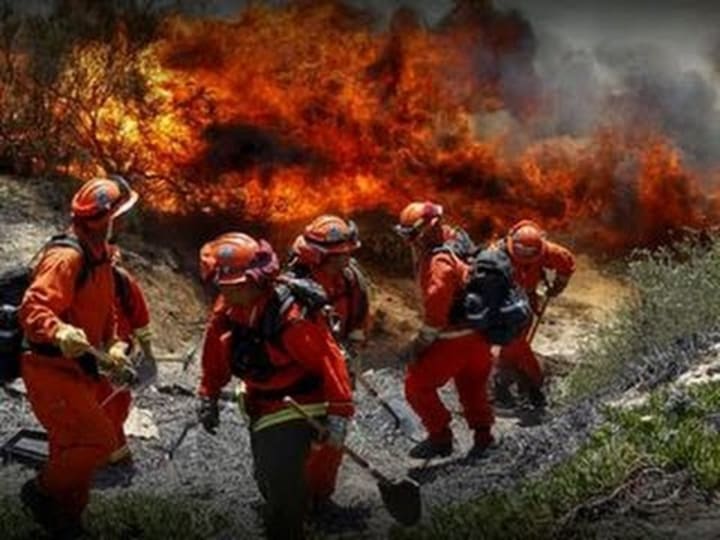
The physical health risks are equally concerning. Apart from the immediate danger of being trapped by the flames, people living in or near wildfire zones are also at risk of inhaling toxic smoke. Air quality can reach hazardous levels, causing respiratory problems and even premature death. Emergency responders, such as firefighters, are at high risk of injury and death due to the extreme conditions they face while fighting the fires.
Efforts to Combat Wildfires
Efforts to combat wildfires in California and Los Angeles have increased in recent years, as the state grapples with this ongoing crisis. The government has invested in better firefighting technologies, such as drones, and enhanced firefighting tactics, including controlled burns and firebreaks. These efforts help reduce the spread of fires and protect communities.
In addition, California has ramped up initiatives to manage forests and land more effectively. By thinning forests and removing dead trees and underbrush, experts aim to reduce the amount of fuel available for fires. The state has also been working to improve infrastructure, such as power lines, to prevent sparks that could start fires.
However, the problem cannot be solved through firefighting efforts alone. Addressing the root causes of wildfires, such as climate change, is critical. Reducing greenhouse gas emissions, investing in renewable energy sources, and promoting sustainable land practices are necessary steps to mitigate the frequency and intensity of wildfires in the long run
Conclusion
The increasing frequency and intensity of wildfires in California, particularly in Los Angeles, highlight the growing environmental and human crises the state faces. The causes are complex, rooted in both natural and human factors, but the devastating effects are undeniable. While firefighting efforts continue to evolve and improve, addressing the underlying causes, particularly climate change, is essential to reducing the impact of wildfires in the future. With continued efforts from the government, communities, and individuals, it may be possible to manage and eventually mitigate the wildfire crisis that threatens California and Los Angeles.
About the Creator
Exploring the Mystique of the Amazon Jungle: Nature’s Greatest Treasure
The Amazon Jungle, often called the "lungs of the Earth," is an extraordinary natural wonder that captivates adventurers, scientists, and conservationists alike. Spanning over 6.7 million square kilometers and spread across nine countries, it is the world’s largest tropical rainforest and a vital component of our planet’s ecosystem. Its unmatched biodiversity and ecological significance make the Amazon a treasure worth exploring and protecting.
By Ryan Hill about a year ago in Photography
Military Strength of Alexander the Great and the Chola Empire: A Historical Comparison
Though separated by more than a thousand years and operating in vastly different geographical and cultural contexts, both forces achieved extraordinary success through discipline, innovation, and strategic brilliance. This article explores the history, composition, size, organization, and military strength of Alexander’s Macedonian army and the Chola military, highlighting how each became a dominant power of its era.
By Say the truth 6 days ago in History



Comments
There are no comments for this story
Be the first to respond and start the conversation.