
Exploring the Mystique of the Amazon Jungle: Nature’s Greatest Treasure
Discover the Wonders of the World’s Largest Rainforest, Its Unique Biodiversity, and the Urgent Need for Conservation


The Amazon Jungle, often called the "lungs of the Earth," is an extraordinary natural wonder that captivates adventurers, scientists, and conservationists alike. Spanning over 6.7 million square kilometers and spread across nine countries, it is the world’s largest tropical rainforest and a vital component of our planet’s ecosystem. Its unmatched biodiversity and ecological significance make the Amazon a treasure worth exploring and protecting.
- A Haven of Biodiversity
The Amazon Jungle is home to an astounding variety of plant and animal species. Over 400 billion individual trees belonging to 16,000 species dominate the landscape. Beneath this dense canopy lies an equally rich diversity of fauna. The Amazon harbors approximately 10% of all known species on Earth, many of which are found nowhere else.
Iconic creatures such as jaguars, anacondas, and harpy eagles coexist with lesser-known but equally fascinating species like the pink river dolphin and the glass frog. For insect enthusiasts, the forest offers a mesmerizing array, including brilliantly colored butterflies, industrious leafcutter ants, and over 2.5 million species of beetles.
- The Lifeblood of the Planet
The Amazon’s dense vegetation absorbs millions of tons of carbon dioxide annually, playing a pivotal role in regulating the planet’s climate. This immense forest acts as a carbon sink, mitigating the effects of climate change. Additionally, it generates 20% of the Earth’s oxygen, earning its reputation as the planet’s lungs.
Beyond its atmospheric contributions, the Amazon influences the global water cycle. Through transpiration, it releases vast amounts of moisture into the air, affecting rainfall patterns across South America and even as far as North America. The Amazon River, which flows for over 6,400 kilometers, is the lifeline of the region, supporting countless ecosystems and communities.

- Cultural Richness and Indigenous Wisdom
The Amazon Jungle is not just a natural wonder but also a cultural one. It is home to over 400 indigenous groups, each with unique languages, traditions, and ways of life. These communities have lived sustainably in harmony with the forest for centuries, using its resources wisely and protecting its delicate balance.
Indigenous knowledge is invaluable for understanding the Amazon’s ecology. For instance, their expertise in medicinal plants has led to the discovery of treatments for various ailments, many of which form the basis of modern medicines. Their harmonious relationship with nature provides crucial lessons on sustainability and conservation.
- Threats to the Amazon
Despite its significance, the Amazon faces grave threats. Deforestation, driven by logging, agriculture, and mining, has led to the loss of millions of hectares of forest. This destruction not only endangers wildlife but also accelerates climate change by releasing stored carbon dioxide into the atmosphere.
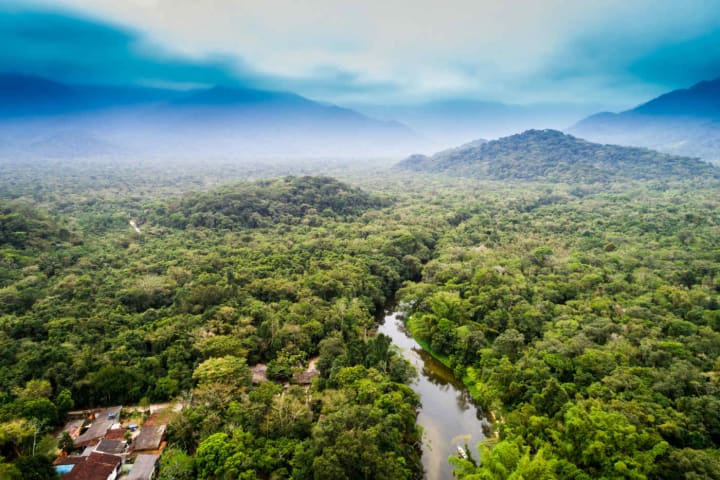
Illegal activities, such as poaching and unregulated fishing, further disrupt the delicate balance of this ecosystem. Additionally, climate change exacerbates these challenges, causing shifts in weather patterns and increasing the frequency of droughts and forest fires.
- Conservation Efforts and Hope
Amid these challenges, conservation efforts are underway to protect the Amazon. Governments, NGOs, and local communities are working together to establish protected areas and promote sustainable practices. Ecotourism, for example, is a growing industry that offers travelers a chance to experience the Amazon’s wonders while contributing to its preservation.
Innovative initiatives, such as reforestation projects and carbon credit programs, aim to restore degraded areas and incentivize conservation. Furthermore, empowering indigenous communities to lead these efforts ensures that their traditional knowledge and rights are respected.
- Exploring the Amazon
For those seeking adventure, the Amazon offers a once-in-a-lifetime experience. Guided tours provide opportunities to explore its dense jungles, navigate its winding rivers, and encounter its incredible wildlife. Popular destinations include the Manaus region in Brazil, the Iquitos region in Peru, and the Yasuni National Park in Ecuador.
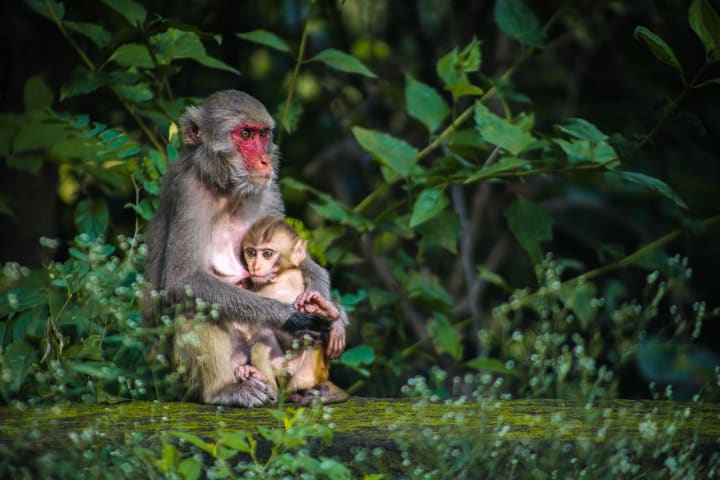
Visitors can enjoy activities such as birdwatching, piranha fishing, and night safaris. Meeting indigenous communities and learning about their cultures adds depth to the journey. However, it is essential to choose eco-friendly tours that prioritize sustainability and minimize environmental impact.
- Conclusion
The Amazon Jungle is a testament to the Earth’s natural beauty and resilience. Its unparalleled biodiversity, ecological importance, and cultural richness make it a global treasure. Yet, it is a treasure under threat. Preserving the Amazon is not just an environmental imperative but a necessity for the health of our planet and future generations.
By understanding its significance and supporting conservation efforts, we can ensure that the Amazon continues to thrive as a sanctuary of life and a symbol of nature’s boundless wonder. Whether through sustainable travel, advocacy, or education, each of us has a role to play in safeguarding this irreplaceable gem.
About the Creator
Keep reading
More stories from Ryan Hill and writers in Photography and other communities.
The Majesty of Jaguars: A Wildlife Icon
The Majesty of Jaguars: A Wildlife Icon The jaguar, one of the most iconic and elusive creatures of the animal kingdom, embodies the wild spirit of the rainforests and savannas it inhabits. As the third-largest cat in the world, following the tiger and the lion, the jaguar holds a special place in the hearts of wildlife enthusiasts and conservationists alike. This magnificent predator, known for its strength, agility, and striking beauty, has long been a symbol of power and mystery.
By Ryan Hill about a year ago in Photography
My Year, in Prattling and Photos
It's been a year since... last year. Ironically, it seems I've found myself a new tradition of getting sick during the New Year holidays. At least, this year (that is, this inter-year period remarkable for its shiny decorations in the streets and houses, and closed supermarkets and pretty much everything), I'm doubtlessly doing better: I've managed to come visit my friends in Germany for Christmas (which I failed to do last year) and—after having some good quality time eating machanka, playing Munchkin and swinging machetes (the last one obviously crept into this checklist only for the sake of the phonological form)—I came back home via proverbial Deutche Bahn and probably less known Schweizerische Bundesbahnen, my body hosting a family of viruses, virions and who knows what other tiny critters somewhere inside my chest.
By Andrei Z.18 days ago in Photography
A Lifetime of Shakas
For more than three decades as a part-time freelance news and sports photographer in Hawaiʻi, I’ve captured countless moments across the islands — and a few on the mainland. Along the way, almost without realizing it, I built an ever-growing photo archive of people flashing the shaka sign.
By Tim Wrightabout 4 hours ago in Photography



Comments
There are no comments for this story
Be the first to respond and start the conversation.