World History
The Legend of Boitatá
Brazilian folklore encompasses a wealth of captivating narratives, featuring mythical beings and extraordinary occurrences that embody the nation’s vibrant cultural diversity. Among these stories, the legend of the Boitatá emerges as particularly enigmatic and compelling. Referred to as a serpent of fire, the Boitatá is thought to protect forests, rivers, and the environment from danger. This article will delve into the origins of this fiery entity, its symbolic meaning, and the cultural importance it represents in Brazil.
By A Históriaabout a year ago in History
The King of All Nuclear Bombs: The Story of the Tsar Bomba . AI-Generated.
The King of All Nuclear Bombs: The Story of the Tsar Bomba Nuclear weapons represent the best annihilative force altruism has anytime created, and amid them, one bomb stands out as the better and best able anytime detonated: the Tsar Bomba. Tested by the Soviet Union during the Cold War, this bomb’s aberrant adeptness becoming it the appellation "King of Bombs," and it charcoal a air-conditioned admonition of the abeyant for confusion that nuclear weapons hold.
By Say the truth about a year ago in History
Changes Made to Solar Farm Proposal: A Step Toward Clean Energy
As the world moves toward cleaner, renewable energy sources, solar power has become a significant player in the transition. Solar farms, which harness energy from the sun to generate electricity, are being proposed and developed across the globe. Recently, changes were made to a solar farm proposal aimed at addressing environmental, community, and logistical concerns. These revisions reflect a balance between sustainable energy development and the needs of local stakeholders.
By Zinnat ara Begumabout a year ago in History
The Rise of Richard the Lionheart
If you've ever watched a movie, read a book, or played a game depicting medieval England, chances are you’ve encountered Richard the Lionheart. Crowned King of England on September 3, 1189, Richard I remains one of the most celebrated monarchs in English history. Though modern scholars have questioned some aspects of his legacy, his name still echoes in legends, stories, and films, cementing his status as a timeless figure in folklore and pop culture. Richard I, known as Richard Cœur de Lion (or Richard the Lionheart), was born on September 8, 1157, likely in a royal palace in Oxford. He was the third son of King Henry II of England and Eleanor of Aquitaine, a powerful and influential political figure of her time. Richard’s mother played a crucial role in his life, as she did in European politics, wielding immense influence due to her vast inheritance and her position as the former queen of France and the queen of England. Richard was one of five children, and he became his mother’s favorite, a preference that would shape his upbringing and career.
By A Históriaabout a year ago in History
How Did Hitler Rise to Power?
The rise of Adolf Hitler, a dictator responsible for one of the most horrific genocides in history, is a chilling narrative that began in the aftermath of World War I. Germany had fought valiantly, but the successful advance of the Allied forces in1918 made it clear that the war was unwinnable. Consequently, Germany signed an armistice, bringing an end to the fighting. As Germany’s imperial government crumbled, civil unrest and widespread worker strikes erupted throughout the nation.
By DANIEL AKAM OKOabout a year ago in History
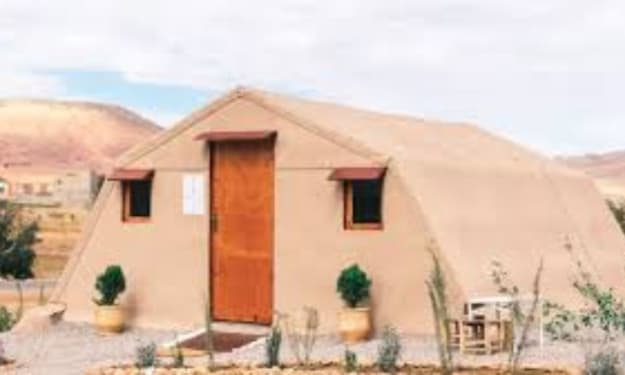
People Rebuilding Their Homes with the Earth: A Return to Sustainable Architecture
In an era where concrete jungles dominate the landscape, a quiet revolution is taking place. People across the globe are turning back to nature, literally, by rebuilding their homes using earth. This age-old practice, rooted in traditional techniques, is experiencing a resurgence as individuals seek sustainable, eco-friendly alternatives to modern construction. By embracing the earth as a building material, these people are not only helping the environment but also creating healthier and more resilient homes.
By Zinnat ara Begumabout a year ago in History
The Sweet Track: A 5,830-Year-Old Window into Neolithic Ingenuity
Tucked away in the marshy Somerset Levels of southwest England lies one of the most remarkable archaeological discoveries of the 20th century: the Sweet Track. This ancient Neolithic timber walkway, unearthed in 1970, is not only a marvel of prehistoric engineering but also one of the oldest known wooden trackways in the world. Dating back an astonishing 5,830 years, the Sweet Track offers a glimpse into a time when humans were transitioning from nomadic lifestyles to more settled agricultural communities. It stands as a testament to the ingenuity and resourcefulness of our distant ancestors.
By Deji Akomolafeabout a year ago in History
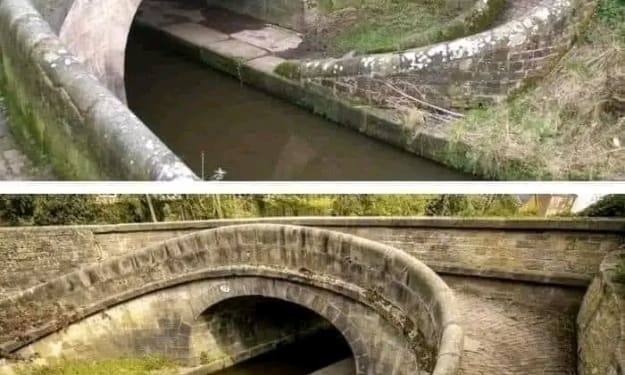
The Ingenious "Snake Bridge" of the Macclesfield Canal: A Testament to 19th-Century Engineering
The Macclesfield Canal, which opened in 1831, played a crucial role in British industry during the 19th century, facilitating the transportation of goods and resources across northern England. A distinctive and innovative feature of this canal system is the "snake bridge," a clever engineering solution designed to allow horses to continue towing barges without the need to unhitch or interrupt their journey. These bridges are not only functional marvels of their time but also represent the ingenuity and adaptability of British canal engineering.
By Deji Akomolafeabout a year ago in History
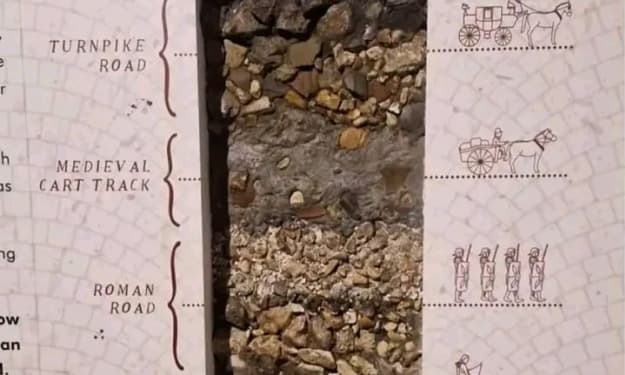
The Fosse Way and the A303: Unearthing England’s Ancient Roman Road
In the English countryside, beneath the busy modern lanes of the A303 highway, lies a hidden historical treasure—an ancient Roman road known as the Fosse Way. This road, which has existed for nearly two millennia, traces a route that once connected the southwest of England to the heart of Roman Britain. Though buried beneath layers of modern infrastructure, cross-sections of the ground beneath the A303 reveal the path of this remarkable Roman road, providing a glimpse into a world that existed thousands of years ago.
By Deji Akomolafeabout a year ago in History
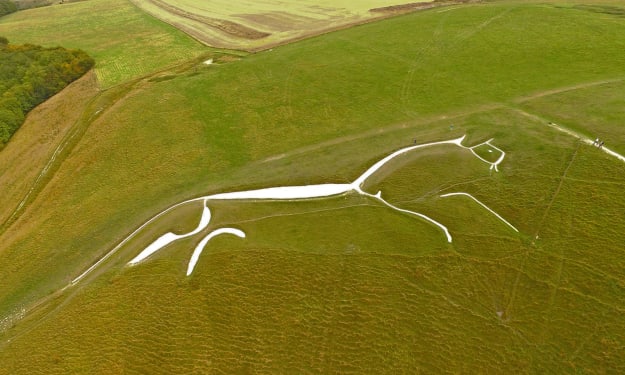
The White Horse of Uffington: A 3,000-Year-Old Enigma
Perched on the rolling chalk hills of Oxfordshire, England, the White Horse of Uffington has captured the imagination of locals and historians alike for over 3,000 years. This iconic hill figure, carved into the earth, stands as a remarkable testament to the creativity and ingenuity of prehistoric peoples. Yet, for all its grandeur and historical significance, much about the White Horse remains shrouded in mystery. Who created it? Why was it made? And what does it truly represent?
By Deji Akomolafeabout a year ago in History