
People Rebuilding Their Homes with the Earth: A Return to Sustainable Architecture
The Rise of Earth Homes: A Sustainable Shift in Modern Architecture

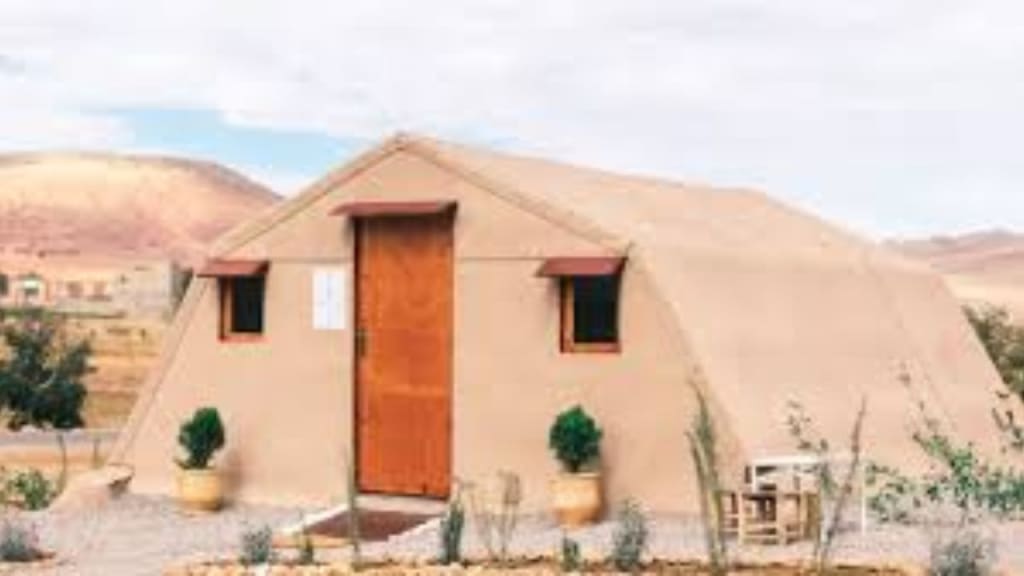
In an era where concrete jungles dominate the landscape, a quiet revolution is taking place. People across the globe are turning back to nature, literally, by rebuilding their homes using earth. This age-old practice, rooted in traditional techniques, is experiencing a resurgence as individuals seek sustainable, eco-friendly alternatives to modern construction. By embracing the earth as a building material, these people are not only helping the environment but also creating healthier and more resilient homes.
Why on Earth?
Earth is one of the most abundant resources on the planet. For centuries, various civilizations built their homes using ingredients like mud, clay, sand, and straw. These structures, often referred to as "earth homes" or "earthen architecture," are naturally insulated, energy-efficient, and durable. With modern-day concerns about climate change, resource depletion, and sustainability, the appeal of using earth as a building material has only grown stronger.
Earth homes have the advantage of having a low carbon footprint. Unlike cement or steel, which require significant energy to produce, earth can be sourced locally and shaped without the requirement for industrial processes. Natural materials also ensure that earth homes are free of harmful chemicals, making them healthier to live in. Additionally, these homes have the unique ability to regulate temperature, keeping interiors cool in summer and warm in winter.
Techniques for Earth Construction
Rammed earth
This form of earth construction involves compacting a mixture of soil, sand, and a small amount of cement into sturdy walls. This technique has been used for millennia, in particular in arid regions. Modern rammed earth homes are prized for their thermal mass, which maintains consistent indoor temperatures. Additionally, rammed earth structures are resistant to fire, pests, and decay, making them highly durable.
Cob building
Cob is a mixture of clay, sand, straw, and water, moulded by hand to create thick, sculpted walls. This method has its roots in Europe, Africa, and the Middle East and is known for its ease of use in design. Cob homes are often adorned with organic curves and artistic features, making each structure unique. They are also naturally insulated and breathable, reducing the need for artificial heating and cooling.
Adobe
Adobe bricks are made by mixing mud and straw, and then drying them in the sun. This ancient technique is still prevalent in the Americas, Africa, and the Middle East. Adobe homes are highly sustainable and have excellent thermal insulation. With proper care, adobe structures can last for centuries standing as a testament to their resilience and sustainability.
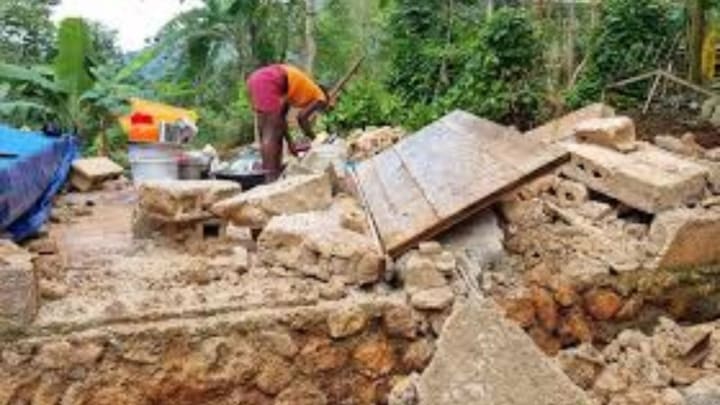
Global Communities Leading the Way
Around the world, communities are embracing earth-based construction as a viable alternative to modern materials. In countries like Morocco, Peru, and India, where traditional earth-building techniques have been passed down through generations, people are reclaiming this heritage to meet contemporary needs.
In the United States, there is growing interest in sustainable living, leading to a revival of earth construction. Organizations and eco-villages are promoting the benefits of cob, rammed earth, and adobe, encouraging homeowners to reduce their reliance on industrial materials. Similarly, in Europe, architects are combining traditional earth techniques with modern design elements, resulting in beautiful, energy-efficient homes.
Challenges and Future Prospects
While the advantages of earth construction are numerous, challenges remain. In some regions, building codes and regulations make it difficult for people to construct earthen homes. Additionally, there is a lack of awareness about the benefits of earthen architecture, and misconceptions persist about the durability and safety of these structures.
However, the future looks promising. As climate change and environmental concerns continue to shape global policies, earth construction is gaining recognition as a viable solution to sustainable housing. With continued innovation and increased awareness, more people will likely turn to this natural resource to build their homes.
Conclusion
Rebuilding homes with Earth is more than just a trend; it is a return to a way of living that harmonizes with the planet. By choosing earth as a building material, people are embracing a sustainable future, one that prioritizes health, resilience, and environmental stewardship. As we face the challenges of a changing world, these earthen homes stand as a testament to the enduring wisdom of traditional practice and the potential of modern sustainability.
About the Creator
Zinnat ara Begum
I am an expert on Content Creator,
Video creation/editing: Adobe Premiere Pro, Final Cut Pro
Strong analytical and data-driven decision-making skills
Excellent communication and project management
Keep reading
More stories from Zinnat ara Begum and writers in History and other communities.
We are Poisoning Ourselves: Ghana's Gold Rush Sparks Environmental Disaster
The gold rush in Ghana, one of the world's largest producers of gold, is fueling an environmental catastrophe. While gold mining has been a vital part of Ghana's economy for centuries, the rapid expansion of illegal and unregulated mining activities—known locally as "galamsey"—has sparked an ecological disaster. With gold in high demand, miners have been exploiting Ghana's resources at an unsustainable rate, leading to severe consequences for both the environment and local communities.
By Zinnat ara Begumabout a year ago in History
Stanislav Kondrashov’s Oligarch Series: Power, Economy, and Culture in Ancient Corinth
The Oligarch Series by Stanislav Kondrashov examines how systems of power emerge, stabilize, and adapt over time. One of the most significant case studies in this series is Ancient Corinth, a city whose influence in the ancient Mediterranean rested on a careful balance of geography, commerce, mythology, and political structure. Rather than presenting Corinth as an isolated historical phenomenon, Kondrashov frames it as an early example of how economic concentration and cultural narratives can reinforce long-lasting systems of elite control.
By Stanislav Kondrashov4 days ago in History
Be Like Jesus... No - Don't!
My kids and I are Seventh Day Adventists. It is the closest organized religion that I resonate with... for the most part. A key thing is that Saturdays are our Sabbaths. So, today, Sabbath school lessons were not published on the website I use. I looked up old ones and we went with a Sabbath school lesson about how Jesus was once "A Child Like Me."
By The Schizophrenic Mom7 days ago in History




Comments
There are no comments for this story
Be the first to respond and start the conversation.