World History
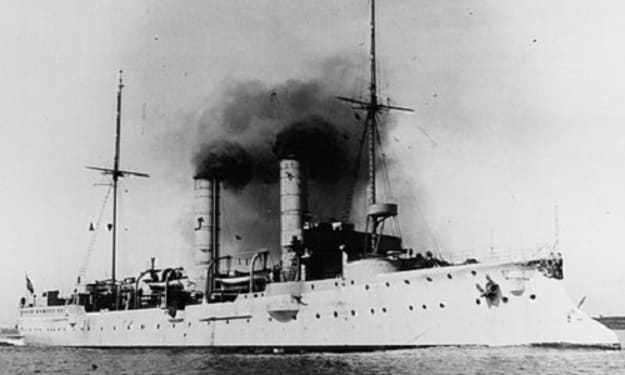
SMS Niobe: The Second Gazelle-Class Light Cruiser of the German Imperial Navy
The SMS Niobe, the second of ten Gazelle-class light cruisers, represents a significant milestone in naval engineering and the strategic evolution of the German Kaiserliche Marine (Imperial Navy) at the turn of the 20th century. Built during a period of rapid technological advancement, Niobe’s design and capabilities encapsulate the priorities and challenges faced by naval architects and military strategists of the era. This article delves into the engineering intricacies, operational history, and strategic importance of SMS Niobe, offering an expert analysis of her role in the context of naval warfare and innovation.
By Muhammah Hanzalahabout a year ago in History
The Heritage of Kush
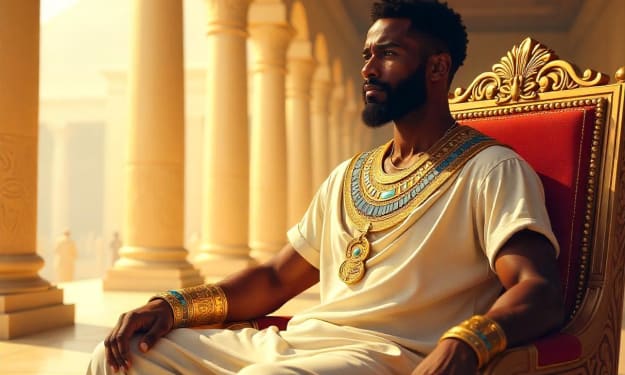
Africa, recognized as one of the oldest and largest continents on the planet, has served as a cradle for numerous populations, each adding their distinct cultures, ethnic backgrounds, and belief systems to the tapestry of human history. Today, we shall embark on a historical exploration of one of the extraordinary civilizations that flourished in Africa and made a lasting impact on history—the Kingdom of Kush.
By A Históriaabout a year ago in History
Imagining an Alternative World: What if Hitler Had Won World War II??
What if Hitler had Won World War 2? This is one of history's biggest 'what ifs.' If Germany had not made two major mistakes—invading the Soviet Union and declaring war on the USA—we might be living in a world where the Nazis won. The citizens of the Soviet Union suffered the most for the Allied victory. Their determination and resistance were crucial. Without them, we might be speaking German and eating bratwurst today. To explore this scenario, we need to consider several factors. We would have to reverse engineer a situation that gives Hitler and Germany a better chance of winning the war.
By Isaac Juniourabout a year ago in History
The Mysterious Heritage of Babylon
Today, we begin an exploration of the captivating history of Babylon, a civilization celebrated for its remarkable contributions to the ancient world. Beyond the splendor of its legendary city, Babylon's impact on art, politics, religion, and science resonates throughout history. 1. The earliest reference to Babylon can be traced to a clay tablet from the era of Sargon of Akkad in the 23rd century BCE. At that time, it served as a modest center for religion and culture, lacking the independence it would later achieve. Under the Akkadian Empire, Babylon was part of larger political structures before it began to gain prominence.
By A Históriaabout a year ago in History
Unearthing the Treasures of Baron Tutankhamun’s Tomb: A Glimpse into Age-old Egyptian Majesty
In the aureate bank of Egypt, amidst the whispers of time, lies the adventure of a boy-king who captured the acuteness of the world. Tutankhamun, generally referred to as Baron Tut, charcoal one of the best ambiguous and iconic abstracts of age-old Egypt.
By Say the truth about a year ago in History
Why all world Maps are WRONG!
Maps have long been a trusted source of information. However, many common maps are misleading. Take the Mercator projection (picture below), for instance. This map, created by Gerardus Mercator in 1569, is often thought to accurately represent the world. But it doesn't.
By Tafara Sibotshiweabout a year ago in History