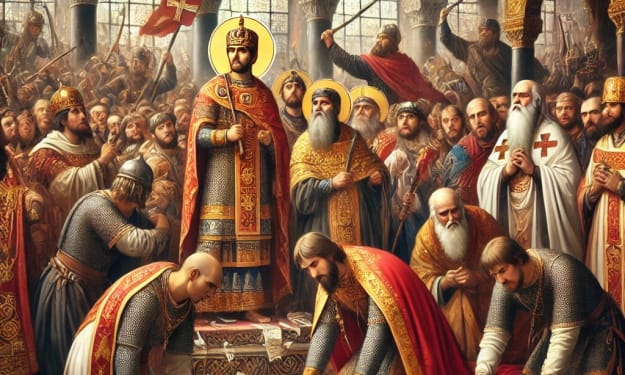
Medieval
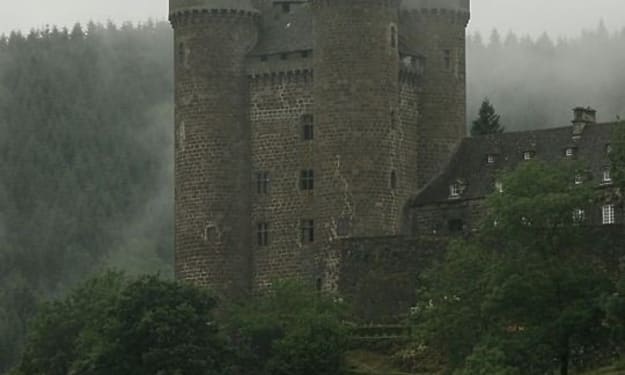
Orford Castle: A Journey Through Time from the 13th Century to Today
Perched in the serene Suffolk countryside, Orford Castle stands as a testament to England’s turbulent medieval past. Built between 1165 and 1173 under the orders of King Henry II, this iconic structure was more than just a symbol of power; it was a strategic masterpiece designed to consolidate the king’s control over rebellious lords and protect England’s coastline. While much of the original complex has been lost to time, the central keep remains remarkably intact, offering visitors a glimpse into its storied past.
By Deji Akomolafeabout a year ago in History
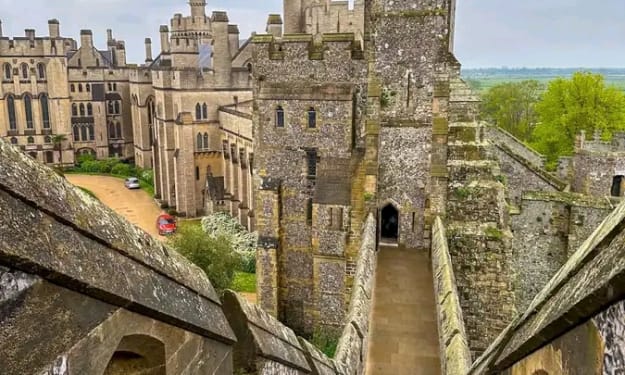
Arundel Castle: A Majestic Testament to England’s History
Nestled in the picturesque countryside of West Sussex, England, Arundel Castle is a magnificent medieval stronghold that has stood the test of time. Built in 1067 by Roger de Montgomery, the Earl of Arundel, this grand fortress has witnessed nearly a thousand years of history, serving as both a strategic defensive structure and a family residence. Today, Arundel Castle is one of the longest-inhabited castles in the United Kingdom, offering visitors a captivating journey through England’s rich past.
By Deji Akomolafeabout a year ago in History
The Strangest Stories in History: Discovering the Most Bizarre Events from the Past
In the beginning There are a lot of unusual things that have happened throughout history, as well as strange happenings and mysterious tales that almost seem too fantastic to be real. Individuals from all over the globe continue to be fascinated and perplexed by these peculiar tales from the past, which vary from ancient mysteries to contemporary riddles that have not been solved. For what reasons are some historical occurrences considered "strange"? Why is it that some events in history are relegated to the realm of fables, while others are relegated to the realm of obscurity?
By QuirkTalesabout a year ago in History
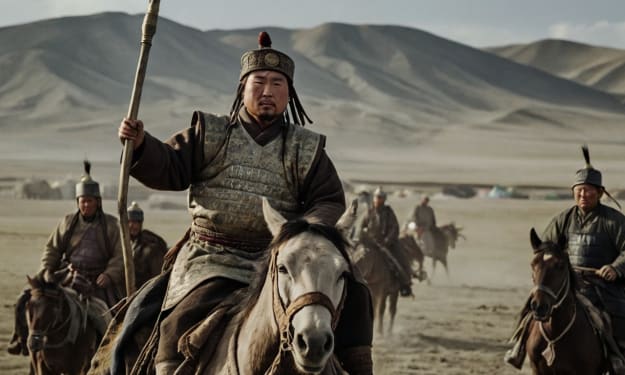
The Mongol Empire
The Mongol Empire: Reasons for Its Rapid Rise and Sudden Collapse The Mongol Empire is one of the largest empires in history, stretching from East Asia to Eastern Europe and controlling vast territories in the 13th century. Founded by Genghis Khan, who united the Mongol tribes under his leadership, the empire embarked on unprecedented campaigns of expansion. However, the empire experienced a rapid rise and a sudden collapse, making it a fascinating subject of study. In this article, we will explore the reasons behind the rise of the Mongol Empire and the factors that led to its collapse.
By 💓 Pulse of Stories 💓about a year ago in History
Northern Warriors
When we hear word Vikings, first thing that comes to mind is barbarian warriors with terrifying looks. But where are they actually from? Why are they called Vikings? The etymology of the word Viking is uncertain. There are many theories on what it means and how was it created. The Old Norse word víkingr usually meant “pirate” or “raider.” There are few approaches that we can undertake to try look closer on this word. According to Wikipedia: The essential three elements of the word "Viking" are: the original meaning, derivation or etymology (its medieval usage) and its current modern-day usage. According to some authors, these three elements are often confused in popular and scholarly discussions. Also, the etymology of the word has been much debated by academics, with many origin theories being proposed. (...) One theory suggests that the word's origin is from the Old English wicing and the Old Frisian wizing that are almost 300 years older, and probably derive from wic, related to the Latin vicus "village, habitation". Another less popular theory is that víking came from the feminine vík, meaning "creek, inlet, small bay". (...) Another etymology that gained support in the early 21st century derives Viking from the same root as Old Norse vika, f. 'sea mile', originally meaning 'the distance between two shifts of rowers'. (...) In the Middle Ages viking came to mean Scandinavian pirate or raider.
By Joanna Golczynskaabout a year ago in History
A Halloweenish Story about Pagans and the Catholic Church
I walked past a litany of ghosts, or more aptly, a series of children whose mothers cut two holes in a white blanket and mummies wrapped in gauze pads. Crisp blue skies yellowing and oranging and pinking into the horizon. And a jack-o-lantern in every third house. I could tell which homes had young children by how elaborate the decorations were and whether they were decorated at all. If I worked at the Census Bureau, Halloween decorations would've saved me a lot of time. Halloween also saved the Catholic Church a lot of time they would've spent killing pagans.
By Theodore Garp about a year ago in History
Fascinating Tales from the Past: History's Hidden Gems.
1919's Great Molasses Flood Envision a sticky catastrophe of monumental scale! A huge tank of molasses in Boston exploded, unleashing a 15-foot tsunami that raced through the streets at 35 miles per hour. Out of 150 persons injured, 21 died in this strange disaster. It took weeks to clean up, and for decades thereafter, many said they could still smell molasses on hot days.
By Neli Ivanovaabout a year ago in History