

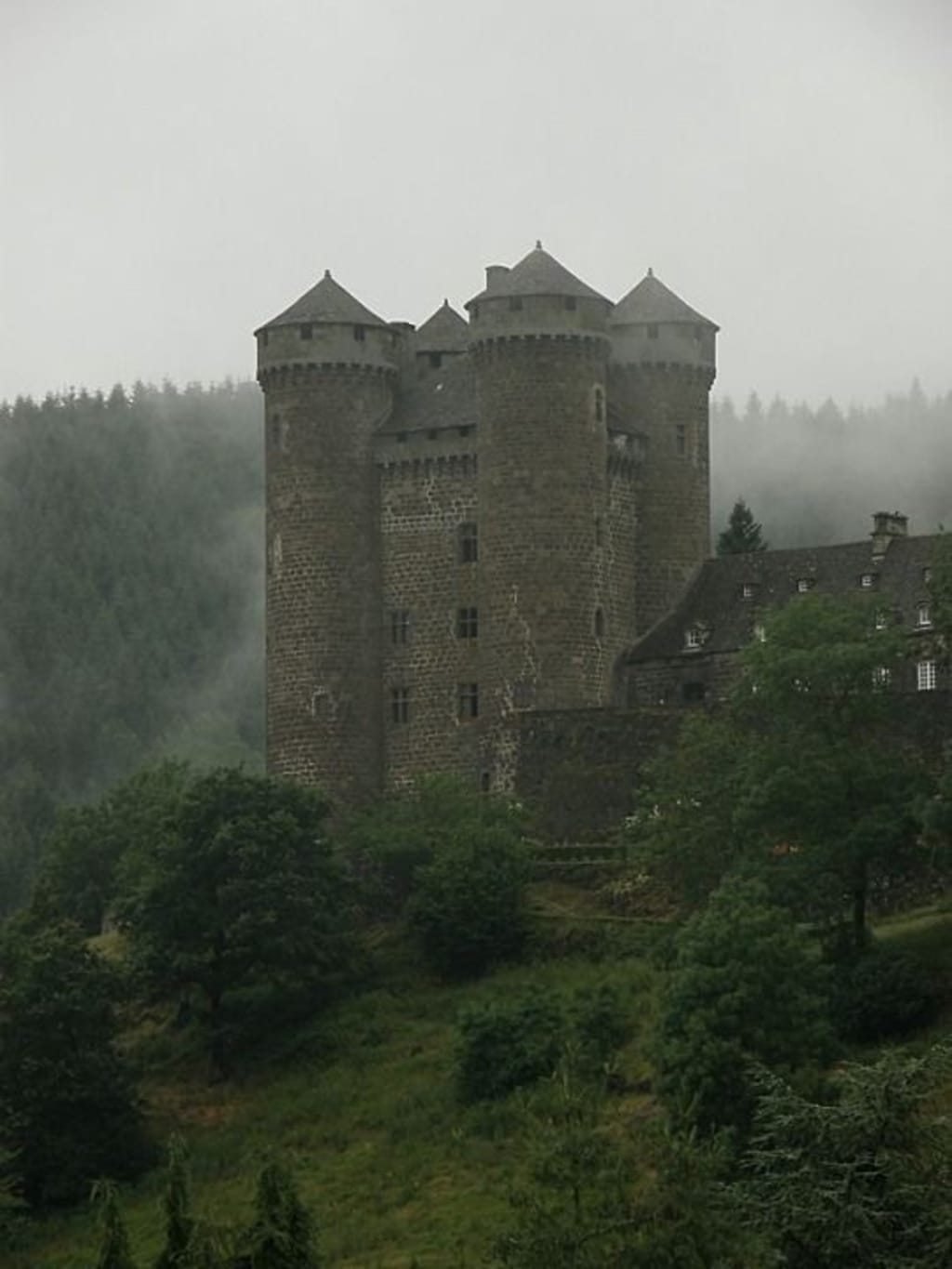
Movies and TV portray castle life as lavish, especially for nobles. However, it wasn't all feasts and celebrations. Castles were dark, damp, and smelly. They were filled with vermin and disease. Today, we will examine what life was truly like in a medieval castle.
If you were part of the ruling class, you enjoyed rich wine and the occasional hot bath. Most people, however, found little comfort apart from attending church or punishing enemies.
In medieval Europe, plumbing was nonexistent. This meant no running water and no flushing toilets. Waste accumulated in cesspools, making every castle resemble a giant porta potty. Imagine that on a hot summer day. It’s easy to see why the characters in shows like Game of Thrones were often angry.
The lack of running water also meant no baths, except for the very wealthy. Servants often smelled unpleasant due to this. They could not afford medicine like the nobles could, leaving many castle dwellers ill and reliant on home remedies or prayer.
Privacy in castles was rare, especially for those without ownership. When one needed to use the bathroom, they did so on a bench with holes, all in plain sight of onlookers. There was no flushing, so waste fell into a deep pit below. Losing something, like wagon keys, would be disastrous.
Living in a castle was cramped. Many servants were needed for daily operations, alongside multiple generations of the ruling family and their attendants. It was akin to a small, crowded city focused on serving a single family.
Castles had dungeons for punishing criminals or political foes. However, Disney films often omit the frequent torture of these prisoners. One cruel method involved letting rats eat victims alive. This was believed to purify sins, adding a dreadful meaning to “for your own good.”
Rats were a constant issue in castles. They thrived in dark, damp spaces. People accepted their presence as part of life, like a common nuisance. Many were actually afraid of them, especially since they were often associated with disease and torture.
Life in a castle often called for alcohol to cope with the unpleasant surroundings. The wealthy enjoyed fine wines and spirits, while servants drank whatever was available. Safe drinking water was scarce, making alcohol a safer choice.
Servants had to wake up at sunrise to complete their work. Castles were dark, even during the day. Sunlight was precious for completing tasks. Most people in society, unless wealthy, had to work early to earn a living.
Bathing was a desire for many, but access to clean water was limited for the lower class. The bathing setup was rudimentary; a large tub could be moved around for use. Privacy and hygiene were lacking, but it was better than nothing.
Castles were primarily built for defense, made with cold stone and little insulation. Servants often slept in dark, cold quarters, increasing the risk of illness.
Life in a castle included constant activity, whether it was celebrating holidays or hosting guests. Cooks spent entire days preparing feasts while receiving only meager meals themselves. Lords and ladies feasted at a long table, seated by rank. The servants remained out of sight at the far end.
While the upper class enjoyed gourmet meals, servants made do with simple stew or pie. Most peasants never entered the castle, working the land to sustain their families. The ruling class had to govern their lands, making decisions and negotiating politically while relying on their vast staff of servants.
Cleaning was a constant struggle; rushes and herbs were spread across floors to mask unpleasant odors. Replacing them often revealed layers of filth. Walking through a castle meant stepping over hidden messes.
Cooking relied on open flames, which posed risks in wooden kitchens. Fires were a common hazard. It was only later that stone was used for construction, making kitchens safer.
Every castle had a chapel for morning mass. Along with the great hall, it served as a central feature. In elaborate castles, chapels had two stories, with nobles sitting above servants, literally looking down on them.
Overall, life in a castle during the Middle Ages was tough. Even those at the top experienced significant discomfort. What do you think about castle life?
About the Creator
The Seven Wonders of the World: Amazing Human Creations
People have always been fascinated by things that are grand and unusual. From the very beginning of civilization, humans wanted to build structures that were not just useful, but also showed their skill, creativity, and ambition. The Seven Wonders of the World are the most famous examples of this desire. They are impressive not only because of their size or beauty, but also because of the stories they tell about our past, different cultures, and human innovation. The idea of the Seven Wonders comes from ancient travelers and historians who listed the most remarkable human creations. Even though some of these wonders no longer exist, their legacy continues to inspire people around the world. Let’s explore each one, looking at their history, significance, and why they remain unforgettable. 1. The Great Pyramid of Giza (Egypt) The Great Pyramid of Giza is the only surviving wonder of the original Seven Wonders. Built around 2560 BCE as the tomb of Pharaoh Khufu, it is an extraordinary engineering achievement. Made from more than two million limestone blocks, some weighing over 15 tons, the precision of its construction is still astonishing today. The pyramid shows the power and beliefs of ancient Egypt and continues to attract visitors from all over the world. It is a true symbol of human skill and vision. 2. The Hanging Gardens of Babylon (Iraq) The Hanging Gardens of Babylon are famous for their beauty and clever design, though historians still debate whether they really existed. Ancient stories say King Nebuchadnezzar II built these stepped gardens for his wife, Amytis, who missed the green hills of her homeland. The gardens, described as terraces full of trees, flowers, and shrubs, appeared to float above the city. Whether real or partly mythical, they show how ancient people combined nature and architecture in extraordinary ways. 3. The Statue of Zeus at Olympia (Greece) Around 435 BCE, the sculptor Phidias created the Statue of Zeus at Olympia. This huge statue of the Greek god Zeus, seated on a throne, was over 12 meters tall and made of ivory and gold-plated bronze. It represented both artistic skill and religious devotion. Even though it was destroyed long ago, records and artistic depictions keep its memory alive, showing the Greeks’ dedication to beauty, religion, and craftsmanship. 4. The Temple of Artemis at Ephesus (Turkey) The Temple of Artemis, built around 550 BCE, was dedicated to the Greek goddess of the hunt and wilderness. Known for its enormous size, detailed sculptures, and beautiful design, it was rebuilt several times after destruction, reflecting its cultural importance. People traveled from across the Mediterranean to see it, making the temple a center of religion, art, and commerce. Today, its ruins still tell the story of a civilization that valued beauty and spiritual devotion. 5. The Mausoleum at Halicarnassus (Turkey) Built between 353 and 350 BCE, the Mausoleum at Halicarnassus was the tomb of Mausolus and his wife Artemisia. Combining Greek, Egyptian, and Lycian styles, it stood around 45 meters tall and was decorated with intricate sculptures. Its design influenced monumental tombs for centuries. Even after earthquakes destroyed it, the Mausoleum remains a symbol of human creativity and architectural achievement. 6. The Colossus of Rhodes (Greece) The Colossus of Rhodes, built between 292 and 280 BCE, was a massive bronze statue of the sun god Helios, celebrating Rhodes’ victory over an invading army. Over 30 meters tall, it was one of the tallest statues of the ancient world. Although it only stood for 54 years before an earthquake toppled it, the Colossus became a symbol of triumph, resilience, and artistic achievement, inspiring large statues throughout history. 7. The Lighthouse of Alexandria (Egypt) The Lighthouse of Alexandria, or Pharos, was built around 280 BCE on the small island of Pharos. Standing over 100 meters tall, it served as both a landmark and a guide for sailors entering Alexandria’s busy harbor. Its elegant design combined functionality and beauty. Though earthquakes destroyed it long ago, it remains a symbol of human ingenuity and innovation in maritime engineering. The Legacy of the Seven Wonders The Seven Wonders are more than just buildings; they are symbols of human creativity, ambition, and achievement. Each wonder tells a story about the people who built it, the culture it came from, and the new ideas of its time. Even though some no longer exist, their stories continue to live through historical records, art, and the fascination of people worldwide. These wonders still inspire architects, artists, engineers, and travelers today. From the pyramids of Egypt to the Hanging Gardens of Babylon, they remind us that imagination and effort can create something that lasts for thousands of years. They are examples of determination, vision, and the pursuit of excellence. Conclusion The Seven Wonders of the World are timeless creations that celebrate human creativity and determination. They are more than stones, metals, or ruins—they represent entire civilizations and the marks they left on history. Even after centuries, their stories continue to inspire people to dream, create, and achieve greatness. These wonders remind us that with vision, passion, and effort, humans can build creations that
By Binan Mooon3 days ago in History
3 Everyday Rules That Exist Because Someone Once Did Something Very Stupid
Everywhere you go, you are surrounded by rules that feel oddly specific. Do not touch. No running. Contents hot. Do not insert body parts. These warnings aren’t theoretical. They weren’t written by pessimists or lawyers with too much free time. They exist because at some point in history, a real human being looked at a situation and thought, “This will probably be fine.”
By Enoch Sagini6 days ago in History
Ludacris and Nelly draw backlash over bookings at MAGA-coded music festival
Ludacris and Nelly headlining a mostly right-wing event is good for them. It’s also great for the genre of hip hop. The two rap veterans have showcased their talents on other stages. Why can’t they perform for mostly MAGA folks and grab that bag?
By Skyler Saunders6 days ago in Beat


Comments