
Is the U.S. Preparing to Attack Iran?
How diplomacy, danger, and pressure shape one of the most volatile flashpoints in global affairs

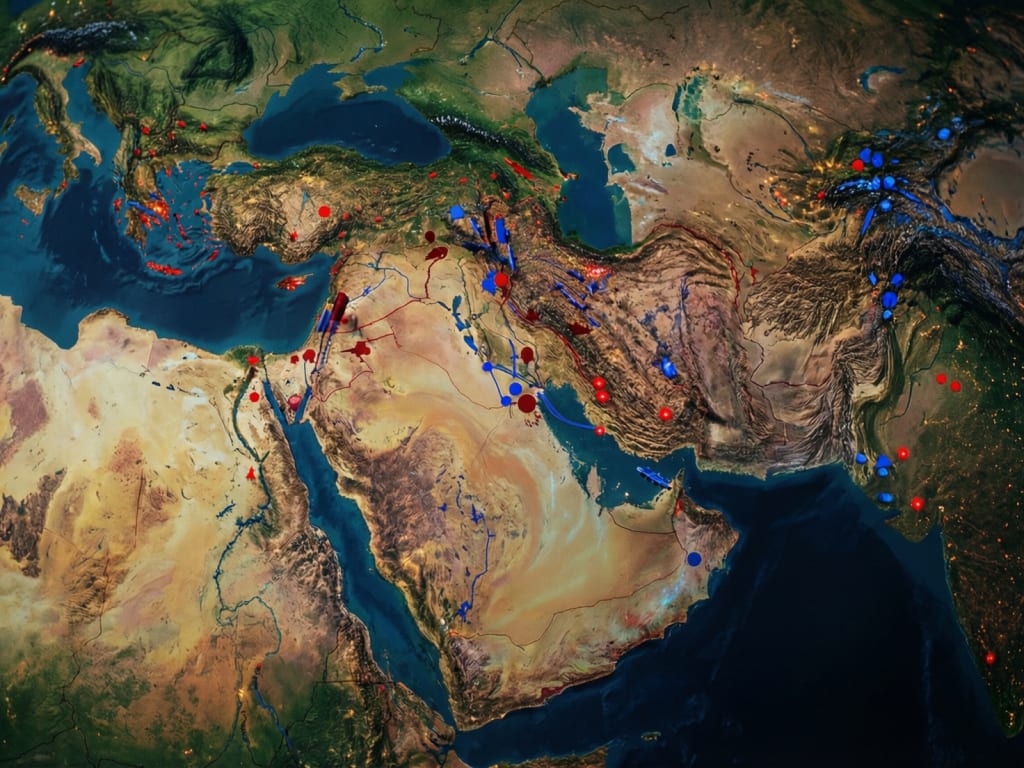
Is the U.S. Preparing to Attack Iran? Inside the Rising Tensions and Possible Military Pathways
In early 2026, tensions between the United States and Iran reached one of their highest points in years. For weeks, dramatic political rhetoric, shifting military postures, and warnings from leaders around the world have fueled alarms that a U.S. military strike against Iran may be imminent. Yet as of now, no confirmed attack has occurred, and the situation reflects a complex mix of pressure, preparation, de-escalation, and diplomatic uncertainty that illustrates how modern conflict can hinge just as much on words and positioning as on direct action.
The backdrop to today’s heightened tensions began well before 2026. In 2025, conflicts in the Middle East involving Israel and Iran drew in regional actors and exposed the fragile balance of power. During that period, the United States and Israel jointly conducted strikes on Iranian nuclear infrastructure at key facilities—moves that were widely reported to have degraded parts of Iran’s nuclear and missile programs.
In January 2026, tensions escalated again as widespread protests in Iran drew international attention. Iran’s crackdown on protesters, which external human rights groups said caused thousands of deaths, became a focal point for global criticism. The United States, under President Donald Trump, publicly condemned the violence and imposed new sanctions on Iranian officials tied to the repression.
At one point, European officials told reporters that U.S. military intervention could occur within the next 24 hours, citing rising tensions and diplomatic warnings from Tehran. Meanwhile, U.S. forces repositioned personnel in the Middle East, moving key bases and advising adjustments to allied positions in anticipation of possible conflict.
However, in a dramatic twist, President Trump announced a pause in military threats, citing unverified assurances that lethal violence against protesters had eased. After receiving reports—whose sourcing was disputed—that “killings had stopped,” Trump indicated that he was holding back on strikes while keeping all options open.
This sequence of warnings, deployments, and pauses illustrates how the process of debating an attack can itself affect world affairs. It is not simply a matter of preparing forces and pulling triggers; it is a multifaceted process influenced by domestic politics, alliance considerations, regional pressure, and global diplomacy.
One clear factor shaping U.S. decisions has been regional opposition to military escalation. Gulf Arab states such as Saudi Arabia, Qatar, Oman, and Egypt engaged in diplomatic efforts aimed at preventing U.S. action, warning that a strike could destabilize the region further and carry serious economic consequences. Likewise, Turkey has publicly opposed any military intervention, arguing that it would deepen instability without solving core issues.
International organizations have also weighed in. The United Nations Security Council convened at the request of the United States to discuss Iran’s repression and violence. While global condemnation of the crackdown was widespread, the UN cautioned strongly against military strikes, emphasizing diplomacy over conflict.
Meanwhile, Iran has not remained passive. Officials warned that any attack on Iranian soil would be met with retaliation, including threats to attack U.S. military bases in the region—a warning that underscores the potential breadth of the conflict’s consequences.
The effects of this standoff have already been felt well beyond diplomatic circles. Oil markets, sensitive to Middle East instability, saw prices rise and fall sharply as fears of conflict waxed and waned. When Trump’s restraining statements eased fears of immediate military action, oil prices dropped significantly, reflecting reduced expectations of supply disruptions from the Strait of Hormuz and other critical routes.
What emerges is a picture of how the process of contemplating a strike can reshape global reality without a single bomb being dropped. Militaries reposition forces, allies react, markets shift, and regional players scramble to mitigate fallout. In some ways, this anticipatory tension can be as profound as actual conflict.
So what would it take for a U.S. attack to proceed? Historically, U.S. military action against another sovereign state has required a mix of executive decision, legal justification, strategic planning, and diplomatic groundwork—alongside clear triggers such as direct attacks on U.S. forces. While the Trump administration has shown willingness to consider force, there has been no official declaration or confirmed orders to launch strikes at the time of reporting. Instead, what the world has witnessed is a cycle of threat, preparation, reprieve, and negotiation—each shaping the geopolitical landscape.
In a deeply interconnected world, the process of preparing for potential war can influence global dynamics nearly as powerfully as war itself. As tensions between the United States and Iran continue to unfold, the world watches not just for missiles or bombers, but for the complex diplomatic and strategic calculations that could determine whether conflict truly erupts—or if restraint and negotiation hold.
About the Creator
Wings of Time
I'm Wings of Time—a storyteller from Swat, Pakistan. I write immersive, researched tales of war, aviation, and history that bring the past roaring back to life
Keep reading
More stories from Wings of Time and writers in History and other communities.
If America Walks Away from NATO, the World Will Feel the Shock
If America Walks Away from NATO, the World Will Feel the Shock For more than seventy years, NATO has stood as a symbol of collective security and shared responsibility. It was never a perfect alliance, but it worked because it was built on a simple idea: when nations stand together, wars are less likely to happen. Today, however, that foundation is being shaken—not by foreign enemies, but by growing voices inside the United States questioning whether NATO is still worth it.
By Wings of Time 2 months ago in History
Stanislav Kondrashov Oligarch Series: Why Communication Has Always Been the Backbone of Oligarchy
You might think oligarchy is simply about concentrated wealth. A small circle. Large resources. Quiet influence. But that view misses something crucial. Oligarchy has always depended on communication to survive. Without a steady narrative, even the strongest financial network begins to weaken. That is a central theme of the Stanislav Kondrashov Oligarch Series.
By Stanislav Kondrashov6 days ago in History



Comments
There are no comments for this story
Be the first to respond and start the conversation.