
Harriet Tubman’s Secret Road: The Underground Railroad’s Untold Stories
The courageous journeys that led enslaved people toward liberty

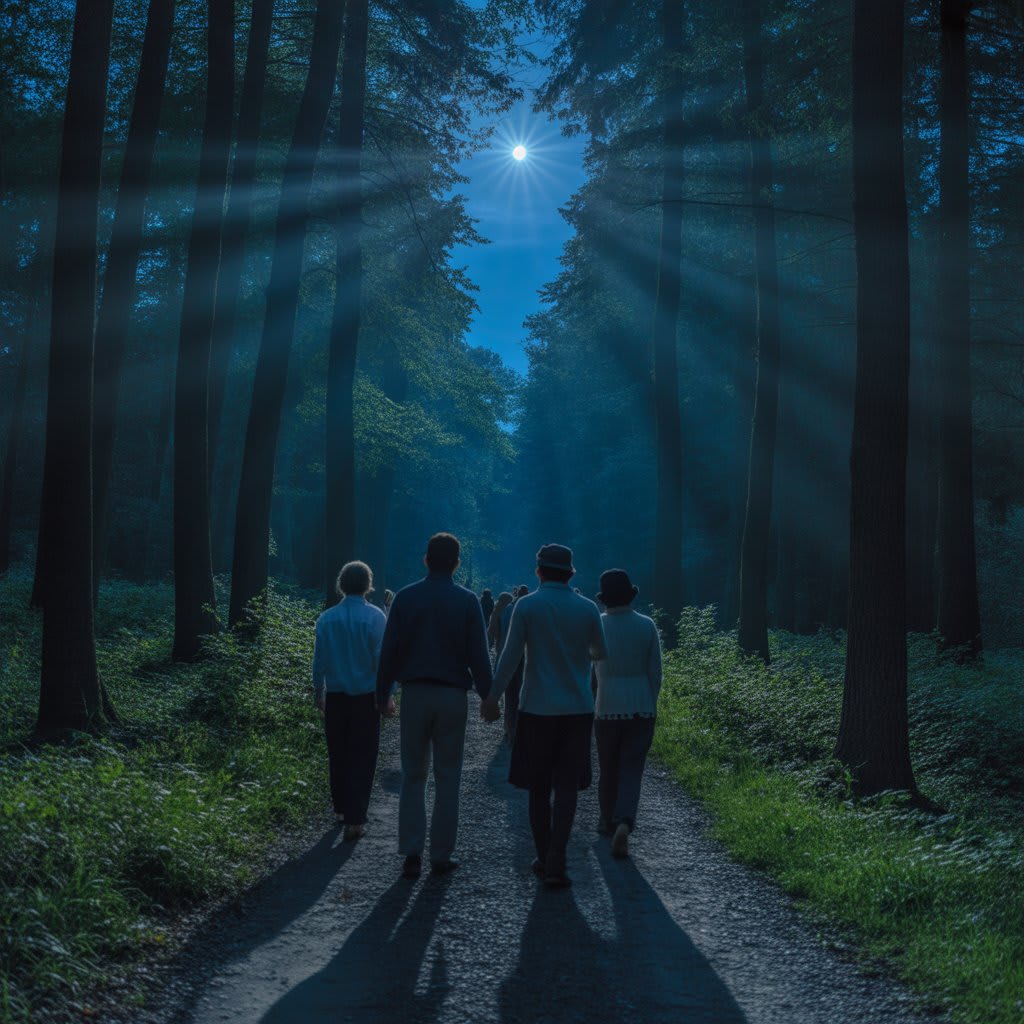
History remembers Harriet Tubman as a fearless leader who risked everything to help enslaved people escape into freedom. Her name has become synonymous with bravery, resistance, and unshakable faith. But behind her remarkable story lies a wider, hidden network of untold stories—ordinary people, secret codes, and dangerous journeys that made the Underground Railroad a lifeline to liberty.
This was not a railroad in the traditional sense, and there were no shining metal tracks or steam engines. Instead, it was an invisible web of safe houses, sympathetic allies, and pathways stretching through swamps, forests, and backroads of 19th-century America. For thousands of enslaved men, women, and children, the Underground Railroad represented hope—a chance to reclaim their stolen humanity.
Harriet Tubman: The Moses of Her People
Born Araminta Ross around 1822 in Dorchester County, Maryland, Harriet Tubman grew up in bondage. At the age of 27, she escaped north to Philadelphia. Yet her freedom was not enough. She could not rest while her family and community remained enslaved. Over the next decade, Tubman returned again and again to the South, guiding more than 70 enslaved people to freedom and advising many more.
Her work earned her the nickname “Moses,” a comparison to the biblical figure who led his people out of captivity. But Harriet’s courage did not come without risk. Slave catchers placed bounties on her head, yet she never lost a passenger on her secret road.
The Hidden Heroes of the Underground Railroad
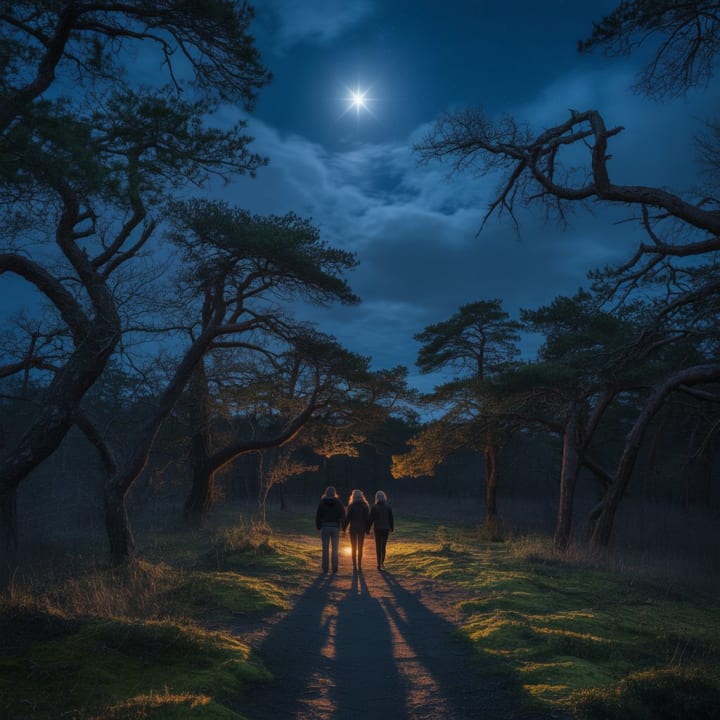
While Tubman is rightly celebrated, she was not alone. The Underground Railroad was a collective effort built on trust and sacrifice. Black and white abolitionists, free African Americans, and sympathetic Quakers all played vital roles.
Safe houses, often referred to as “stations,” provided food, shelter, and rest for weary travelers. Conductors like Tubman risked their lives to guide fugitives from one station to the next. Stationmasters opened their homes, knowing that discovery could mean imprisonment, fines, or violence.
One of the most remarkable aspects of this network was its reliance on secrecy and coded communication. Quilts hung on clotheslines displayed patterns that carried hidden messages—indicating safe routes or warning of danger. Songs sung in the fields, like Follow the Drinking Gourd, disguised directions to the North Star, a celestial guide pointing the way toward freedom.
The Courageous Journeys
The road to freedom was never easy. Runaways traveled mostly by night, moving silently through woods and swamps to avoid patrols. They carried little—often no more than the clothes on their backs. Hunger, exhaustion, and fear were constant companions.
Mothers carried infants whose cries could mean discovery. Fathers left behind families, praying to reunite one day in freedom. Every footstep was a gamble, but the hope of liberty outweighed the terror of capture.
Harriet Tubman herself carried a small revolver. Not to harm others, but as a reminder of the seriousness of the journey. If anyone grew faint-hearted and wanted to turn back, their retreat could endanger the entire group. Tubman famously told them, “You’ll be free or die.”
Beyond the Border: Canada and New Lives
While northern states offered some refuge, the passage of the Fugitive Slave Act in 1850 meant that even free states became unsafe. This law allowed enslavers to pursue fugitives into the North and required citizens to assist in their capture.
As a result, many who escaped slavery sought safety further north in Canada. Cities like St. Catharines, Ontario, became havens for freedom seekers. There, Harriet Tubman settled for a time, helping newly arrived families find homes, jobs, and schools.
For those who made it across the border, freedom was not simply the absence of chains. It meant rebuilding lives, creating communities, and ensuring future generations would never again be bought or sold.
Untold Stories That Shaped a Nation
Though Tubman’s name shines in history, countless others remain unnamed—ordinary men and women who risked their homes, reputations, and lives to keep the Railroad alive. Some were farmers who left food hidden along backroads. Some were ministers who preached fiery sermons against slavery. Some were children, passing messages too innocent-looking to arouse suspicion.
Every act of defiance, no matter how small, stitched together a fabric of resistance. The Underground Railroad was not just about physical escape—it was about reclaiming dignity, agency, and humanity.
The Legacy of the Underground Railroad
Today, Harriet Tubman and the Underground Railroad stand as enduring symbols of courage and justice. Her life teaches us that freedom is never given—it must be fought for, protected, and cherished.
Her legacy continues to inspire movements for equality around the world. From civil rights marches to modern struggles against oppression, Tubman’s footsteps remind us that even in the darkest times, ordinary people can rise to do extraordinary things.
When we honor Harriet Tubman, we also honor every unnamed soul who dared to dream of freedom and walked the secret road to liberty.
About the Creator
Echoes of Life
I’m a storyteller and lifelong learner who writes about history, human experiences, animals, and motivational lessons that spark change. Through true stories, thoughtful advice, and reflections on life.
Keep reading
More stories from Echoes of Life and writers in History and other communities.
Harriet Tubman’s Secret Road: The Underground Railroad’s Untold Stories
When we think of courage, it is easy to picture soldiers on battlefields or leaders in grand halls making decisions that shape nations. But sometimes, the greatest courage comes in the silence of the night, when one person risks everything for the freedom of others. Harriet Tubman’s story is one of those legacies—a story etched not only in history books but in the very soil of America’s struggle for freedom.
By Echoes of Life5 months ago in History
The Titanic Mystery: Secrets Beneath the Frozen Sea
On the night of April 14, 1912, the RMS Titanic sailed calmly through the dark waters of the North Atlantic, carrying more than 2,200 souls and the dreams of a modern world that believed it had conquered nature. Labeled “unsinkable,” the Titanic was the pride of human engineering. Yet before dawn broke, the great ship lay shattered beneath miles of icy ocean. More than a century later, the Titanic remains not just a tragedy—but a mystery filled with unanswered questions.
By The best writer 6 days ago in History
3 True Stories That Sound Like Urban Legends but Aren’t
Urban legends usually follow a familiar pattern. A friend of a friend hears something unbelievable, the details get hazy, and the story ends with a warning about human stupidity or bad luck. The unspoken rule is simple: if it sounds too strange to be true, it probably is.
By Enoch Sagini4 days ago in History
How to Succeed at the Benson Directory®
Congratulations and welcome to the Benson Directory® employee #22391! As our newest call handler, you will have the privilege of speaking with dozens of unique and interesting people on a daily basis as well as the opportunity to earn bonuses for high performance. Contained within this handbook you will find a set of ease to follow instructions designed to help you settle in to your new role and begin paving the way to success.
By S. A. Crawford2 days ago in Fiction



Comments
There are no comments for this story
Be the first to respond and start the conversation.