
Halloween: What It Means, Its History, and Why It's Celebrated
HALLOWEEN

Halloween: What It Means, Its History, and Why It's Celebrated
Halloween is one of the most popular and intriguing occasions that blends fear, fun, and fantasy elements. Widely celebrated in Western countries, it has also gained recognition across the globe. But what does Halloween actually mean? Is it a holiday or just a social occasion? Why are strange costumes, dark decorations, and symbols of death so prominent, and why is there an abundance of candy and treats? This article explores the history of Halloween, its origins, and the meaning behind its unique customs.
What Is Halloween?
Halloween is an annual event celebrated on October 31st, with roots dating back thousands of years. The term "Halloween" comes from "All Hallows' Eve," the night before the Christian holiday of All Saints' Day, which honors the saints. However, the traditions associated with Halloween predate Christianity, originating from ancient Celtic practices.
Halloween's earliest connections are linked to the Celtic festival "Samhain," a time marking the end of the harvest and the onset of winter. During Samhain, it was believed that the boundary between the living world and the spirit world was at its thinnest, allowing ghosts and spirits to roam the earth. This idea of supernatural encounters led to various customs meant to ward off or appease wandering spirits.
Is Halloween a Holiday or an Occasion?
While Halloween is often thought of as a holiday, it is not considered a public or religious holiday in the traditional sense. Unlike Christmas or Easter, it does not have deep religious connotations for most people today. Instead, Halloween is more of a cultural event, rich in traditions that involve costumes, decorations, and social gatherings.
Because it is not an official holiday, people usually go about their daily routines, such as work or school, and then participate in Halloween festivities in the evening. This has made it one of the most celebrated and anticipated occasions for both children and adults, who enjoy the chance to dress up and immerse themselves in the spooky spirit of the night.
The Origins of Costumes and Dark Imagery
The tradition of wearing costumes on Halloween is deeply rooted in the ancient customs of Samhain. During this time, people wore disguises to blend in with or repel spirits they believed might cause them harm. These disguises often took the form of animal skins and other macabre attire, intended to confuse or scare away malevolent spirits.
Over the centuries, this evolved into the custom of wearing costumes that represented ghosts, witches, skeletons, and other supernatural beings. The dark imagery, such as the color black and eerie symbols like skulls and tombstones, became central to the celebration. These elements symbolize the themes of death and the unknown, reflecting the historical belief in the thinning of the barrier between the living and the dead.
Why the Emphasis on Candy and Treats?
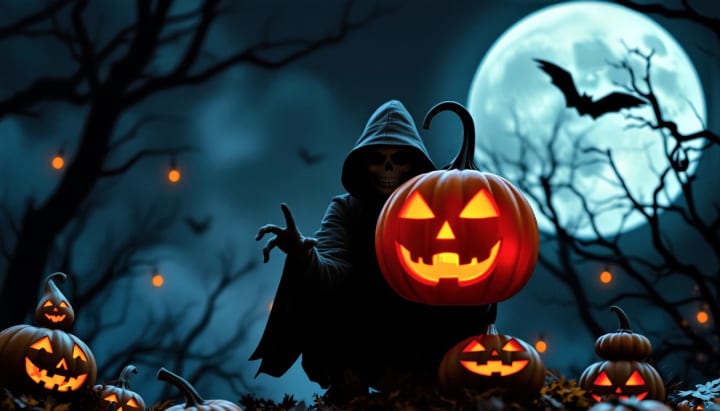
The tradition of giving out candy on Halloween is tied to the custom known as "trick-or-treating." This practice dates back to the medieval period when people would go door-to-door on All Hallows' Eve, offering prayers for the dead in exchange for food, known as "soul cakes." The modern version of this tradition began to take shape in the early 20th century, where children would dress up and ask for treats from neighbors.
Today, the phrase "trick-or-treat" refers to a playful bargain: children visit homes dressed in costumes, asking for candy with the implied promise that if they don't receive a treat, a harmless prank (or "trick") might follow. To avoid being "tricked," many households prepare by stocking up on candy and leaving it outside their doors to welcome young visitors, keeping the spirit of Halloween lively and fun.
The Role of Fear and Symbols of Death
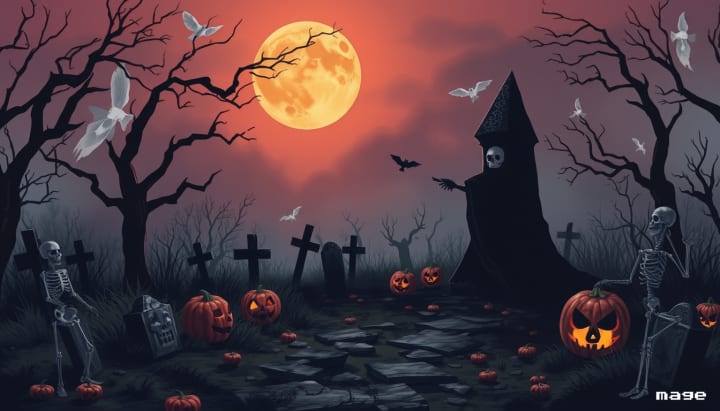
Halloween is filled with elements of fear and symbols of death, from ghostly decorations to haunting music and horror movies. This fascination with fear stems from its roots in Samhain, where people believed that the spirits of the dead would cross over into the living world. Although the fear was genuine in ancient times, today, it serves as a source of excitement and entertainment.
People enjoy experiencing a "safe" kind of fear, whether it is through horror films, haunted houses, or spooky costumes. Symbols like skulls, graveyards, and skeletons act as reminders of mortality and add an eerie atmosphere to the festivities. By confronting these frightening themes in a playful and controlled environment, Halloween allows people to explore their fears and find a thrill in the unknown.
The Contradiction of Scary Themes and Sweet Treats
One of the most unique aspects of Halloween is its blend of scary themes and the tradition of sharing sweet treats. The juxtaposition of darkness and lightheartedness is a key part of the celebration. While the decorations may be creepy and the costumes eerie, the act of giving and receiving candy adds an element of warmth and community.
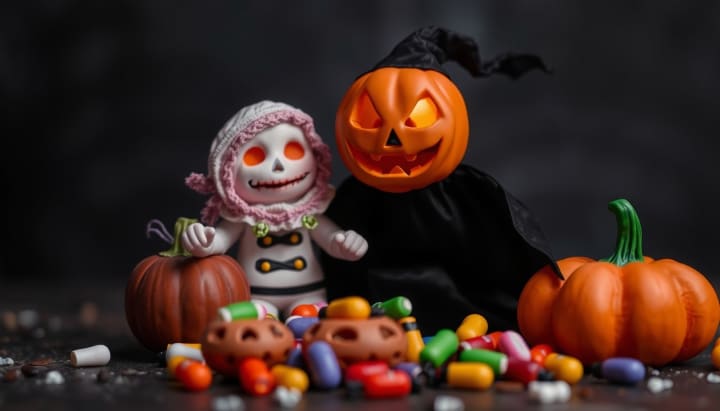
This contradiction reflects the evolution of Halloween from a festival rooted in superstition and fear to a modern-day occasion that embraces fun, creativity, and togetherness. The playful activities and abundance of treats bring a sense of joy that balances the darker, spookier side of the holiday.
Why Has Halloween Become a Global Phenomenon?
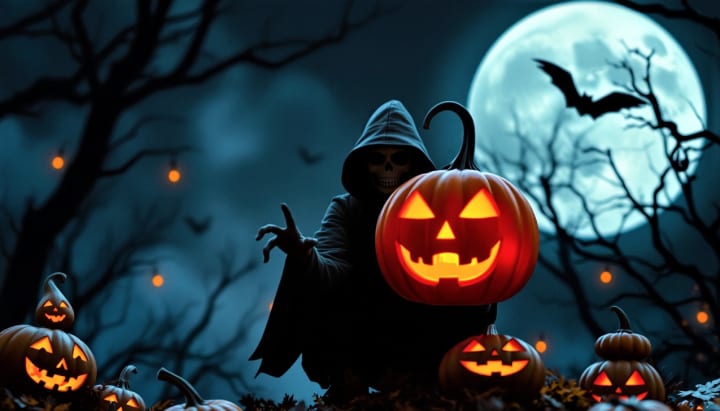
Originally, Halloween was predominantly celebrated in English-speaking countries, especially in the United States, Canada, and the United Kingdom. However, the appeal of Halloween has grown, making it a popular event worldwide. The fascination with the holiday’s themes of mystery, fantasy, and transformation has allowed it to cross cultural boundaries.
In many countries, Halloween has been adapted in various ways. For some, it is an opportunity to explore Western traditions, while for others, it is an occasion to enjoy costume parties and themed events. Commercialization has also played a role in spreading Halloween's influence, with businesses and entertainment industries capitalizing on the holiday's ability to attract attention and drive sales.
Conclusion
Halloween is much more than just a night for trick-or-treating and costume parties. It carries a rich history rooted in ancient traditions, evolving over the centuries into a globally celebrated occasion that combines the themes of life, death, and everything in between. With its blend of dark imagery and playful customs, Halloween captures the imagination, inviting people to embrace both their fears and joys.
The celebration may have started as a way to ward off spirits, but today, it offers a thrilling escape from the ordinary, allowing participants to explore the realms of fantasy, mystery, and even mortality in a festive and captivating way.
About the Creator
Ali Sadeek Ahmed
Engineer-writer,( content creator, and poet )-Blogger-Youtuber
Keep reading
More stories from Ali Sadeek Ahmed and writers in History and other communities.
THE HUNTED HOUSE
There was only one rule: do not open the door. In a quiet Alexandria neighborhood, a group of boys decided to challenge the legend surrounding a long-abandoned building. Determined to prove the tales false, they vowed to spend the night inside.
By Ali Sadeek Ahmedabout a year ago in Horror
The Forgotten Region of Greece That Maps Once Ignored
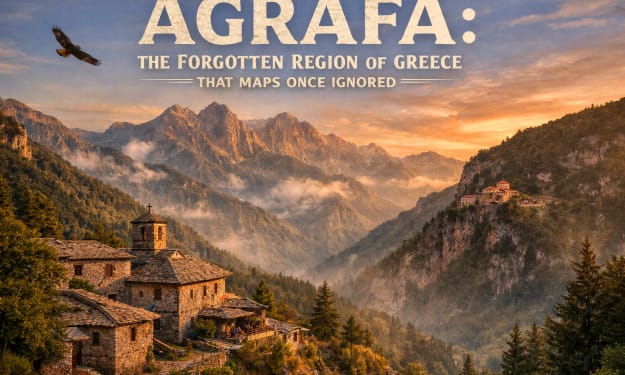
High in the rugged mountains of central Greece, there lies a mysterious and historically fascinating region known as Agrafa. For centuries, this isolated land lived up to the meaning of its own name. The word “Agrafa” in Greek literally means “unwritten” or “unrecorded.” The region earned this unusual title because it was so remote and difficult to control that even powerful empires often ignored it, and in some cases, mapmakers did not even bother to include it on their maps.
By Irshad Abbasi 3 days ago in History


Comments (2)
Liked that
thank my friends for your good comment