
Halloween
A Deep Dive into Tradition and Celebration

What is Halloween?
Halloween, celebrated every year on October 31st, is a festive occasion filled with costumes, spooky decorations, and, of course, candy. It's a time when people of all ages embrace their creativity, donning costumes that range from the whimsical to the terrifying. But Halloween is not just about dressing up and trick-or-treating; it’s a celebration rich in history, symbolism, and cultural significance.
Where Did Halloween Originate?
To truly understand Halloween, we need to delve into its origins. The holiday's roots can be traced back to the ancient Celtic festival of Samhain, which was celebrated over 2,000 years ago in what is now Ireland, the UK, and northern France. Samhain marked the end of the harvest season and the onset of winter. It was believed that on the night of October 31st, the boundary between the living and the dead became blurred. People lit bonfires and wore costumes to ward off ghosts, as they believed that the spirits of the deceased could return to cause havoc.
When Christianity spread throughout the Celtic lands, many of these ancient traditions were integrated into the new faith. By the 9th century, November 1st was designated as All Saints' Day, a time to honor saints and martyrs. The evening before became known as All Hallows' Eve, which eventually morphed into Halloween.
How is Halloween Celebrated Today?
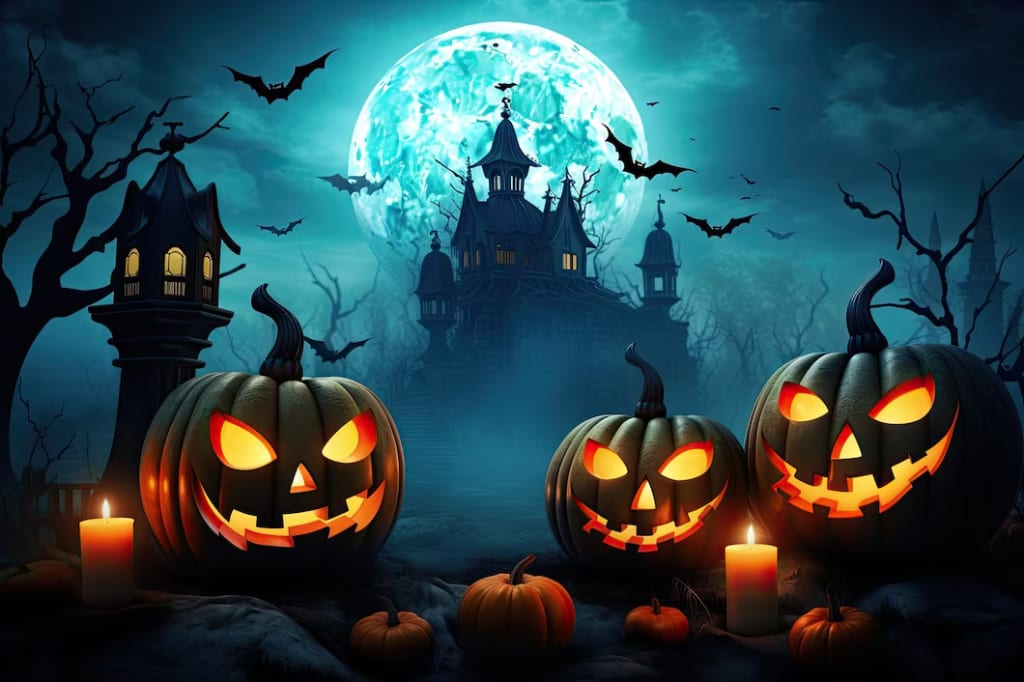
Today, Halloween is a vibrant celebration that includes a variety of customs and traditions. People prepare for weeks leading up to the big night, transforming their homes into spooky landscapes filled with cobwebs, skeletons, and jack-o'-lanterns. On Halloween night, children dress up in costumes ranging from cute animals to terrifying monsters and go door-to-door shouting, "Trick or treat!" in hopes of gathering candy and other treats.
In addition to trick-or-treating, many adults participate in Halloween parties where they can showcase their creativity with costumes, enjoy themed drinks, and partake in games like bobbing for apples. Haunted houses and ghost tours become popular attractions during this season, offering people a chance to experience fright in a safe environment.
What Are Some Popular Halloween Symbols?
Halloween is filled with iconic symbols that evoke a sense of mystery and fear. Among the most recognized is the pumpkin, especially when carved into a jack-o'-lantern. This practice stems from an Irish legend about a man named Stingy Jack, who tricked the devil and was doomed to wander the earth with only a carved turnip to light his way. When Irish immigrants came to America, they found pumpkins to be more readily available and easier to carve.
Other symbols include ghosts, witches, bats, and black cats. Ghosts represent the spirits of the dead, while witches are often associated with the fear of the unknown and the supernatural. Bats, linked to dark nights and eerie places, have become a staple in Halloween decor, and the black cat, often considered a witch's familiar, has its roots in folklore as a symbol of bad luck.
Is Halloween Only About Scaring People?
While Halloween has its spooky elements, it is not solely about fear. The holiday also celebrates creativity, community, and joy. Many people enjoy decorating their homes and engaging in fun activities that allow for self-expression. Costumes can be humorous, whimsical, or fantastical, and the emphasis is on fun rather than fright.
Moreover, Halloween fosters community bonding. Neighbors come together to celebrate, sharing treats and stories, and local businesses often join in the festivities, offering special promotions and events. It’s a time when the barriers between people dissolve, and shared laughter and camaraderie take center stage.
How Do Different Cultures Celebrate Halloween?
Halloween is celebrated differently around the world, often incorporating local customs and traditions. For example, in Mexico, the Día de los Muertos (Day of the Dead) is a vibrant celebration that honors deceased loved ones. Families create altars adorned with photos, flowers, and favorite foods of the departed, inviting their spirits to join the festivities. While Halloween focuses on fear and the supernatural, Día de los Muertos is a joyous remembrance, highlighting the celebration of life and death.
In other countries, like Ireland and Scotland, the traditions closely resemble those of early Halloween, where bonfires are lit, and communities come together to celebrate the changing seasons. In Japan, the Obon festival honors the spirits of ancestors and features lanterns and dances, showcasing a reverence for the dead that echoes Halloween’s themes of remembrance.
What Are Some Popular Halloween Activities?
Beyond trick-or-treating, Halloween offers a plethora of activities that can be enjoyed by people of all ages. Haunted houses, designed to terrify, have become a staple in many communities. These attractions range from professionally organized events to backyard setups that friends and families create. They provide an adrenaline rush and a chance to embrace fear in a controlled environment.
Another popular activity is pumpkin carving. Families often gather to carve their pumpkins, creating everything from classic jack-o'-lanterns to intricate designs. This not only fosters creativity but also allows for bonding time. Additionally, many communities host Halloween parades and festivals that feature costume contests, games, and live entertainment, further enhancing the festive atmosphere.
What Impact Does Halloween Have on Children?
For children, Halloween is a magical time filled with excitement and wonder. The anticipation of dressing up in costumes, exploring their neighborhoods for treats, and participating in school festivities makes Halloween a highlight of the year. This celebration also encourages socialization as children interact with their peers and neighbors while collecting candy.
However, it’s essential for parents to ensure safety during Halloween. Establishing ground rules about which houses to visit, how to cross streets, and the importance of staying with friends can help children enjoy their Halloween experience safely. Additionally, discussing the significance of the holiday can deepen their understanding of traditions and history.
Are There Any Controversies Surrounding Halloween?
Like many traditions, Halloween is not without its controversies. Some individuals and groups argue that the holiday promotes negative stereotypes, particularly surrounding witchcraft and the supernatural. Critics claim that the emphasis on fear and death can have adverse psychological effects on children and communities.
Moreover, discussions around cultural appropriation have arisen regarding certain costumes and practices. Many people advocate for sensitivity and respect towards the cultures and traditions that are often borrowed for Halloween celebrations. It’s vital to approach Halloween with an understanding of its roots and to celebrate in ways that honor its diverse history.
How Has Halloween Evolved Over Time?
Over the years, Halloween has evolved significantly. From its origins as a pagan festival to its current status as a commercial powerhouse, the holiday reflects broader societal changes. The commercialization of Halloween has led to the rise of a multi-billion dollar industry, encompassing costumes, decorations, and candy. Retailers often start preparing for Halloween months in advance, showcasing a variety of products to entice consumers.
Social media has also transformed how Halloween is celebrated. People share their costumes, decorations, and parties online, inspiring others and creating a global community of Halloween enthusiasts. Trends can spread rapidly, with viral costumes and creative ideas becoming the norm. This digital age has made Halloween more accessible and engaging, especially for younger generations.
What Can We Expect for the Future of Halloween?
As we look to the future, Halloween will likely continue to evolve. The integration of technology into celebrations, such as virtual reality haunted houses or augmented reality trick-or-treating, may redefine how people experience the holiday. Additionally, as society becomes more aware of inclusivity and respect, we may see a shift towards more culturally sensitive celebrations.
The enduring appeal of Halloween lies in its ability to adapt while maintaining its core themes of creativity, community, and the embrace of fear. As long as there are stories to tell and costumes to wear, Halloween will remain a beloved tradition, offering a chance for people to come together, share laughter, and perhaps even face their fears.
Conclusion
Halloween is a multifaceted celebration that intertwines history, culture, and modern entertainment. With its roots in ancient traditions and its evolution into a contemporary holiday, it continues to capture the imaginations of people worldwide. From the joyous laughter of children trick-or-treating to the thrilling scares of haunted attractions, Halloween invites everyone to participate in its rich tapestry of traditions.
As we embrace this unique celebration, it serves as a reminder of the thin line between fear and fun, allowing us to confront our anxieties while enjoying the company of others. So, as October 31st approaches, whether you’re planning a spooky costume, preparing for a haunted house, or simply indulging in sweet treats, remember that Halloween is not just a day on the calendar—it’s a celebration of life, creativity, and the age-old dance between the living and the dead.
About the Creator
Aslihan
Aspiring writer with a passion for researching diverse topics. I love sharing insights and connecting with others. Let’s embark on a journey of exploration and discover intriguing stories together
Aunt Sophie Campbell, A Smoky Mountain Legend in Appalachia
In the heart of the Great Smoky Mountains lived a woman whose legacy endured long after her passing, a woman who embodied the spirit of rugged ridges, mountain folklore, and genuine hospitality. Her name was Aunt Sophie Campbell, one of the most beloved figures in the region. Known for talent, warmth, and resilience, Aunt Sophie became a true Smoky Mountain legend.
By Tim Carmichaelabout 11 hours ago in History


Comments (1)
Halloween is Awesome! Well Done!