
The Murder of Arlıs Perry:
Unanswered Questions'Suspicions,and a justice Never Served

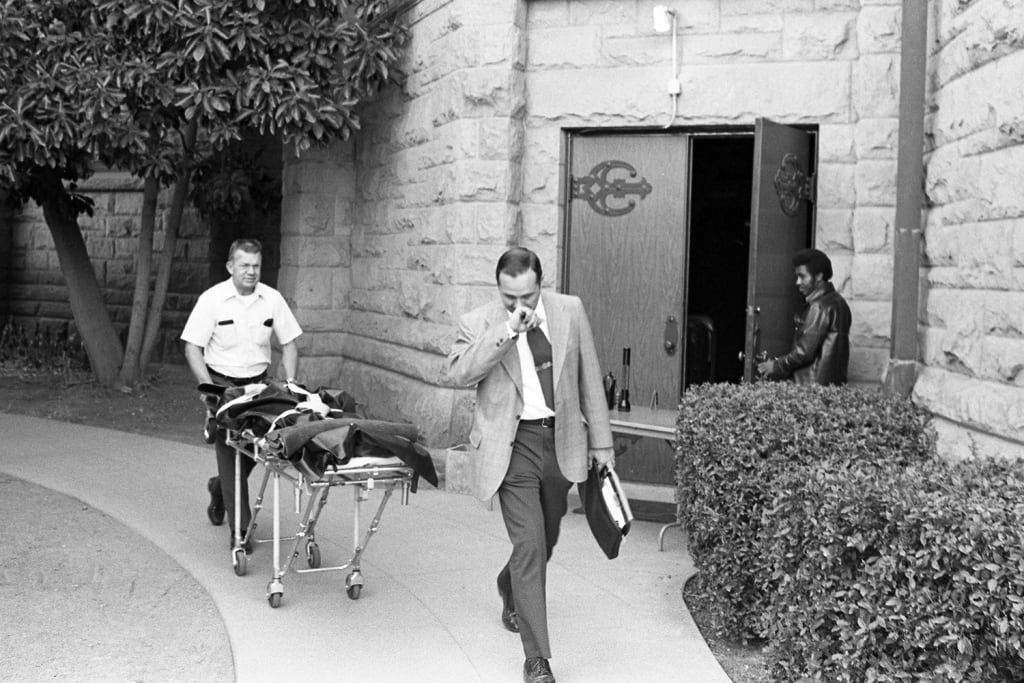
On a chilling October night in 1974, a young woman walked into a church on Stanford University’s campus to pray. Arlis Perry’s footsteps echoed for the last time on the church’s cold stone floor that night. Her life was about to end in brutal tragedy, leaving behind unanswered questions and one of America’s most disturbing unsolved mysteries. At just 19 years old, Arlis’s murder ignited years of speculation, a relentless quest for justice, and an eerie sense of closure that never quite came.
A Young Woman’s Faith and Campus Life
Arlis Perry, a devout young woman from rural North Dakota, had recently moved to California with her husband, Bruce Perry, to attend Stanford University. Bruce was enrolled in Stanford’s prestigious psychology program, and the couple was eager to embrace campus life. But Arlis’s deep religious beliefs clashed somewhat with the liberal, secular environment at Stanford, which was, at the time, a hub for political activism and individual freedoms. Yet she was determined to make her mark, attempting to live out her faith amidst a setting that often leaned in stark contrast.
Arlis’s strong faith made her a figure of intrigue. She often attempted to talk with and even evangelize students involved in occult practices on campus. It’s believed that her missionary attempts didn’t sit well with everyone, particularly a group of students rumored to dabble in the occult. Whether this tension contributed to her eventual murder remains a mystery, but her willingness to speak out about her beliefs—and her efforts to convert those around her—highlighted her dedication to her faith and her desire to make an impact.
The Night of the Murder: Darkness Inside the Church
On October 12, 1974, Arlis and Bruce took a late-night walk around the campus, but they had a small disagreement. Arlis mentioned that she wanted to go to the campus church, Memorial Church, to pray and told Bruce he could meet her at home afterward. Shortly after midnight, Arlis walked alone into the church, leaving Bruce to wait for her return. But when Bruce came home and realized she still hadn’t returned, he went back to the church, only to find it locked. Concerned, he called campus security.
The following morning, the church caretaker, Steve Crawford, opened the church and stumbled upon a terrifying scene. Arlis’s lifeless body lay near the altar in what appeared to be a ritualistic display. She was found partially clothed, with a pencil lodged in her neck, and her body posed in a way that sent chills through even the most hardened detectives. Various items were meticulously placed around her body, giving the scene an eerie, ceremonial appearance. It seemed clear: this was not a typical murder; this was staged with unsettling intention.
The Investigation: Clues, Suspects, and Dead Ends
When detectives arrived on the scene, they immediately sought evidence of sexual assault, but none was found. Arlis’s injuries and the items surrounding her body pointed to something more ritualistic. With few clues, investigators started looking into students on campus, particularly those with known interests in occult practices. Stanford’s campus had its share of such groups, and suspicions quickly arose, but solid evidence was scarce.
Bruce Perry was initially questioned as a suspect but was cleared early on. Investigators then interviewed everyone who was in or near the church that night, including the caretaker Steve Crawford, who first found Arlis’s body. Though he was questioned multiple times, Crawford was released when no evidence linked him to the crime. The circumstances of Arlis’s death left detectives baffled: the ritualistic elements didn’t align with the motives of a typical violent crime, adding layers of confusion to the investigation.
Theories of Satanism and the Occult
One prominent theory was that Arlis Perry’s murder was part of a Satanic ritual. Her history of attempting to evangelize to students with occult interests on campus led many to speculate that her murder was a revenge killing, designed to send a clear message. Rumors circulated that she had angered some students who were involved in occult practices, and this tension could have escalated. However, no concrete evidence supported these theories, and without it, they were dismissed as rumors.
In the 1970s, America’s fear of Satanism and the occult was at a peak, fueled by cases like the Manson Family murders. Arlis’s murder, with its ritualistic overtones, fit into the public’s growing fear of Satanic practices. This theory gained significant attention but, with nothing to substantiate it, quickly faded into the realm of speculation.
Dead Ends and an Unsolved Mystery
Over the years, the Arlis Perry case generated countless theories and tips, all meticulously followed by detectives. Nearly 40 years later, with advancements in DNA technology, new evidence resurfaced that brought the case back to life. DNA samples from the crime scene were reexamined, and they pointed to none other than Steve Crawford, the church caretaker who had originally found her body.
Crawford had been questioned multiple times in the initial investigation, but without DNA evidence to connect him to the crime, he was released. With new evidence in hand, detectives moved to arrest him. But when police arrived at his residence, Crawford took his own life before he could be apprehended. Though DNA evidence suggested his guilt, Crawford’s death left key questions unanswered, and any final confession he might have made died with him.
The Aftermath: A Lingering Mystery and a Haunted Legacy
Arlis Perry’s murder was not just a crime; it became a symbol of America’s paranoia around Satanism, its fascination with unsolved mysteries, and the unshakable fear that justice might never be served. The ritualistic nature of her murder, combined with her faith and missionary efforts, added layers to the tragedy that have kept the public captivated for decades.
While DNA evidence eventually pointed to a suspect, Crawford’s suicide left the Perry family and the public without the closure they so desperately sought. Arlis’s murder remains a haunting story of a young woman’s life brutally cut short and a justice that—despite technological advances and relentless detective work—never quite came.
The Arlis Perry case stands as more than an unsolved murder; it is a complex blend of mystery, societal fear, and a chilling reminder of how easily justice can slip through our grasp.
About the Creator
Aslihan
Aspiring writer with a passion for researching diverse topics. I love sharing insights and connecting with others. Let’s embark on a journey of exploration and discover intriguing stories together
Rihanna Shot at Her Beverly Hills Home...
A frightening incident recently shook the entertainment world after gunfire erupted outside the Los Angeles home of global music superstar Rihanna. What began as an ordinary Sunday evening quickly turned into a terrifying situation when shots were reportedly fired toward the singer’s residence. The shocking event has since triggered a major police investigation and raised renewed concerns about the safety of high-profile celebrities.
By Shirley Oyiadoma day ago in Criminal
Casting Stones from Crystal Walls: Tracing the 'Corrupt Crusade' Against Kiernan Major
Ever since the dubious arrest of upstate New York native Kiernan Major, an unforgiving odor has lingered among his close associates, friends and supporters—an odor that calls into question nearly everything that has lead up to and followed his incarceration. More than two years prior to his arrest, Major had founded a private intelligence and security consulting firm based in San Francisco's financial district. Stacked with ex-military and intelligence personnel. The founding members spent years methodically scanning military, academic, and intelligence networks for their shared antipathy toward the so-called "military-industrial complex."
By Charlie A. Miller6 days ago in Criminal



Comments
There are no comments for this story
Be the first to respond and start the conversation.