
Giant Ancient Egg Found in Antarctica Could Be the First From a Mosasaur
Egg found Antarctica

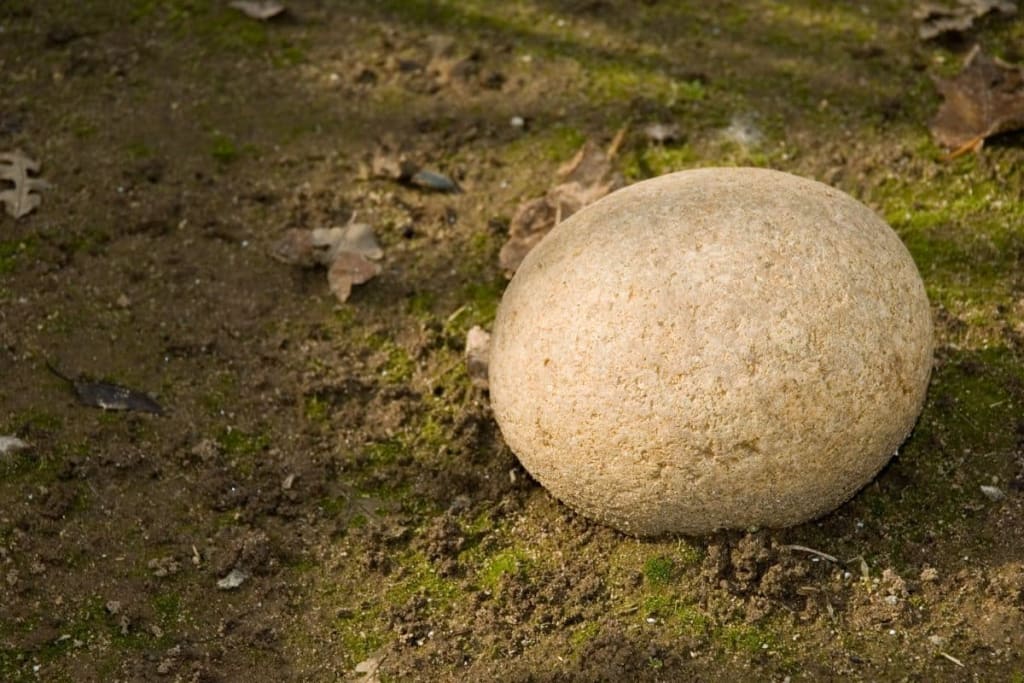
Giant Ancient Egg Found in Antarctica Could Be the First From a Mosasaur
A groundbreaking discovery in Antarctica has left scientists astonished—a massive, ancient egg that could potentially belong to a mosasaur, a prehistoric marine reptile that ruled the oceans during the Late Cretaceous period. This finding challenges long-held beliefs about how these ancient predators reproduced and opens up new questions about their life cycle, evolution, and adaptability.
Discovery of the Giant Egg
The fossilized egg, measuring approximately 11 inches (28 centimeters) in length, was found in 2011 by a team of Chilean scientists exploring Antarctica’s Seymour Island. However, it wasn’t until nearly a decade later that researchers fully examined and identified it as an egg. The structure of the egg closely resembles that of modern soft-shelled eggs, similar to those laid by some snakes and lizards, suggesting that it might have been laid by a prehistoric marine reptile rather than a dinosaur.
Nicknamed "The Thing" by scientists due to its unusual shape and composition, the egg is the largest soft-shelled egg ever discovered. It was initially thought to be an anomaly, but further analysis revealed that it shared characteristics with reptilian eggs, leading researchers to propose that it may have belonged to a mosasaur.
What Are Mosasaurs?
Mosasaurs were giant marine reptiles that dominated the oceans around 66 million years ago. They were apex predators, capable of growing over 50 feet long, with powerful jaws and sharp teeth designed to crush prey. Though they resembled modern-day monitor lizards and snakes, mosasaurs were fully aquatic and played a key role in the marine ecosystems of the Cretaceous period.
Until now, scientists believed that mosasaurs gave birth to live young, similar to modern sea snakes and whales, because no evidence of eggs had been found. This new discovery raises the possibility that at least some species of mosasaurs may have laid eggs, possibly in shallow waters or coastal environments.
The Importance of a Soft-Shelled Egg
One of the most striking aspects of the discovery is that the egg is soft-shelled, unlike the hard-shelled eggs of dinosaurs and birds. Soft-shelled eggs are more fragile and are typically laid in protected environments, such as buried in sand or under vegetation, to prevent desiccation.
The discovery of this soft-shelled egg challenges the idea that all marine reptiles gave birth to live young. It also suggests that mosasaurs might have had a reproductive strategy similar to some modern reptiles, such as sea turtles, which lay their eggs on land. If mosasaurs laid eggs, it would mean that they may have needed to come ashore to reproduce, which contradicts previous assumptions about their entirely aquatic lifestyle.
How Scientists Identified the Egg
Scientists used advanced imaging techniques and chemical analysis to study the structure and composition of the egg. The shell was compared to those of modern reptiles, and its texture and porosity closely matched that of soft-shelled eggs laid by large lizards.
The researchers also considered other possible candidates for the egg’s origin, such as dinosaurs or other marine reptiles like plesiosaurs, but the evidence pointed most strongly to mosasaurs. The size of the egg suggests that the animal that laid it was massive, further supporting the idea that it came from a large marine reptile rather than a land-dwelling dinosaur.
What This Means for Our Understanding of Mosasaurs
If this egg truly belongs to a mosasaur, it would rewrite what we know about these creatures in several ways:
1. Reproductive Strategies: Scientists previously believed mosasaurs gave birth to live young, but this discovery suggests that at least some species may have laid eggs. This would indicate greater diversity in their reproductive behaviors than previously thought.
2. Adaptation to Land: If mosasaurs laid eggs, they might have needed to come ashore, much like modern sea turtles. This would mean that even though they were highly adapted to marine life, they may have retained some ability to navigate land for short periods.
3. Evolutionary Insights: The discovery could provide new insights into the evolution of marine reptiles. If mosasaurs laid eggs, it might suggest a transition phase in their reproductive evolution, where some species moved toward live birth while others retained egg-laying.
4. Antarctica’s Prehistoric Ecosystem: The presence of a mosasaur egg in Antarctica also suggests that these reptiles may have used the region for nesting or breeding, providing valuable information about the ancient climate and ecology of the area.
What Comes Next?
The discovery of this giant ancient egg has opened the door for further research. Scientists are now looking for additional fossil evidence, such as embryos or hatchlings, to confirm the link between the egg and mosasaurs. Future excavations in Antarctica and other regions could uncover more eggs, providing a clearer picture of how these prehistoric predators reproduced.
Additionally, researchers are studying other marine reptiles to see if any of them share characteristics with mosasaurs that might support the egg-laying hypothesis. Advances in technology, including CT scans and molecular analysis, may help scientists unlock more secrets hidden within the fossilized egg.
Conclusion
The discovery of a giant ancient egg in Antarctica has sparked excitement and debate among paleontologists. If confirmed to be the first-ever mosasaur egg, it would challenge our understanding of how these ocean-dwelling predators reproduced and adapted to their environments. This finding highlights the importance of continued exploration and research in Antarctica, as it may hold more clues about the prehistoric world and its incredible creatures.
As scientists continue to analyze this remarkable fossil, we may be on the brink of uncovering new insights into the life and evolution of one of the most fearsome marine reptiles to have ever lived. Whether mosasaurs laid eggs or gave birth to live young, this discovery proves that the past still holds many mysteries waiting to be unraveled.
About the Creator
Adnan Rasheed
Author & Creator | Writing News , Science Fiction, and Worldwide Update| Digital Product Designer | Sharing life-changing strategies for success.
Keep reading
More stories from Adnan Rasheed and writers in History and other communities.
Researchers Map 7,000-Year-Old Canal System of the World’s Oldest City
Researchers Map 7,000-Year-Old Canal System of the World’s Oldest City In a groundbreaking discovery archaeologists and geologists have successfully mapped a vast and intricate irrigation canal system that once sustained the ancient city of Eridu widely considered the world's oldest city. Located in present day southern Iraq Eridu was founded around 5,400 BC and was a crucial part of early Sumerian civilization. This recent research offers unprecedented insight into how the city's inhabitants engineered and maintained a sophisticated water management system allowing them to thrive in an otherwise arid environment. While traces of these canals were previously known this is the first time that scientists have successfully tracked the entire network revealing a well preserved irrigation system that played a vital role in sustaining agriculture and urban life. This discovery provides new evidence of the ingenuity of the ancient Sumerians and how they harnessed their environment to build a civilization that influenced future societies.
By Adnan Rasheedabout a year ago in History


Comments
There are no comments for this story
Be the first to respond and start the conversation.