
"Flight 27: Lost and Found"
Trapped Between Heaven and Earth

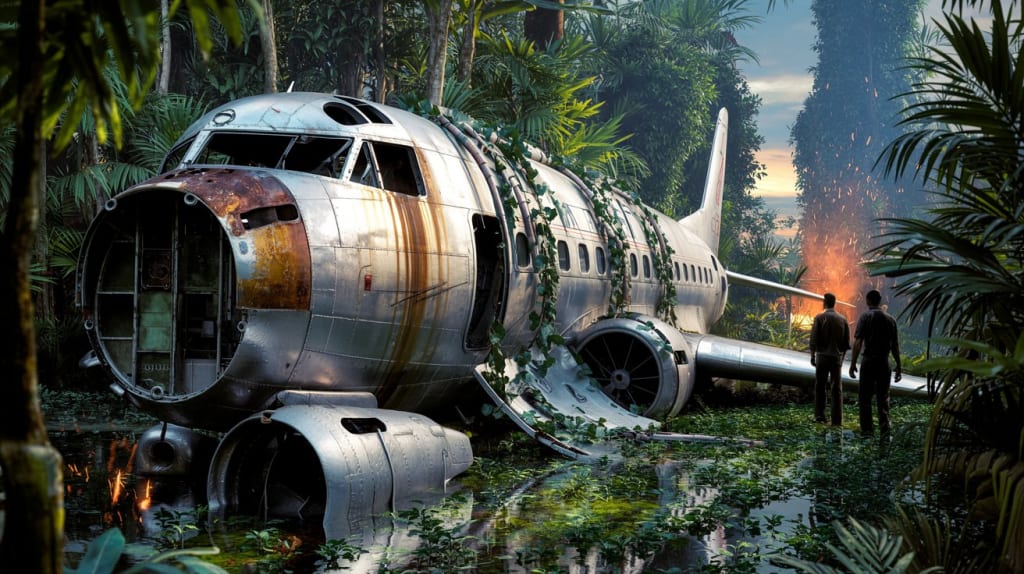
The sky had been calm when Flight 908 left New York, bound for Buenos Aires. It was the kind of flight that lulled passengers into false security—soft lighting, a smooth ascent, and quiet conversations among strangers who would never speak again. At 37,000 feet, serenity held like a delicate thread.
Then it snapped.
At 3:47 AM, a sudden jolt tore through the fuselage. The cabin lights blinked out, replaced by red emergency glows. Oxygen masks dropped like withered fruit. Screams filled the air. Some passengers held hands; others prayed. The plane began a steep, spinning descent, engines howling like dying wolves.
And then—impact.
When Elena Reyes woke up, silence was all she could hear. It wasn’t the kind of silence that followed peace. It was too heavy, too absolute. She was lying sideways, strapped into what remained of her seat, surrounded by twisted metal, scattered luggage, and—worse—bodies.
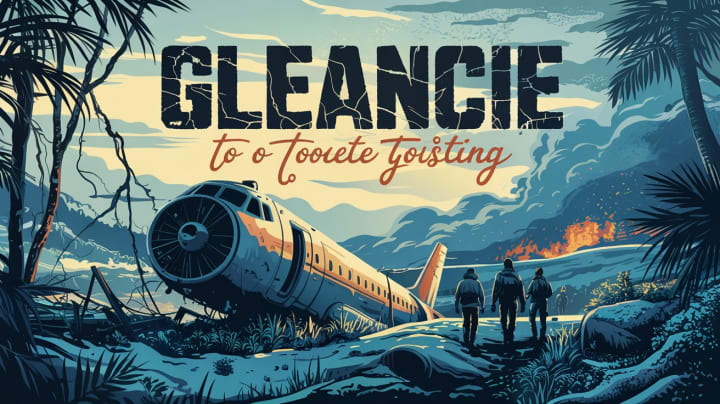
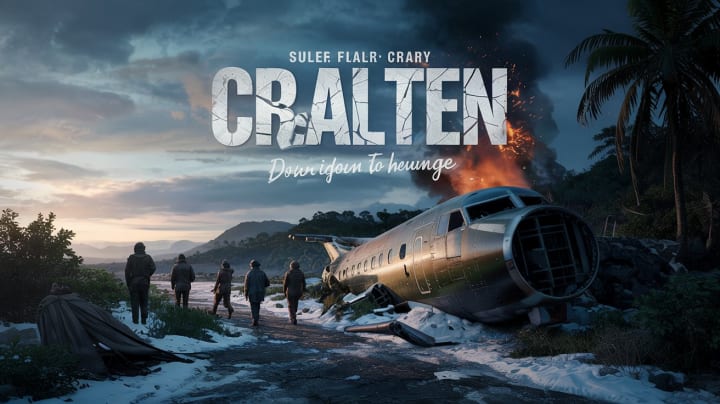
Her wrist was broken, swollen like a balloon. Blood ran down her forehead, but the cold kept her numb. She unbuckled herself with effort, crawling into the snow. The plane had crashed in what looked like a mountain pass—rugged cliffs on one side, a wall of forest on the other.
Elena had no memory of the fall. Only the aftermath.
There were six other survivors. That was all. Out of 146 passengers and crew.
Dr. Andrew Patel, a quiet surgeon who took command.
Jasmine and Leo, college students on a gap year.
Captain Greene, who had miraculously survived the cockpit collapse.
An elderly woman named Marta, who barely spoke.
And Jamal, a mechanic who had never flown before.
Each bore their own wounds—physical and invisible.
They fashioned a shelter from the torn wings, used seat cushions and clothes for warmth. The black box was damaged, and no signal was reaching out. Greene, with broken ribs, explained what might have happened: a sudden systems failure—possibly sabotage, possibly a freak storm. No one knew for sure.
Three days passed.
Supplies dwindled. Temperatures dropped below freezing at night. Marta died in her sleep, quietly, like a whisper. They wrapped her in a thermal blanket and buried her beneath stones.
Elena found herself staring at the wreckage often—searching for answers in the twisted metal, in the way the seats still faced forward, like they had somewhere to go.
Day six.
Jasmine broke down, screaming at the mountains, her voice echoing back like mockery. Andrew tried to calm her, but he looked tired too—thinner, older. Jamal had taken to walking the perimeter each morning, always looking up, always listening.
That evening, they heard something.
A low hum. A distant vibration.
A plane.
They lit fires, waved jackets, screamed. But it passed overhead, oblivious. The flare gun in the cockpit was destroyed. Hope flickered, then died.
Day nine.
Leo went missing. They found him at the edge of a cliff, footprints disappearing into the void. A note in his jacket pocket: “Tell my parents I’m sorry.”
It broke something in them.
Elena, who had barely spoken since the crash, finally did. “We have to leave,” she said.
Captain Greene tried to argue, but he couldn’t stand anymore. Andrew nodded slowly. “If we stay, we die.”
So they packed what they could—water bottles, protein bars, a crude map drawn from a flight manual. Jamal led the way, with Elena and Jasmine close behind. Andrew stayed with Greene, too injured to walk. They promised to return.
The mountains were cruel. Sharp ridges, wind like razors, and nights that froze tears to faces. But they walked. And walked.
On the third day of the trek, they found a stream. And next to it—boot prints. Human. Recent.
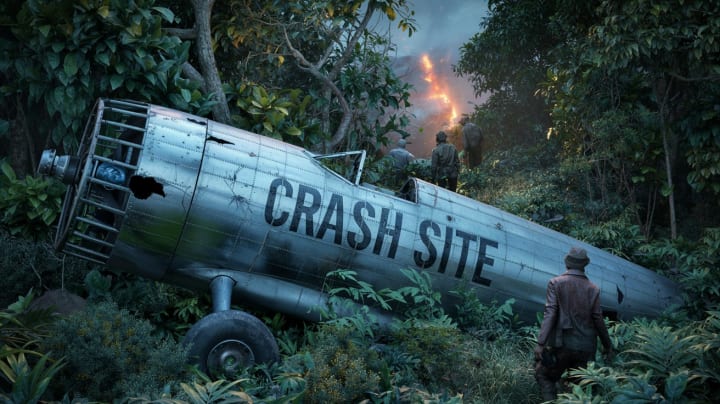
Jamal whooped so loud Elena thought the avalanche might start.
Hours later, a group of hikers found them—weak, frostbitten, sunburned, but alive.
Helicopters arrived the next morning. Elena watched as Greene and Andrew were lifted out, wrapped in blankets, eyes glassy with disbelief.
They were safe.
Six months later, Elena stood at the crash memorial, a granite wing etched with 139 names. She left flowers by Marta’s name. The media called it a miracle. Survivors were interviewed, praised, pitied.
But Elena knew something else.
They hadn’t just survived the crash.
They had survived the silence, the loss, the choices that carved permanent scars into their minds. They had endured hunger, despair, and the sound of nothingness pressing down like a weight.
“Echoes in the wreckage,” she whispered. “They never really leave.”
And perhaps that was true.
Some echoes stay with you—
Not to haunt,
But to remind you that you were there.
And you survived.
About the Creator
Keep reading
More stories from Hamdan Khan and writers in History and other communities.
"Final Descent"
The sky was a calm ocean of stars when Flight 327 left Vancouver International Airport, bound for Tokyo. Aboard were 212 souls — tourists, business travelers, families, and one man who hadn’t boarded a commercial flight in over a decade: Captain Elijah Roarke.
By Hamdan Khan10 months ago in History
Dracula: The Real Man Behind the Legend and His War Against the Ottoman Empire
When most people hear the name Dracula, they imagine a mysterious vampire who drinks human blood and lives in a dark castle. This terrifying character became famous through Bram Stoker’s 1897 novel Dracula. However, the fictional vampire was actually inspired by a real historical figure: Vlad III of Wallachia, better known as Vlad the Impaler. His life was filled with war, brutality, and political struggle, especially against the powerful Ottoman Empire.
By Irshad Abbasi 5 days ago in History
Why Didn't Anyone Tell Us
Men, move along. This is not for you. This is for the women. I was forty-five when I began menopause. It is pretty young for that to be going on in a woman’s life, but I had undiagnosed PCOS, my entire life. Thank you to all the gynecologists I had seen my entire life. That in itself should encourage women to keep seeking second opinions, especially when you are not getting correct answers or any at all.
By Alexandra Granta day ago in Humans


Comments
There are no comments for this story
Be the first to respond and start the conversation.