
KONG'S REIGN: UNVEILING THE ENDURING LEGACY OF 'KING KONG' (1933)
It wasn't the airplanes. It was Beauty killed the Beast.

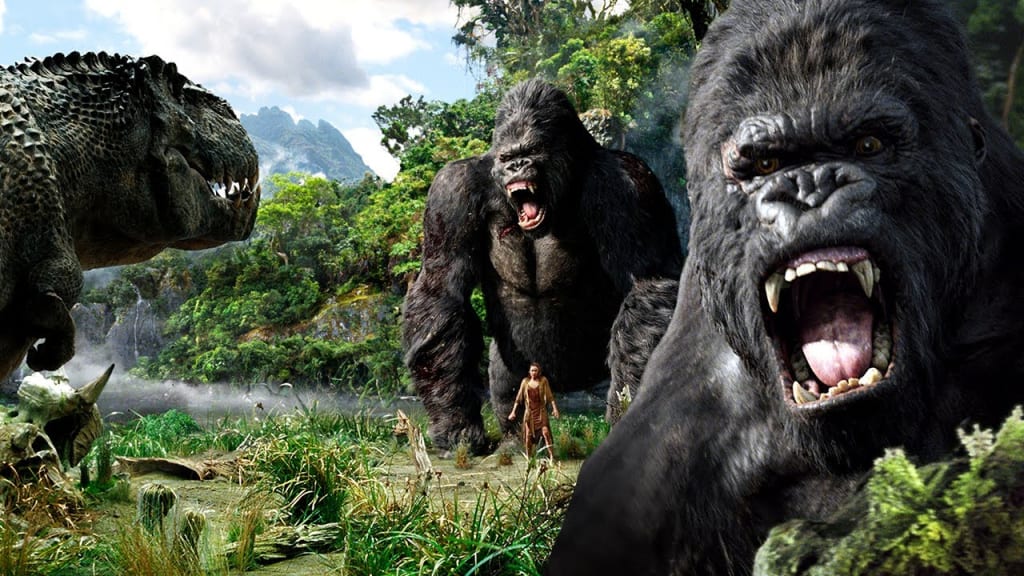
This poignant line, delivered with haunting gravitas at the close of the 1933 masterpiece 'King Kong,' encapsulates the tragic heart of a film that continues to resonate with audiences nearly a century later. More than just a monster movie, 'King Kong' is a cinematic landmark, a pioneering achievement in visual effects, and a potent allegory exploring themes of man versus nature, exploitation, and the destructive power of infatuation. Released during the depths of the Great Depression, the film offered escapism on a grand scale, transporting viewers to a fantastical world of unexplored islands and colossal creatures. This article delves into the fascinating history and enduring appeal of 'King Kong,' examining its creation, impact, and lasting legacy.
Plot:
The narrative of 'King Kong' is a classic adventure tale, brimming with danger, spectacle, and an underlying current of melancholy. It begins with Carl Denham (Robert Armstrong), a flamboyant and ambitious filmmaker desperate to create his next big picture. He charters a tramp steamer, the Venture, and hires a down-on-her-luck actress, Ann Darrow (Fay Wray), after spotting her stealing an apple. Denham keeps the destination a secret from his crew, revealing only that they are headed to a mysterious, uncharted island.
Upon arrival at Skull Island, a forbidding and primordial land, the crew encounters a native population who worship Kong, a colossal ape god. The natives, mesmerized by Ann's blonde beauty, kidnap her and offer her as a sacrifice to Kong. The monstrous ape, initially terrifying, is instantly captivated by Ann. This dynamic, a powerful image of beauty taming the beast, becomes the emotional core of the film.
Denham and his crew, led by first mate Jack Driscoll (Bruce Cabot), embark on a daring rescue mission, battling prehistoric creatures and treacherous landscapes. They eventually manage to rescue Ann, but Denham, seeing Kong as a means to fame and fortune, decides to capture him. He uses gas bombs to subdue the giant ape and transport him back to New York City.
In New York, Kong is paraded on stage as "The Eighth Wonder of the World." However, the flashbulbs and the suffocating atmosphere of the theater agitate him. When he sees Ann, he breaks free, wreaking havoc on the city in a desperate search for her. The climax unfolds atop the Empire State Building, where Kong, bombarded by airplanes, succumbs to their relentless attacks. His dying words, as spoken by Denham, underscore the film's tragic core: "It wasn't the airplanes. It was Beauty killed the Beast." The narrative masterfully blends adventure and romance, delivering a potent and ultimately heart-wrenching spectacle.
Cast:
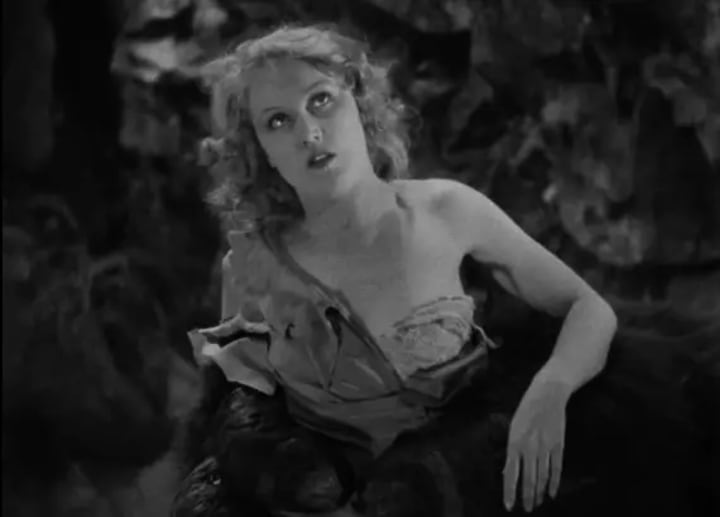
The cast of 'King Kong' perfectly embodied the spirit of adventure and melodrama that the film demanded. Robert Armstrong as Carl Denham, the intrepid filmmaker, provides the driving force of the plot. Armstrong's portrayal is energetic and charismatic, capturing Denham's relentless ambition and ultimate regret. Fay Wray, as Ann Darrow, is the quintessential damsel in distress, her scream becoming iconic. Wray's vulnerability and inherent grace made her the perfect counterpoint to Kong's raw power. Bruce Cabot, as Jack Driscoll, the rugged first mate, offers a more grounded and heroic presence, providing the romantic subplot that anchors Ann to the human world. However, the true star, despite not being human, is King Kong himself, brought to life through the groundbreaking stop-motion animation of Willis O'Brien. Kong's expressive eyes and nuanced movements imbued the creature with a surprising degree of pathos and emotion, making him far more than just a monster.
Reviews:
Upon its release, 'King Kong' was met with both critical acclaim and commercial success. Critics lauded the film's groundbreaking special effects, its thrilling action sequences, and its emotionally resonant storyline. The New York Times praised the film's "stunning and imaginative" visuals, while Variety hailed it as a "thrilling and spectacular entertainment." Some critics, however, noted the film's melodramatic elements and questioned the scientific accuracy of the island's inhabitants. Audiences, on the other hand, were captivated by the film's sheer spectacle and emotional depth. 'King Kong' quickly became a box office sensation, solidifying its place in cinematic history. Modern reviews continue to celebrate the film's pioneering achievements and its enduring power, acknowledging its status as a true classic.
Production:
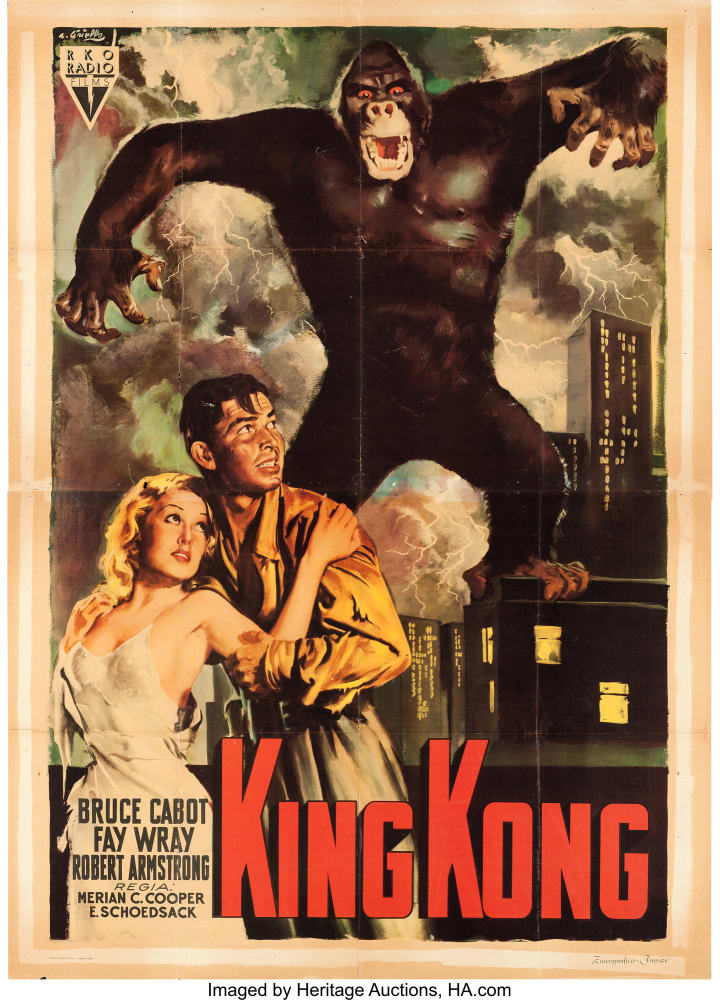
The production of 'King Kong' was a monumental undertaking, fraught with challenges and innovative solutions. Conceived by Merian C. Cooper and Ernest B. Schoedsack, the film was initially envisioned as a documentary about wild animals. However, the duo's ambition soon transformed the project into a fantastical adventure film featuring a giant ape. The budget was substantial for the time, reaching approximately $672,000. RKO Pictures, the studio behind the film, initially hesitated due to the risky nature of the project, but Cooper and Schoedsack's relentless enthusiasm and belief in the film's potential ultimately convinced them to greenlight it.
Writing and Casting:
The screenplay for 'King Kong' went through several iterations, with James Ashmore Creelman and Ruth Rose ultimately credited as the writers. The story was heavily influenced by "Beauty and the Beast" and the tales of exploration and adventure that were popular at the time. Casting was a crucial element, with Cooper and Schoedsack searching for actors who could embody the larger-than-life characters they had created. Fay Wray was chosen for her ability to convey both vulnerability and strength, while Robert Armstrong was selected for his commanding presence and ability to project a sense of adventure. The casting process also involved numerous tests and screen trials to ensure the actors could effectively interact with the special effects.
Principal Photography:
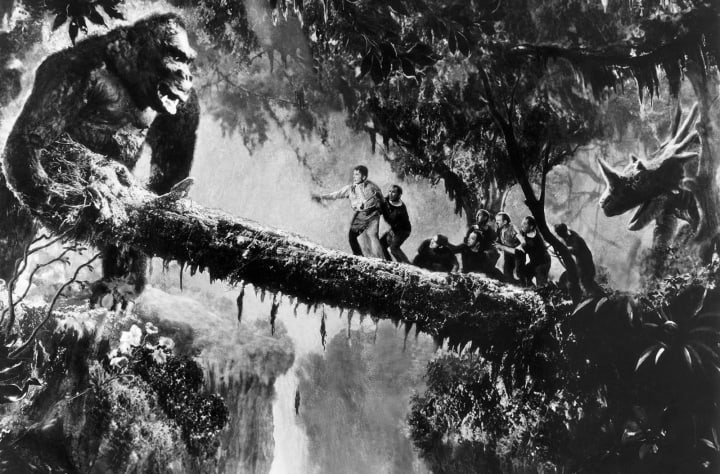
Filming 'King Kong' was a complex and demanding process, requiring a combination of live-action sequences and stop-motion animation. The live-action scenes were shot on various locations, including studios in Hollywood and on location at San Pedro, California, standing in for the waterfront scenes. The Skull Island sequences were filmed on elaborate sets built at the RKO studio lot. The production faced numerous challenges, including the technical difficulties of integrating the live-action footage with the stop-motion animation and the sheer scale of the sets. One humorous anecdote from the shoot involves the actors struggling to react believably to the animated Kong, often having to rely on Cooper and Schoedsack to shout instructions and make ape noises off-screen.
Production Design:
The production design of 'King Kong' was crucial to creating the film's fantastical world. The sets for Skull Island were incredibly detailed and immersive, featuring lush vegetation, towering cliffs, and a menacing native village. The costumes were designed to reflect the exotic and primitive nature of the island's inhabitants, while also highlighting Ann Darrow's vulnerability. The visual aesthetics of the film were heavily influenced by the art deco style that was popular at the time, lending a sense of glamour and sophistication to the New York City sequences.
Sound Design & Music:
The sound design and music of 'King Kong' were equally groundbreaking. The film's sound effects, created by Murray Spivak, were incredibly realistic and impactful, bringing the prehistoric creatures and Kong's roars to life. The musical score, composed by Max Steiner, was a powerful and emotional accompaniment to the film's visuals. Steiner's score was one of the first original film scores to be recorded before shooting, allowing the filmmakers to time the special effects to the music, a revolutionary technique for the time. The music perfectly captured the film's blend of adventure, romance, and tragedy, contributing significantly to its overall impact.
Visual Effects:
The visual effects in 'King Kong,' primarily the work of Willis O'Brien, were revolutionary for their time. O'Brien utilized stop-motion animation to bring Kong and the other prehistoric creatures to life, creating a level of realism that had never been seen before. The process involved painstakingly moving small models of the creatures frame by frame, creating the illusion of movement. O'Brien also employed techniques such as matte paintings and miniatures to create the film's elaborate sets and landscapes. The visual effects in 'King Kong' were not only technically impressive but also incredibly imaginative, helping to transport audiences to a world of fantasy and adventure.
Influences:
'King Kong' drew inspiration from a variety of sources, including "Beauty and the Beast," Jules Verne's adventure novels, and tales of exotic exploration. The film also reflected the anxieties of the Great Depression, offering audiences a form of escapism while also exploring themes of economic exploitation and the clash between civilization and the natural world.
Scientific Knowledge :
While 'King Kong' is primarily a work of fantasy, it does incorporate elements of scientific speculation. The film's portrayal of Skull Island as a prehistoric ecosystem, populated by dinosaurs and other extinct creatures, reflects the scientific curiosity of the time. However, the film takes considerable liberties with scientific accuracy, prioritizing spectacle and entertainment over realism. The existence of a giant ape like Kong, of course, is purely within the realm of fantasy.
Marketing, Release & Box Office:
RKO Pictures launched an aggressive marketing campaign to promote 'King Kong,' emphasizing the film's groundbreaking special effects and its thrilling adventure storyline. The campaign included posters, trailers, and radio advertisements, all designed to generate excitement and anticipation. 'King Kong' was released in New York City on March 2, 1933, and quickly became a box office sensation. The film grossed over $2 million during its initial release, making it one of the biggest hits of the year. Its success was instrumental in helping RKO overcome financial difficulties during the Great Depression.
Critical Responses:
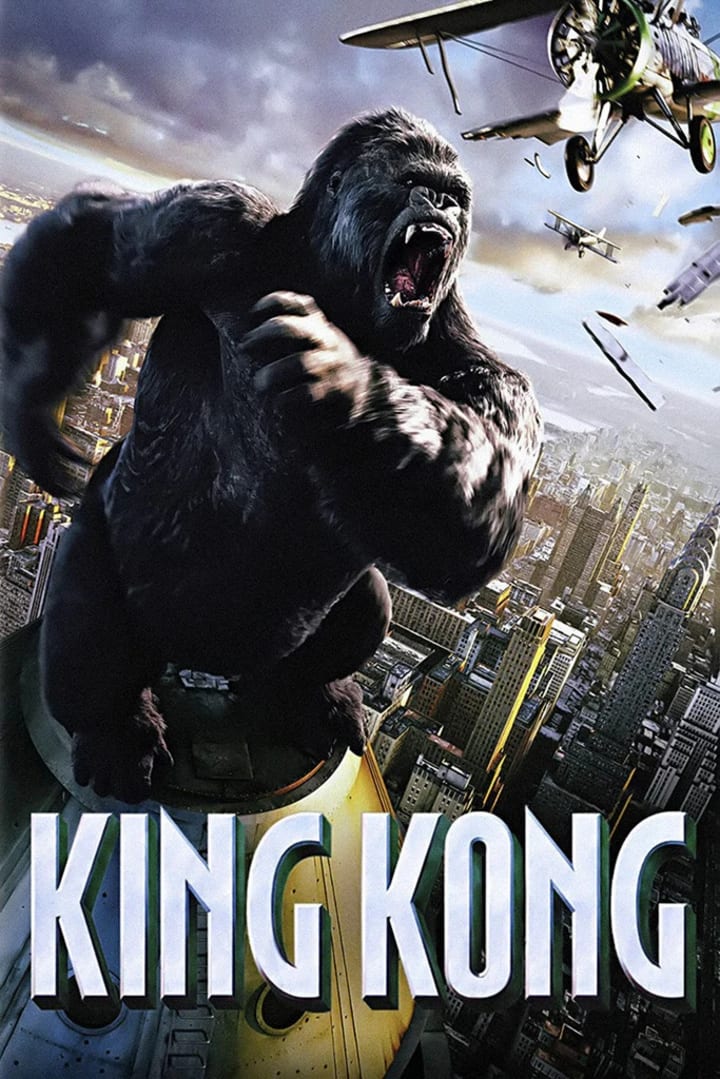
'King Kong' was met with widespread critical acclaim and audience enthusiasm. The film was praised for its groundbreaking special effects, its thrilling action sequences, and its emotionally resonant storyline. While some critics noted the film's melodramatic elements and questioned its scientific accuracy, the overall response was overwhelmingly positive. 'King Kong' has since been recognized as a landmark achievement in cinematic history, influencing countless films and inspiring generations of filmmakers and artists. Its blend of spectacle, adventure, and emotion continues to captivate audiences, solidifying its status as a true classic. The tragic tale of Kong, the misunderstood giant, remains a powerful and enduring symbol of the clash between humanity and nature, a testament to the enduring power of cinema to transport us to worlds beyond our imagination.
About the Creator
Xavier
Global news reporter covering science, tech, environment, Entertainment & sports. Delivering balanced insights to inform and inspire readers worldwide. Sometimes a poet.
Silver Screen Magic with Mae West
American actress and singer Mae West became a popular film actress during the Great Depression. She started entertaining in vaudeville, then performed on Broadway, and finally went to Hollywood. She signed up with Paramount Pictures and made her debut in the 1932 film “Night After Night.” She also starred in musicals, comedies, and crime dramas. The American Film Institute named her one of the best classic Hollywood actresses.
By Rasma Raisters6 days ago in Geeks
5 Years Of 'WandaVision': Revisiting The Series Most Memorable Moments
It's hard to believe that it's already been five years since WandaVision, Marvel Studios' very first TV series, premiered on Disney Plus. A hit with both fans and critics, WandaVision was praised during it's run for expertly juggling so many elements, being both a love letter to classic sitcoms and a bittersweet exploration of grief before exploding into the usual MCU spectacle. The series is still widely considered among the best content Marvel Studios has produced, not just for television, but overall.
By Kristy Andersonabout 10 hours ago in Geeks



Comments
There are no comments for this story
Be the first to respond and start the conversation.