social media
Social Media targeted at influencers and trending topics in the geek universe.
Reasons to Use Node.js in Your Next Web Project
The digital landscape is shifting rapidly, often leaving developers and business owners in a maze of complex frameworks. Deciding on a backend tool is no longer just a technical choice; it is a strategic one. Among the sea of options, Node.js has consistently proven its worth, empowering giants like Netflix and PayPal to build fast, scalable applications.
By Muhammad Owaisa day ago in Geeks
How to Choose the Right AI Tool for Your Work?
In early 2024, a mid-sized consulting firm invested in three separate AI platforms within six months. One promised automated research summaries. Another claimed predictive analytics for client outcomes. A third marketed itself as a productivity assistant for internal teams.
By Mike Pichai2 days ago in Geeks
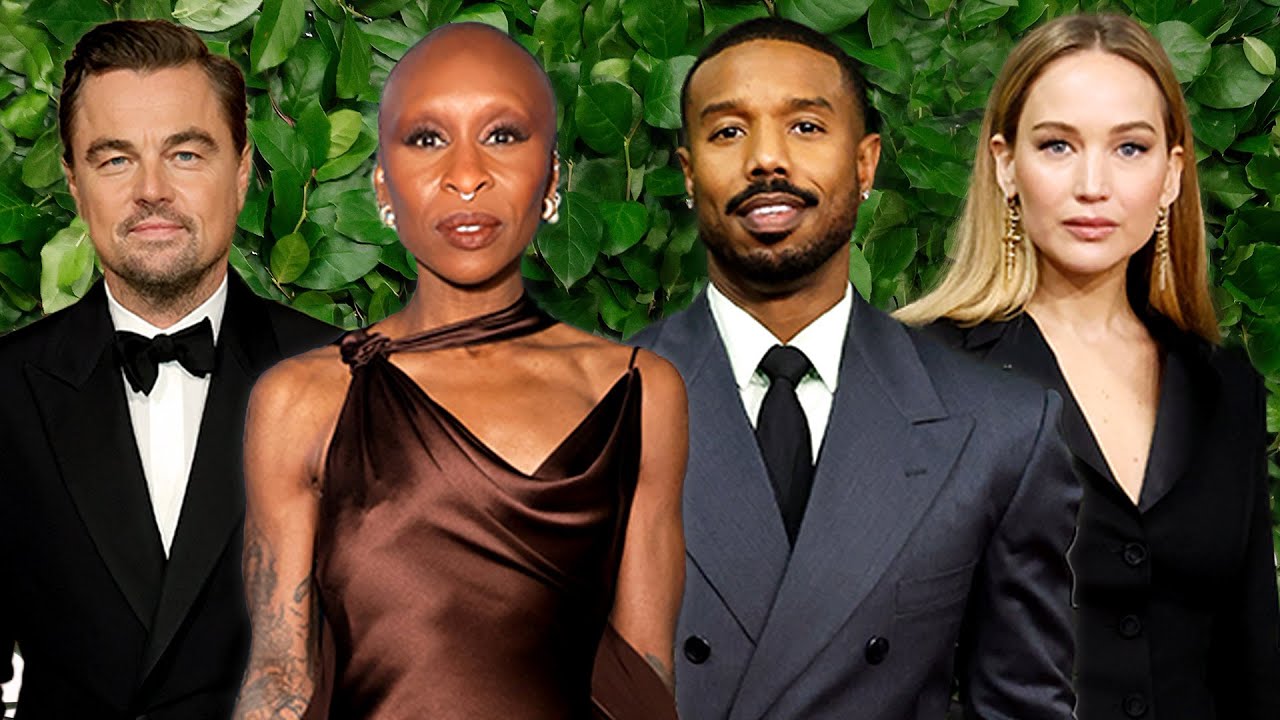
Fantasy Cast for The Traitors: All-Stars
The Traitors is currently airing its fourth season on Peacock, and this show is still the best show on TV. There are a lot of rumors that the next season will be an "All-Stars" season, as calls have been going out. If so, here is who I think Peacock should cast.
By Dylan Deckard3 days ago in Geeks
Amy Rose was the first Time-Travel Hedgehog
When you think of time travel in the Sonic the Hedgehog lore, who is the first that pops into your head? I thought it was Silver the Hedgehog, just like several other people. But guess what? Amy Rose did take part in time travel, and so did Metal Sonic.
By stephanie borges7 days ago in Geeks
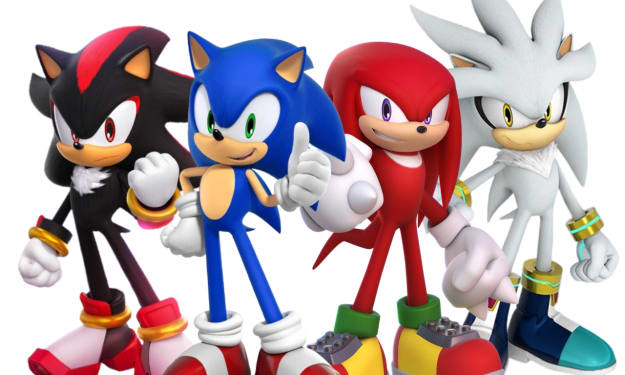
Which Sonic Character has the saddest backstory?
I recently watched a video by YouTuber Tyrecordslol discussing how many fans believe Shadow the Hedgehog has the saddest backstory in the Sonic franchise. While I understand why Shadow’s story resonates with so many, I actually think there are two characters who could rival him: Knuckles and Silver the Hedgehog.
By stephanie borges8 days ago in Geeks
From Variants to Legacy
This idea didn’t come from a panel, a publisher, or a Comic-Con keynote. It came from a comment section. After I published my article about how comic shops don’t need more collectors but more readers, I came across a comment that quietly reframed the entire conversation. The commenter pointed out something that, in hindsight, feels almost obvious: libraries are often the genuine point of entry for new comic readers, not comic shops.
By Jenna Deedy8 days ago in Geeks
rhode island shooting. AI-Generated.
On February 16, 2026, a somber chapter unfolded in Pawtucket, Rhode Island, when a shooting in Rhode Island erupted during a high school hockey game at the Dennis M. Lynch Arena — an ice rink known for community sports and local hockey culture. What began as a routine afternoon at a youth match turned into a devastating act of violence that has reverberated across the small New England city and beyond.
By Saboor Brohi 8 days ago in Geeks
tyra banks. AI-Generated.
Few figures in modern fashion and television have left a mark as lasting as Tyra Banks. Model, producer, entrepreneur, and cultural commentator, she has navigated multiple industries with a mix of ambition and reinvention. From breaking barriers on international runways to creating one of reality television’s most talked-about franchises, Banks has built a legacy that continues to evolve—especially as conversations resurface through projects like an ANTM documentary and renewed interest in the cultural impact of her work. Early Career and Modeling Breakthrough Before she became a household name, Tyra Banks was a teenage model in Los Angeles determined to challenge industry norms. In the early 1990s, she rose quickly in Paris and Milan, booking an impressive number of runway shows during her first European fashion season. She later became one of the few Black models to secure major contracts with brands such as Victoria’s Secret and Sports Illustrated. Her success was not only personal—it was symbolic. At a time when representation in high fashion was limited, Banks’ visibility signaled change. She spoke openly about body image, colorism, and the pressures young women face in the modeling world. That willingness to discuss difficult topics would later define her television career. The Birth of America’s Next Top Model In 2003, Banks launched America's Next Top Model, widely known as ANTM. The show aimed to discover aspiring models while offering viewers a behind-the-scenes look at fashion photography, runway training, and branding. As creator, host, and executive producer, Banks shaped the tone and direction of the series. Unlike traditional modeling competitions, ANTM blended fashion education with reality-TV drama. Weekly challenges ranged from runway walks to elaborate photo shoots designed to test adaptability. Banks introduced catchphrases, signature critiques, and elimination ceremonies that became part of pop culture. One of the show’s defining elements was its panel of judges. Among them was fashion photographer Nigel Barker, whose calm, professional critiques balanced Banks’ theatrical hosting style. Together with other rotating judges, the panel evaluated contestants not only on beauty but also on marketability and growth. Over more than twenty cycles, ANTM became a global brand, inspiring international adaptations and launching several modeling careers. It also sparked debates about how reality television portrays competition, mentorship, and self-esteem. Cultural Influence and Criticism As America’s Next Top Model gained popularity, it also attracted scrutiny. Critics questioned certain challenges and editing choices, arguing that some moments crossed ethical lines. In later years, clips resurfaced online, prompting fresh discussion about reality television standards in the early 2000s. This renewed conversation has fueled interest in projects described as an America’s Next Top Model documentary or Americas Next Top Model doc. Although there is no official, comprehensive ANTM documentary endorsed by Banks, retrospective discussions—through interviews, podcasts, and unofficial specials—have explored how the show shaped and reflected its era. The idea of an ANTM documentary appeals to fans and critics alike. For supporters, it would highlight the show’s role in diversifying fashion conversations and giving young women a platform. For skeptics, it could offer space for accountability and reflection. In many ways, the ongoing demand for an America’s Next Top Model documentary shows how deeply embedded the series remains in pop culture memory. Reinvention Beyond ANTM While ANTM defined much of her television career, Tyra Banks refused to be confined to one identity. She launched The Tyra Banks Show, a daytime talk show that earned two Daytime Emmy Awards. The program addressed topics ranging from beauty standards to personal transformation, reinforcing her interest in empowerment narratives. Banks also ventured into academia, teaching personal branding at Stanford University for a period and pursuing executive education at Harvard Business School. Her entrepreneurial interests expanded into cosmetics and entertainment production, reflecting her broader vision of “modelland”—a concept blending fantasy, fashion, and storytelling. Her willingness to pivot demonstrates a key aspect of her public persona: resilience. When cycles of ANTM ended and later rebooted, Banks adapted. She stepped away at times, returned as host, and remained closely associated with the franchise’s identity. The Legacy of ANTM in the Streaming Era In the age of streaming, many younger viewers have discovered ANTM for the first time. Episodes circulate on social platforms, prompting re-evaluation of moments that once seemed routine on reality TV. This digital afterlife has intensified calls for an America’s Next Top Model documentary that would contextualize the show within its historical moment. The broader reality-TV landscape has also changed. Contemporary competition shows often emphasize mental health resources and sensitivity training—standards shaped partly by lessons learned from earlier programs like ANTM. Whether celebrated or critiqued, the show undeniably influenced how fashion competitions are structured. Nigel Barker has, in various interviews, reflected on the educational intention behind the series, noting that it aimed to simulate real industry pressures. Those reflections contribute to ongoing dialogue about the balance between authenticity and entertainment. Representation and Industry Impact Tyra Banks’ influence extends beyond television formats. She consistently advocated for broader definitions of beauty. Long before “body positivity” became a mainstream term, she challenged narrow expectations in modeling. She spoke candidly about weight fluctuations and criticized tabloids for shaming women’s bodies. By placing contestants of diverse backgrounds on national television, ANTM introduced audiences to different expressions of femininity and identity. While the execution was not without flaws, the intent to widen representation marked an important shift in early-2000s media. An ANTM documentary—should one fully materialize—would likely explore this dual legacy: empowerment alongside controversy. That complexity mirrors Banks herself. She is both architect of a groundbreaking series and participant in a television culture that often prioritized drama over nuance. Looking Forward Today, Tyra Banks remains a recognizable figure in entertainment and business. Discussions about an Americas Next Top Model doc continue to surface in fan communities, underscoring the enduring fascination with the franchise. Whether through an official America’s Next Top Model documentary or through ongoing public conversations, the story of ANTM is still being written. Ultimately, Tyra Banks’ career illustrates how media figures evolve alongside the industries they help shape. From supermodel to television mogul, from mentor to subject of retrospective critique, she has occupied many roles. Her journey reflects broader changes in fashion, reality television, and cultural accountability. In revisiting ANTM and imagining a future America’s Next Top Model documentary, audiences are not only reconsidering a television show—they are examining a specific era of entertainment. And at the center of that conversation remains Tyra Banks: ambitious, controversial, and undeniably influential.
By Saboor Brohi 8 days ago in Geeks