new releases
Reviews of new gaming technologies, consoles and newly released games.
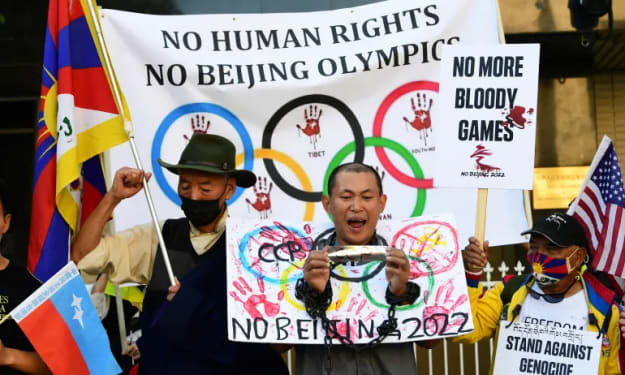
DIPLOMATIC BOYCOTTS AND THE IMPACT ON INTERNATIONAL RELATIONS
In the complex web of international relations, diplomatic boycotts have emerged as a potent tool for nations to express disapproval or condemnation without resorting to military or economic sanctions. Unlike full-scale embargoes or trade restrictions, diplomatic boycotts are symbolic actions that involve the withdrawal or refusal to participate in specific diplomatic events or forums. While these actions might appear merely symbolic on the surface, their implications can ripple across bilateral and multilateral relationships, impacting alliances, trade, and global governance structures.
By Badhan Senabout a year ago in Gamers
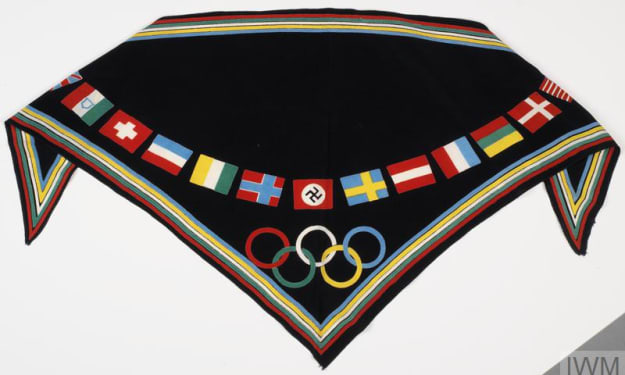
THE 1936 BERLIN OLYMPICS AS NAZI PROPAGANDA
The 1936 Berlin Olympics, officially known as the Games of the XI Olympiad, were a pivotal moment in both sports history and global politics. Hosted in Nazi Germany, these games were not only a showcase of athletic excellence but also served as a powerful propaganda tool for Adolf Hitler and the Nazi regime. By leveraging the global stage provided by the Olympics, the Nazis sought to project an image of strength, unity, and cultural superiority, while masking the regime’s oppressive policies and intentions.
By Badhan Senabout a year ago in Gamers
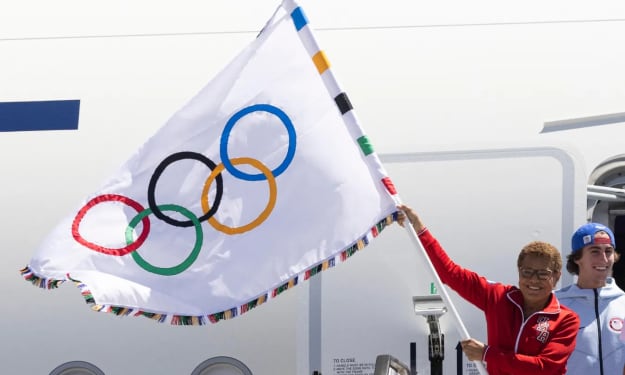
THE ROLE OF THE OLYMPICS IN BRIDGING POLITICAL TENSIONS
The Olympic Games are not merely a celebration of athletic excellence but also a potent symbol of unity in a fragmented world. Since their inception in ancient Greece, the Olympics have carried the ideals of peace, cooperation, and understanding among nations. In a world rife with political tensions, the Olympics often emerge as a platform for bridging divides and fostering dialogue, even among adversaries. While the Games cannot resolve deep-seated conflicts, they play a significant role in mitigating tensions and promoting a spirit of global solidarity.
By Badhan Senabout a year ago in Gamers
THE ROLE OF THE OLYMPICS IN INTERNATIONAL POLITICS
The Olympic Games have long been a symbol of global unity, sportsmanship, and international cooperation. However, they have also played a significant role in international politics, influencing the relationships between nations, shaping global identities, and reflecting the political dynamics of the time. The Olympic Games, held every four years, have not only showcased athletic excellence but have also served as a platform for countries to project power, engage in diplomatic struggles, and express political ideologies.
By Badhan Senabout a year ago in Gamers
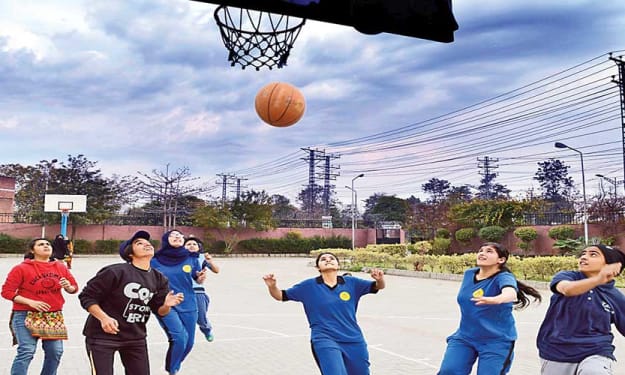
HOW YOUTH OLYMPIANS ARE SHAPING THE FUTURE OF SPORTS
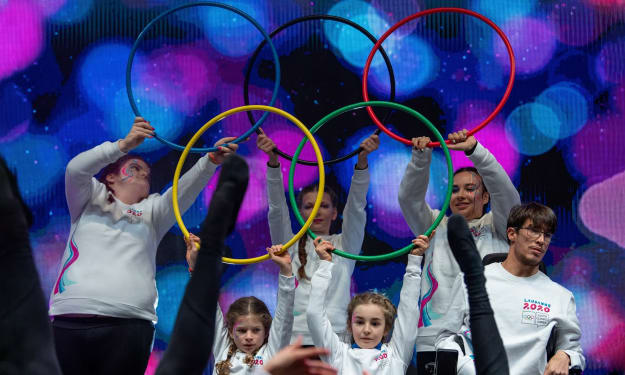
The Youth Olympic Games (YOG) have emerged as a significant force in the world of sports, providing young athletes with an unparalleled platform to showcase their talents and represent their nations. Since their inception in 2010, the YOG has focused on more than just athletic competition. It emphasizes the development of the future of sports, fostering a sense of global unity, inspiring the next generation, and giving young athletes the tools to become future leaders in sports. These young Olympians are not only influencing the sporting world but are also shaping the future of how sports are approached, played, and perceived.
By Badhan Senabout a year ago in Gamers
BUILDING A PATH FOR FUTURE OLYMPIANS:FROM YOUTH TO PROFESSIONAL
The journey to becoming an Olympic athlete is not an easy one. It is a path that requires hard work, dedication, support, and a systematic progression from youth to professional levels. From the early stages of childhood to competing on the grand stage of the Olympics, athletes need a clear pathway that helps them develop their skills, nurture their talents, and overcome challenges. In this article, we will explore how to build a successful path for future Olympians, focusing on the various stages of development, from youth programs to professional training.
By Badhan Senabout a year ago in Gamers
THE RELATIONSHIP BETWEEN COLLEGES AND OLYMPIC SPORTS DEVELOPMENT
The relationship between colleges and Olympic sports development is a complex but essential one, with colleges playing a crucial role in nurturing athletes who later compete on the global stage. This partnership spans multiple areas, including talent identification, athletic training, funding, and exposure. As institutions that combine academic learning with athletic development, colleges serve as key institutions in fostering athletes who may go on to represent their countries in the Olympics.
By Badhan Senabout a year ago in Gamers
HOW EARLY TRAINING IMPACTS OLYMPIC SUCCESS
The pathway to Olympic success is long and arduous, requiring years of dedication, discipline, and resilience. One of the key factors influencing an athlete's ability to reach the pinnacle of their sport is the timing and nature of their training. Early training is often seen as a critical component in shaping the careers of Olympic athletes. Research and historical examples highlight that starting training at a young age can provide numerous advantages, though it is not without its challenges. This essay explores the impact of early training on Olympic success, examining both the benefits and potential pitfalls associated with it.
By Badhan Senabout a year ago in Gamers
HOW YOUNG ATHLETES ARE CHANGING THE FACE OF THE OLYMPICS
The Olympics, a long-standing symbol of global athletic achievement, has seen a significant shift in recent years as young athletes are beginning to redefine the games in ways that were once unthinkable. Historically, the Olympic Games have been dominated by seasoned athletes in their 20s or even 30s, but a new wave of younger competitors is reshaping the dynamics of the event. From breaking records to altering the nature of competition itself, young athletes are bringing fresh energy, innovation, and diversity to the world’s most prestigious sporting platform.
By Badhan Senabout a year ago in Gamers
THE ROLE OF THE YOUTH OLYMPIC GAMES IN DEVELOPING FUTURE OLYMPICS
The Youth Olympic Games (YOG) play a pivotal role in nurturing the next generation of Olympic athletes, providing them with unique opportunities for development both on and off the field. As a relatively new addition to the Olympic movement, the Youth Olympic Games, first held in 2010, have become a key platform for young athletes from across the globe to showcase their talents, experience the Olympic spirit, and learn important life skills that are essential for their progression to the senior levels of the sport. The role of the YOG in shaping future Olympians extends beyond athletic performance, encompassing the social, cultural, and educational development that prepares young athletes for the rigors and demands of the Olympic Games and professional sports.
By Badhan Senabout a year ago in Gamers
THE INTRODUCTION OF NEW SPORTS FOR YOUNG ATHLETES IN THE OLYMPICS
The Olympic Games, a global celebration of athleticism, tradition, and cultural unity, have evolved significantly since their inception in ancient Greece. With each iteration, the Olympics not only preserve their historic legacy but also strive to reflect the changing dynamics of sports, society, and youth culture. One of the most noticeable trends in recent years is the introduction of new sports, particularly those that appeal to younger generations. By incorporating innovative disciplines like skateboarding, surfing, and sport climbing, the Olympics are creating new opportunities for young athletes, enhancing the Games’ relevance, and broadening their appeal to a global audience.
By Badhan Senabout a year ago in Gamers
THE RISE OF YOUTH ATHLETES IN THE OLYMPICS:NEW FACES OF THE GAMES
The Olympic Games have always been a stage where history is written, and legends are born. In recent years, however, a striking trend has emerged: the rise of youth athletes who are not only participating but also excelling on this global platform. These young competitors, often teenagers or even pre-teens, are redefining the Games with their fresh energy, fearless performances, and inspiring stories. Their presence reflects broader societal changes and advancements in sports science, and their success signifies a shift in the narrative of what it means to compete on the world’s grandest athletic stage.
By Badhan Senabout a year ago in Gamers