
BUILDING A PATH FOR FUTURE OLYMPIANS:FROM YOUTH TO PROFESSIONAL
Building a Path for Future Olympians:Nurturing Talent from Youth to Professional.

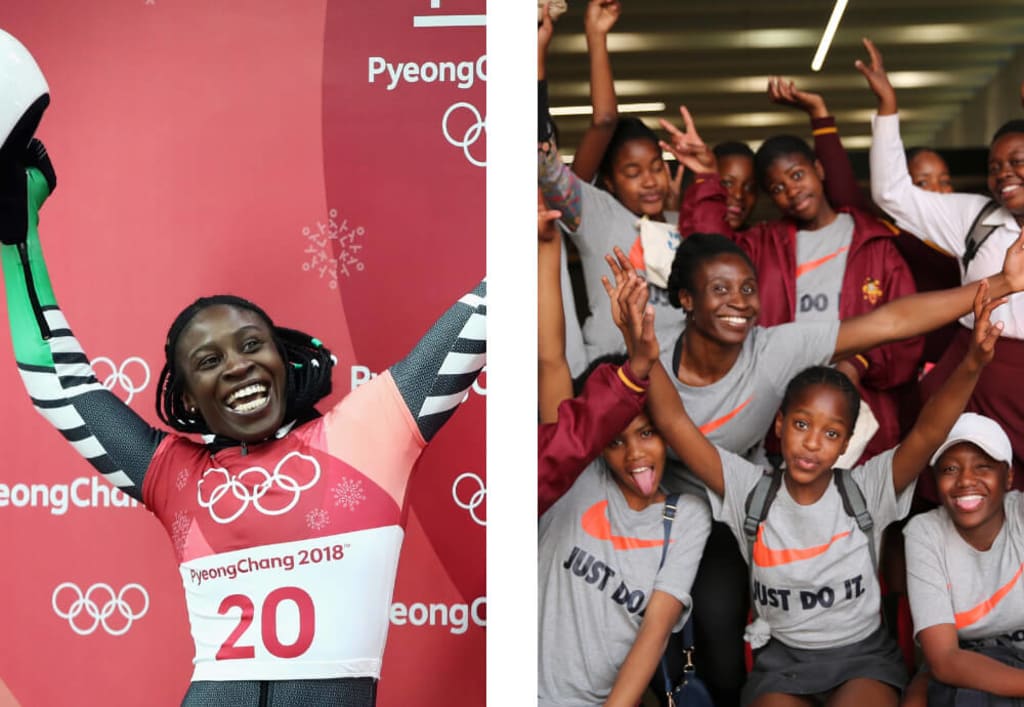
The journey to becoming an Olympic athlete is not an easy one. It is a path that requires hard work, dedication, support, and a systematic progression from youth to professional levels. From the early stages of childhood to competing on the grand stage of the Olympics, athletes need a clear pathway that helps them develop their skills, nurture their talents, and overcome challenges. In this article, we will explore how to build a successful path for future Olympians, focusing on the various stages of development, from youth programs to professional training.
Early Beginnings: Introducing Sports to Children
The foundation of any future Olympian starts in childhood. Early exposure to sports is crucial in helping children discover their passions and talents. Local communities, schools, and sports clubs play a significant role in providing opportunities for children to engage in various athletic activities. From simple games like running and jumping to more structured team sports such as soccer, basketball, or swimming, the key is to foster a love for physical activity.
During these early years, the emphasis should be on fun, learning, and skill development rather than intense competition. When children enjoy their participation in sports, they are more likely to stay active and continue pursuing athletic endeavors. This stage is about nurturing an athlete’s curiosity and introducing them to the basic skills of movement, coordination, and teamwork.
Skill Development: Fostering Talent in Adolescence
Once a child shows an interest in a particular sport, the next step is to focus on developing specific skills. This is where specialized training and coaching come into play. As children reach adolescence, their bodies are capable of handling more rigorous training, and they can begin to refine the techniques required for their chosen sport.
At this stage, young athletes should have access to qualified coaches who can provide tailored training programs, helping them improve their strengths and address their weaknesses. Coaches can guide athletes in enhancing their technical skills, endurance, flexibility, and strength, while also teaching them the importance of discipline, perseverance, and mental toughness.
Participation in competitive events at the local, regional, or national level is also essential at this point. These competitions give young athletes a chance to gain experience, learn how to perform under pressure, and set benchmarks for improvement. It is also during these years that athletes begin to identify their potential for success in their chosen sport, possibly even setting their sights on elite competitions such as the World Championships or continental tournaments.
The Transition to Professional Training: Focused Commitment
As athletes approach their late teens or early twenties, they must transition from being talented youth players to serious, professional competitors. This stage requires a significant shift in commitment, both physically and mentally. At this level, athletes are expected to train full-time or at least significantly increase the intensity and volume of their training.
The support system becomes even more crucial at this stage. Athletes need to be surrounded by a team of professionals that includes elite coaches, nutritionists, physiotherapists, and sports psychologists. Comprehensive training that focuses on performance optimization, injury prevention, and recovery is critical to keeping athletes at their peak. Additionally, psychological support helps athletes handle the immense pressure that comes with competing at high levels, fostering mental resilience and focus.
In parallel, athletes must start to participate in high-level competitions that mimic the conditions of the Olympic Games. These competitions may include international events, qualifying rounds, or regional championships. Such opportunities help athletes gain experience against some of the best competitors in the world and prepare them for the challenges they will face on the Olympic stage.
Elite Training: Preparing for the Olympics
Once an athlete qualifies for the Olympic trials or secures a spot in their country’s Olympic team, the final stage of their preparation begins. The Olympic journey demands the highest levels of physical conditioning, technical precision, and psychological readiness. Olympians often enter specialized training camps where every aspect of their performance is scrutinized and refined.
At this level, athletes undergo a meticulous approach to their training that focuses on peak performance. Every training session, every meal, and every recovery session is designed with the goal of performing at the absolute highest level. Additionally, the mental aspect of the sport becomes increasingly important. Athletes undergo intense mental conditioning to handle stress, anxiety, and the expectations of performing on the world’s most prestigious stage.
Post-Olympic Support: Long-Term Athlete Development
While the Olympics represent the culmination of years of hard work and preparation, the journey of an Olympian does not end there. Athletes must continue to manage their careers post-Olympics, whether that involves continuing to compete in future events, transitioning to coaching or other roles, or leveraging their success to inspire and mentor the next generation of athletes.
Ongoing support systems, including career development programs and access to post-competition training, are essential for helping Olympians manage life after the Games. This ensures that athletes can transition smoothly from their peak competitive years and maintain a fulfilling and successful post-Olympic career.
In The End
Building a path for future Olympians is a complex but rewarding endeavor. From the early stages of childhood sports participation to professional training and Olympic preparation, each step is vital for developing the skills, mindset, and resilience needed to succeed. By providing structured programs, expert coaching, and ample competition opportunities, we can create an environment where young athletes can rise to the challenges of elite sports and, ultimately, represent their countries on the Olympic stage. Through hard work, passion, and dedication, the future of the Olympic Games will continue to be shaped by new champions who will inspire generations to come.
About the Creator
Badhan Sen
Myself Badhan, I am a professional writer.I like to share some stories with my friends.
Keep reading
More stories from Badhan Sen and writers in Gamers and other communities.
NATIONAL YOUTH PROGRAMS AND THEIR ROLE IN PRODUCING OLYMPIC ATHLETES
The Olympic Games represent the pinnacle of athletic achievement, bringing together the world’s best competitors to showcase their skills and determination. Behind these remarkable performances lies years of rigorous training, dedication, and support. Central to this success is the role of national youth programs, which serve as the foundation for identifying and nurturing future Olympic champions. These programs play a critical role in talent identification, athlete development, and fostering a culture of excellence.
By Badhan Senabout a year ago in Gamers
U4gm Diamond Dynasty Red Diamond Cards: Which One Truly Dominates MLB The Show 26?
MLB The Show 26 has taken Diamond Dynasty to an entirely new level, and nothing has the community more excited than the ultra-rare Red Diamond cards. These cards aren’t just for collectors—they can completely change the outcome of Ranked Mode matches, turning a close game into a legendary comeback. But with so many options available, which Red Diamond cards truly stand out?
By Dangyc Dingabout 24 hours ago in Gamers
The Honed Ashlar, Part 2 of 5
Part 2: The Level and the Gavel The Chamber of Silence Silas awoke to silence, heavy, absolute. The air scrubbed of exhaust; smelling of cold stone, raw beeswax, and the metallic tang of a whetstone. He lay on a cot. Not a mission mat. Taut canvas stretched over a steel frame. Plumb. Level. The bolts tightened to a specific, unyielding torque. No sagging allowed.
By Nathan McAllister4 days ago in Gamers
Writing To Succeed
If you want to find something that will help readers find your writing, possibly expand your audience, and maybe even get you noticed for other things, then you’re not alone. But how can you get it done in a world full of want-to-be writers? Look less at what you’re writing now, and more at what other writers have used to boost their views and reads.
By Jason Ray Morton 5 days ago in Writers




Comments
There are no comments for this story
Be the first to respond and start the conversation.