
DIPLOMATIC BOYCOTTS AND THE IMPACT ON INTERNATIONAL RELATIONS
Exploring the Ripple Effect of Diplomatic Boycotts on Global Alliances and Cooperation.

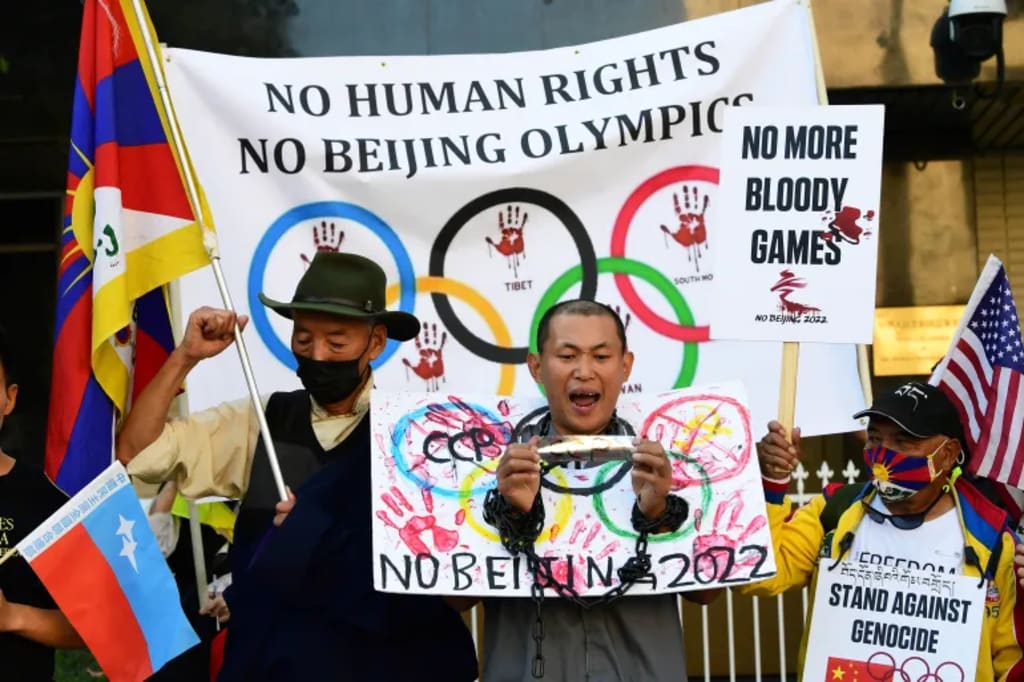
In the complex web of international relations, diplomatic boycotts have emerged as a potent tool for nations to express disapproval or condemnation without resorting to military or economic sanctions. Unlike full-scale embargoes or trade restrictions, diplomatic boycotts are symbolic actions that involve the withdrawal or refusal to participate in specific diplomatic events or forums. While these actions might appear merely symbolic on the surface, their implications can ripple across bilateral and multilateral relationships, impacting alliances, trade, and global governance structures.
The Nature of Diplomatic Boycotts
A diplomatic boycott occurs when a country decides not to send official representatives to an event, typically to protest the host nation’s policies, human rights record, or other contentious issues. For instance, the United States and several allies announced diplomatic boycotts of the 2022 Winter Olympics in Beijing, citing China’s human rights abuses in Xinjiang. Such boycotts aim to draw international attention to perceived injustices while stopping short of penalizing athletes or other non-governmental participants.
Instead, they serve as a public denunciation, signaling a nation’s stance on specific issues. This form of protest can tarnish the target country’s international reputation, especially when multiple nations join forces in a collective boycott.
Historical Precedents
Diplomatic boycotts are not a new phenomenon. One of the earliest notable instances occurred during the Cold War, when the United States boycotted the 1980 Moscow Olympics following the Soviet invasion of Afghanistan. Although this was a broader boycott that included athletes, it set a precedent for using international events as platforms for political messaging. Similarly, countries like South Africa faced diplomatic isolation during the apartheid era, with widespread boycotts contributing to the eventual dismantling of the regime.
These historical examples highlight the dual nature of diplomatic boycotts. On one hand, they can galvanize international opinion against perceived injustices. On the other, they can exacerbate tensions, pushing targeted nations further into isolation or closer to adversarial powers.
Diplomatic Boycotts in the Modern Era
In today’s interconnected world, the impact of diplomatic boycotts extends beyond the immediate parties involved. Modern diplomatic boycotts often occur in the context of global events, such as the Olympics or United Nations summits, where the absence of key players can influence the event’s legitimacy and outcomes.
For instance, the diplomatic boycotts of the Beijing Winter Olympics in 2022 highlighted a growing divide between Western democracies and authoritarian regimes. While the boycotts aimed to spotlight human rights abuses, they also deepened geopolitical rifts, with countries like Russia and China framing the boycotts as evidence of Western interference in sovereign affairs.
Such actions can also affect multilateral institutions. When influential nations abstain from participating in forums or events, it can undermine the collective decision-making process, leaving critical global issues unresolved. For example, boycotts of UN meetings by key players can stall progress on pressing matters such as climate change, global health, or conflict resolution.
Impacts on Bilateral Relations
On a bilateral level, diplomatic boycotts can strain relationships between the boycotting and targeted countries. The absence of dialogue and engagement can hinder efforts to address underlying disputes, creating a feedback loop of mistrust and hostility. For instance, China’s response to diplomatic boycotts often involves retaliatory measures, such as restricting trade or curbing cultural exchanges, which further deteriorate relations.
However, diplomatic boycotts can also serve as a wake-up call for targeted nations. By drawing attention to specific issues, they can pressure governments to reconsider or modify contentious policies. In some cases, the international attention generated by boycotts can empower domestic reform movements, amplifying calls for change from within.
Limitations and Criticisms
Despite their symbolic power, diplomatic boycotts face significant limitations. Critics argue that such actions are often more performative than substantive, with limited real-world impact. For example, while the boycotts of the Beijing Olympics garnered media attention, they did little to alter China’s policies in Xinjiang or other contested regions.
Additionally, diplomatic boycotts can backfire, particularly when they are perceived as unilateral or hypocritical. Countries accused of double standards may lose credibility, weakening their moral authority on the global stage. Furthermore, boycotts can alienate allies or neutral parties, complicating efforts to build coalitions for broader initiatives.
The Future of Diplomatic Boycotts
As global challenges grow increasingly complex, the role of diplomatic boycotts is likely to evolve. In an era of heightened public awareness, symbolic actions can resonate deeply with global audiences, influencing public opinion and shaping international discourse. However, for boycotts to be effective, they must be part of a broader strategy that includes dialogue, economic incentives, and multilateral cooperation.
The rise of social media and digital communication has also transformed the dynamics of diplomatic boycotts. Governments can now amplify their messages directly to global audiences, bypassing traditional media channels. This shift has made diplomatic boycotts more visible and impactful, but it has also increased the risk of polarization and misinformation.
In The End
Diplomatic boycotts are a double-edged sword in the realm of international relations. While they offer a non-violent means of expressing dissent and drawing attention to critical issues, their effectiveness often hinges on the broader geopolitical context and the willingness of nations to engage in constructive dialogue. As the world navigates an era of shifting power dynamics and complex challenges, the strategic use of diplomatic boycotts will remain a delicate balancing act, requiring careful consideration of both their symbolic and practical implications.
About the Creator
Badhan Sen
Myself Badhan, I am a professional writer.I like to share some stories with my friends.
Keep reading
More stories from Badhan Sen and writers in Gamers and other communities.
THE ROLE OF THE OLYMPIC GAMES IN PROMOTING PEACE
The Olympic Games, founded by the ancient Greeks in 776 BC, have evolved into one of the world's largest and most influential sporting events. Beyond celebrating athletic excellence, the Olympic Games serve a critical role in promoting peace, fostering international cooperation, and uniting people from different cultures, backgrounds, and nations. Through its core principles of Olympism, the Games are a platform for diplomacy, dialogue, and mutual understanding, contributing significantly to peacebuilding efforts around the world.
By Badhan Senabout a year ago in Gamers
My Top 25 NES Games
The Nintendo Entertainment System, or the Famicom in Japan, is the earliest console I have any direct experience of. We didn’t have a NES in our house when we were kids. I was a bit sniffy of it actually, viewing it as old-fashioned and before my time (I was born in 1984, between the Japanese and Western releases of the system). It was years later that I started to appreciate earlier games and hardware. I played the NES round friends’ houses and, eventually, well into adulthood, someone decided to get rid of theirs and now we had our own Family Computer.
By Daniel Tessier8 days ago in Gamers
Essential Golf Tips Every Beginner Needs to Improve Their Game
Golf is a rewarding sport that combines skill, patience, and strategy. For beginners, the game can feel challenging because it requires mastering several techniques at once. Many new golfers focus too much on hitting the ball far instead of learning the fundamentals that lead to consistent performance. Improvement comes from developing good habits early, practicing with purpose, and understanding how each part of the game works together. With the right approach and consistent effort, beginners can build confidence and steadily improve their performance on the course.
By Daniel Ladnerabout 21 hours ago in Gamers


Comments (1)
To me boycotts during the Games only hurt the athletes who were unable to compete in them and show their talents due to governmental issues. Great essay.